THE ADVENTURE COLLECTIVE® · Independent discovery and booking for outdoor travel

Float between Aswan and Luxor on a three-night Nile cruise, punctuated by temple visits, a sunrise hot-air balloon over Luxor, and overnight sleeper train travel to and from Cairo. This six-day itinerary combines river time with guided walks through some of Egypt’s most concentrated pharaonic sites.
Float between Aswan and Luxor on a three-night Nile cruise, punctuated by temple visits, a sunrise hot-air balloon over Luxor, and overnight sleeper train travel to and from Cairo. This six-day itinerary combines river time with guided walks through some of Egypt’s most concentrated pharaonic sites.
The first light over the Nile cuts a cool ribbon through warm air as the felucca-swept current dares you downstream. Onboard a three-night river cruise from Aswan to Luxor, mornings arrive with minarets and granite quays, while afternoons stretch out across palm-lined floodplains and low desert ridges.
Verified experiences and guided adventures in the surrounding area.
The first light over the Nile cuts a cool ribbon through warm air as the felucca-swept current dares you downstream. Onboard a three-night river cruise from Aswan to Luxor, mornings arrive with minarets and granite quays, while afternoons stretch out across palm-lined floodplains and low desert ridges.
This corridor of Egypt packs millennia into short distances: Aswan’s pink granite quarries and Philae’s island temple tell stories of Nubian kings and Roman governors, while Edfu and Kom Ombo preserve Ptolemaic inscriptions and dual-temple layouts. Geologically, the river carves between crystalline rock in the south and soft sandstone temples around Luxor—each site a clear marker of shifting Nile dynamics and human settlement.
Culturally, expect market bartering, Nubian villages painted in bright blues, and the practiced choreography of tour guides at temple thresholds. A sunrise hot-air balloon over Luxor’s West Bank offers a slow, panoramic arresting view of valleys and mortuary complexes; the sleeping train from Cairo bookends the trip with overnight transit that saves daylight for temples.
Practically: plan for strong sun, dusty winds, and daily walks of 1–3 miles over uneven stone. Carry a refillable water bottle, wear closed-toe walking shoes with good grip, and book the balloon early—weather can cancel flights. Travel light on the boat but bring layers for cool mornings and evenings. Respect restricted areas at archaeological sites, hire licensed guides when possible, and time temple visits for early morning or late afternoon to avoid peak heat and crowds.
moderate.
6 days.
Suitable for travelers with moderate fitness able to manage daily 1–3 mile walks on uneven terrain and steps; heat tolerance helpful.
Yes—balloon flights are limited and often operate at sunrise; book in advance and have a flexible morning in case of weather cancellations.
Overnight trains typically run about 9–12 hours depending on service and schedule; sleeper berths provide basic overnight comfort but vary by operator.
Most major temples (Philae, Kom Ombo, Edfu, Karnak, Luxor) are reached within short coach transfers from cruise docks; expect guided walks at each stop.
Yes—river cruises are routine and safe for solo travelers, though standard precautions (secure valuables, use licensed guides) apply and single supplements may cost extra.
The Aswan–Luxor corridor preserves continuous human occupation from Upper Egyptian kingdoms through Ptolemaic and Roman periods, reflected in temples, quarries, and funerary landscapes.
Tourism pressure and fluctuating Nile levels affect fragile temple facades and local wetlands; use licensed guides, avoid touching reliefs, and choose operators that support site conservation.
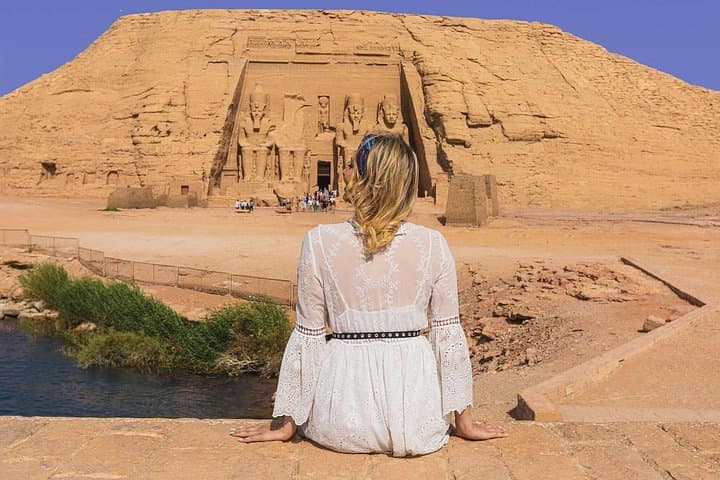
The first light over the Nile cuts a cool ribbon through warm air as the felucca-swept current dares you downstream. Onboard a three-night river cruise from Aswan to Luxor, mornings arrive with minarets and granite quays, while afternoons stretch out across palm-lined floodplains and low desert ridges.
The first light over the Nile cuts a cool ribbon through warm air as the felucca-swept current dares you downstream. Onboard a three-night river cruise from Aswan to Luxor, mornings arrive with minarets and granite quays, while afternoons stretch out across palm-lined floodplains and low desert ridges.
This corridor of Egypt packs millennia into short distances: Aswan’s pink granite quarries and Philae’s island temple tell stories of Nubian kings and Roman governors, while Edfu and Kom Ombo preserve Ptolemaic inscriptions and dual-temple layouts. Geologically, the river carves between crystalline rock in the south and soft sandstone temples around Luxor—each site a clear marker of shifting Nile dynamics and human settlement.
Culturally, expect market bartering, Nubian villages painted in bright blues, and the practiced choreography of tour guides at temple thresholds. A sunrise hot-air balloon over Luxor’s West Bank offers a slow, panoramic arresting view of valleys and mortuary complexes; the sleeping train from Cairo bookends the trip with overnight transit that saves daylight for temples.
Practically: plan for strong sun, dusty winds, and daily walks of 1–3 miles over uneven stone. Carry a refillable water bottle, wear closed-toe walking shoes with good grip, and book the balloon early—weather can cancel flights. Travel light on the boat but bring layers for cool mornings and evenings. Respect restricted areas at archaeological sites, hire licensed guides when possible, and time temple visits for early morning or late afternoon to avoid peak heat and crowds.