THE ADVENTURE COLLECTIVE® · Independent discovery and booking for outdoor travel

Cover iconic Philae, Nubian villages, Abu Simbel and Luxor in a focused three-day overland route. Expect early starts, long drives, and guided walks through some of Egypt’s most remarkable temple complexes.
Cover iconic Philae, Nubian villages, Abu Simbel and Luxor in a focused three-day overland route. Expect early starts, long drives, and guided walks through some of Egypt’s most remarkable temple complexes.
Dawn breaks over the Nile as your convoy slips out of Aswan—cool air brushing past the vehicle windows, the river pushing the boat traffic into neat lines. In three days you move through ancient stone and modern engineering: island temples, painted Nubian houses, colossal rock-cut sanctuaries and vast temple courts where columns tower like an ordered forest.
Verified experiences and guided adventures in the surrounding area.
Operated by Wow Travel Egypt · Aswan, Aswan Governorate
Dawn breaks over the Nile as your convoy slips out of Aswan—cool air brushing past the vehicle windows, the river pushing the boat traffic into neat lines. In three days you move through ancient stone and modern engineering: island temples, painted Nubian houses, colossal rock-cut sanctuaries and vast temple courts where columns tower like an ordered forest.
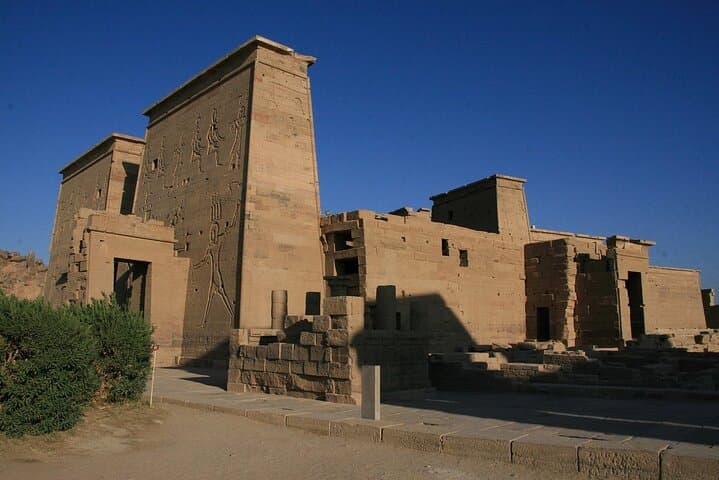
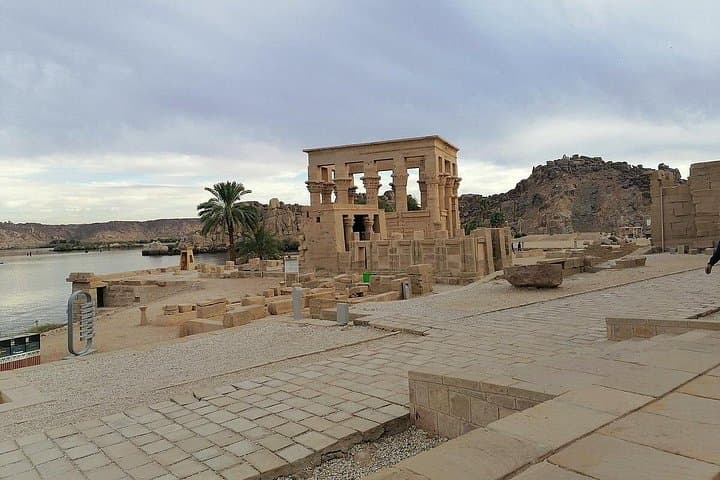
Philae sits on its island like a recovered chapter of history, moved stone by stone when the High Dam raised Lake Nasser. The Nubian village offers bright geometric houses, herbal stalls and direct encounters with riverine life; locals will invite you to sip tea and explain family crafts. Abu Simbel is an architectural showpiece and a modern engineering story—the temples were dismantled and rebuilt higher when the reservoir rose, now staring down the desert in the sunrise. Luxor’s West Bank tombs and Karnak’s Hypostyle Hall trace millennia of additions, each pharaoh leaving a shifted line in the complex’s plan.
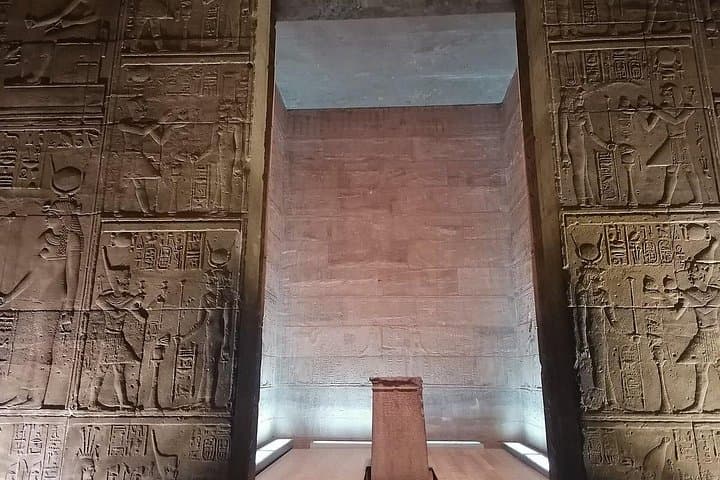
Practical guidance: expect long road segments (Aswan–Abu Simbel ≈3 hours each way) with an early pickup for the sunrise at Abu Simbel. Bring layered sun protection and a refillable water bottle; many sites require walking on uneven stone and steps. Guides will explain the hieroglyphs and context, but note some tombs have extra-entry fees and photography restrictions. Travel light for transfers by air-conditioned vehicle and prepare for full days of walking between shaded courtyards and open desert light.
easy.
3 days.
Suitable for travelers who can walk for 1–3 hours at a time on uneven surfaces and climb steps; not strenuous but expect full days.
Most travelers need a visa—check your nationality-specific requirements and arrange a visa before travel or on arrival where applicable.
The tour includes many admissions and a first-class train ticket from Aswan to Luxor; specialty tombs like Tutankhamun may require direct payment on site.
Yes—this private tour is labelled physically easy, but participants should be able to manage stairs and uneven ground; inform the operator of mobility needs.
Pickups for Abu Simbel typically begin around 04:00–04:15 to reach the temple by sunrise; expect a long day with 3 hours driving each way.
The route links sites moved or reshaped by the 20th-century High Dam and ancient projects alike—Abu Simbel was relocated to save it from Lake Nasser, while Karnak grew over 1,000 years under successive pharaohs.
Tourism pressure and water-level changes affect these sites; follow path restrictions, avoid touching reliefs, and support local conservation initiatives through responsible spending.
Wow Travel Egypt operates guided outdoor trips and adventures with an emphasis on safety, stewardship, and memorable experiences.
Dawn breaks over the Nile as your convoy slips out of Aswan—cool air brushing past the vehicle windows, the river pushing the boat traffic into neat lines. In three days you move through ancient stone and modern engineering: island temples, painted Nubian houses, colossal rock-cut sanctuaries and vast temple courts where columns tower like an ordered forest.
Dawn breaks over the Nile as your convoy slips out of Aswan—cool air brushing past the vehicle windows, the river pushing the boat traffic into neat lines. In three days you move through ancient stone and modern engineering: island temples, painted Nubian houses, colossal rock-cut sanctuaries and vast temple courts where columns tower like an ordered forest.
Philae sits on its island like a recovered chapter of history, moved stone by stone when the High Dam raised Lake Nasser. The Nubian village offers bright geometric houses, herbal stalls and direct encounters with riverine life; locals will invite you to sip tea and explain family crafts. Abu Simbel is an architectural showpiece and a modern engineering story—the temples were dismantled and rebuilt higher when the reservoir rose, now staring down the desert in the sunrise. Luxor’s West Bank tombs and Karnak’s Hypostyle Hall trace millennia of additions, each pharaoh leaving a shifted line in the complex’s plan.
Practical guidance: expect long road segments (Aswan–Abu Simbel ≈3 hours each way) with an early pickup for the sunrise at Abu Simbel. Bring layered sun protection and a refillable water bottle; many sites require walking on uneven stone and steps. Guides will explain the hieroglyphs and context, but note some tombs have extra-entry fees and photography restrictions. Travel light for transfers by air-conditioned vehicle and prepare for full days of walking between shaded courtyards and open desert light.