THE ADVENTURE COLLECTIVE® · Independent discovery and booking for outdoor travel

Trace the Nile from Aswan to Luxor on a multi-day circuit of temples, an overnight felucca sail, and a sunrise visit to Abu Simbel. This guided trip combines first-class trains, local meals and hands-on cultural encounters for an efficient, immersive Nile experience.
Trace the Nile from Aswan to Luxor on a multi-day circuit of temples, an overnight felucca sail, and a sunrise visit to Abu Simbel. This guided trip combines first-class trains, local meals and hands-on cultural encounters for an efficient, immersive Nile experience.
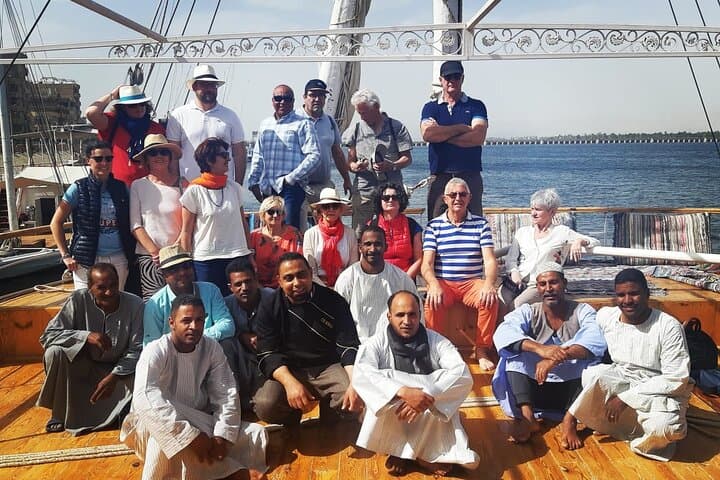
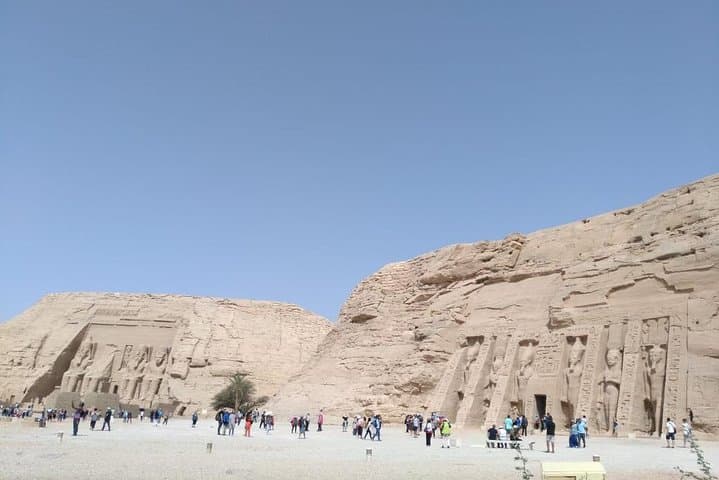
Dawn in Aswan strips the horizon to raw ochre and the Nile dares you to follow. You step off a first-class overnight train into warm air, the river already a ribbon of light where feluccas rock gently against palm-lined shores. Over six days this itinerary moves between carved rock faces and slow-water life: Philae’s island temple, the massive shadow of the Aswan High Dam, the monumental façade of Abu Simbel at sunrise, and the layered pylons of Karnak and Luxor.
Verified experiences and guided adventures in the surrounding area.
Operated by Special trips · Aswan, Aswan Governorate
Dawn in Aswan strips the horizon to raw ochre and the Nile dares you to follow. You step off a first-class overnight train into warm air, the river already a ribbon of light where feluccas rock gently against palm-lined shores. Over six days this itinerary moves between carved rock faces and slow-water life: Philae’s island temple, the massive shadow of the Aswan High Dam, the monumental façade of Abu Simbel at sunrise, and the layered pylons of Karnak and Luxor.
These sites span Egypt’s New Kingdom power and modern engineering—Ramses II’s temples literally relocated in the 1960s to save them from Lake Nasser. Geologically the Nile here carves soft sandstone and exposed granite, creating islands and shallow banks where villages cling to the water. Nubian culture remains visible in colorful houses, distinctive pottery and storytelling over tea aboard the felucca.
Expect long days of walking on uneven stone, short motorboat transfers, and slow sailing where the current pushes you downstream and the wind sets the pace. Distances are modest—temple complexes are compact but dense with steps and rock-cut tombs—while the overland ride to Abu Simbel is an early, three-hour transfer each way from Aswan.
Practical edge: pack sun protection, sturdy closed-toe shoes, and a small daypack for water and documentation; carry local cash for market stops. Travel light on the felucca and plan shore time for swimming at Barbar and photography at golden hour. With an Egyptology guide and included first-class train tickets and transfers, this trip balances cultural immersion with practical logistics—bring energy, respect for archaeological sites, and curiosity.
moderate.
6 days.
Suitable for travelers in average physical condition who can walk several hours a day, manage stairs and board small boats.
Yes—this tour includes an expert Egyptology guide who explains temple contexts, tomb symbolism and local history throughout the itinerary.
Yes—Abu Simbel is reached via an early road transfer from Aswan (roughly 3 hours each way); expect sunrise visits to avoid midday heat.
Pack light for the felucca—soft-sided bags are easiest; large hard suitcases may be stored in hotels or on support vehicles between legs.
Most breakfasts, one typical Egyptian lunch in Luxor, one night felucca meals and return first-class train tickets are included as listed in the itinerary.
The tour links New Kingdom royal monuments—like Ramses II’s Abu Simbel—and modern interventions such as the 1960s relocation of Philae temple ahead of Lake Nasser’s creation.
Tourism pressure and water level changes affect riverbank habitats; avoid littering, follow guides’ site rules, and consider supporting local community-run crafts to help sustain the area.
Special trips operates guided outdoor trips and adventures with an emphasis on safety, stewardship, and memorable experiences.
Dawn in Aswan strips the horizon to raw ochre and the Nile dares you to follow. You step off a first-class overnight train into warm air, the river already a ribbon of light where feluccas rock gently against palm-lined shores. Over six days this itinerary moves between carved rock faces and slow-water life: Philae’s island temple, the massive shadow of the Aswan High Dam, the monumental façade of Abu Simbel at sunrise, and the layered pylons of Karnak and Luxor.
Dawn in Aswan strips the horizon to raw ochre and the Nile dares you to follow. You step off a first-class overnight train into warm air, the river already a ribbon of light where feluccas rock gently against palm-lined shores. Over six days this itinerary moves between carved rock faces and slow-water life: Philae’s island temple, the massive shadow of the Aswan High Dam, the monumental façade of Abu Simbel at sunrise, and the layered pylons of Karnak and Luxor.
These sites span Egypt’s New Kingdom power and modern engineering—Ramses II’s temples literally relocated in the 1960s to save them from Lake Nasser. Geologically the Nile here carves soft sandstone and exposed granite, creating islands and shallow banks where villages cling to the water. Nubian culture remains visible in colorful houses, distinctive pottery and storytelling over tea aboard the felucca.
Expect long days of walking on uneven stone, short motorboat transfers, and slow sailing where the current pushes you downstream and the wind sets the pace. Distances are modest—temple complexes are compact but dense with steps and rock-cut tombs—while the overland ride to Abu Simbel is an early, three-hour transfer each way from Aswan.
Practical edge: pack sun protection, sturdy closed-toe shoes, and a small daypack for water and documentation; carry local cash for market stops. Travel light on the felucca and plan shore time for swimming at Barbar and photography at golden hour. With an Egyptology guide and included first-class train tickets and transfers, this trip balances cultural immersion with practical logistics—bring energy, respect for archaeological sites, and curiosity.