THE ADVENTURE COLLECTIVE® · Independent discovery and booking for outdoor travel

Sail from Aswan to Luxor on a 3-night Nile cruise that pairs deluxe onboard comfort with world-class ancient sites — including an early-morning excursion to Abu Simbel. Expect long but rewarding transfers, short temple walks with steps, and quiet river time between archaeological highlights.
Sail from Aswan to Luxor on a 3-night Nile cruise that pairs deluxe onboard comfort with world-class ancient sites — including an early-morning excursion to Abu Simbel. Expect long but rewarding transfers, short temple walks with steps, and quiet river time between archaeological highlights.
Dawn breaks over the Nile and the cruise wakes like a slow-moving village: deck chairs scrape, gulls call, and the river slips past date palms and low, ochre cliffs. You’ll board in Aswan, where the wide waterway feels placid but purposeful — the current that built civilizations still presses you forward.
Verified experiences and guided adventures in the surrounding area.
Operated by Travel Guide Egypt · Aswan, Aswan Governorate
Dawn breaks over the Nile and the cruise wakes like a slow-moving village: deck chairs scrape, gulls call, and the river slips past date palms and low, ochre cliffs. You’ll board in Aswan, where the wide waterway feels placid but purposeful — the current that built civilizations still presses you forward.
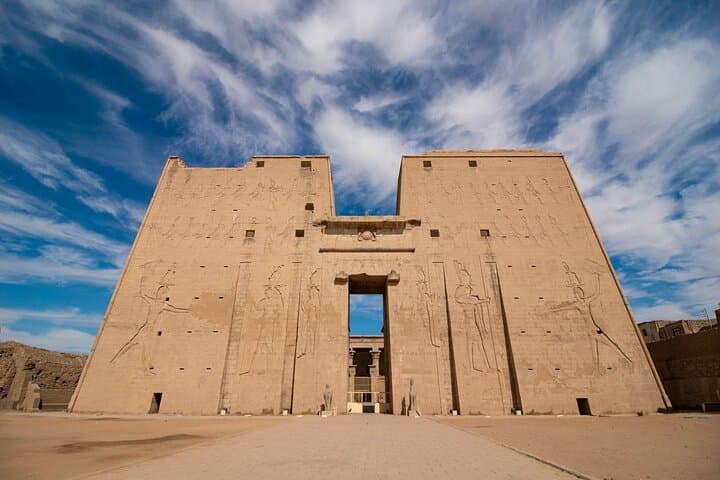
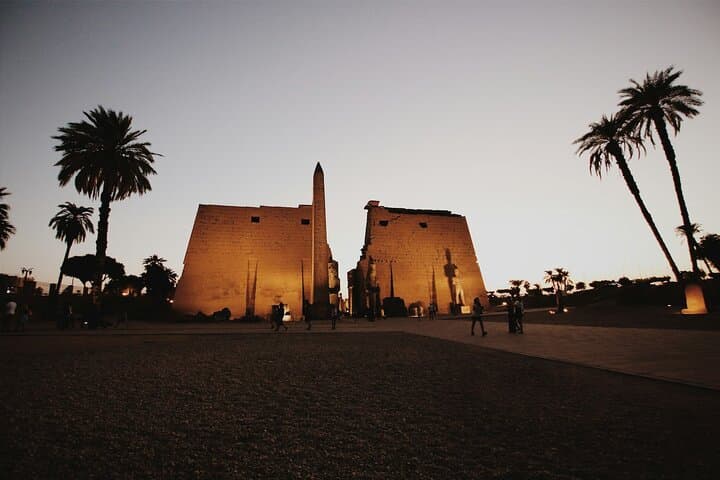
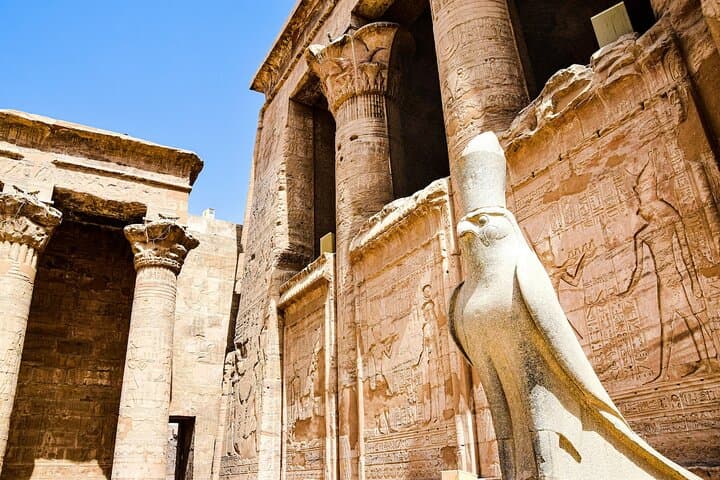
This four-day itinerary threads Egypt’s Pharaonic core: Philae’s island temple to Isis, the colossal twin temples of Abu Simbel relocated to outwit Lake Nasser, the crocodile-lined Kom Ombo, the well-preserved Temple of Horus at Edfu, and Luxor’s Karnak and Valley of the Kings. Geology here is simple and stark — Nile silt on fertile strips, and sandstone and limestone cliffs that provided the raw blocks for the monuments. Culturally, expect living layers: Nubian villages and modern markets sit in the long shadow of millennia of temple-building.
Practically, the Abu Simbel visit is an early, long transfer (roughly 3–4 hours round-trip by road from Aswan depending on route and traffic), while most temple walks are short but include steps and uneven stone. Bring sun protection, a refillable bottle, and comfortable soles for cobbles and sand.
Timing matters: early starts beat heat and crowds; Esna Lock is a gentle reminder that the Nile cruise is both transport and accommodation. Respect photography rules inside tombs, plan modest tipping for guides and crew, and allow quiet pockets of time on deck — the river moves slowly, but the sites will demand your full attention.
easy.
4 days.
Suitable for travelers in average condition; involves multiple short walks, stairs, and boarding the cruise ship.
Expect approximately 3–4 hours round-trip by road depending on timing and route; many operators schedule a very early departure to maximize time at the temples.
Most major temple admissions listed in the itinerary are included, but confirm specific entrance tickets for special chambers or optional activities when booking.
The cruise itself is accessible at deck level, but many temples and tombs involve steps and uneven surfaces; notify the operator in advance to arrange assistance where possible.
Carry small Egyptian pounds for market purchases and tips; customary tipping for guides and crew is expected—budget a modest daily amount per traveler.
Abu Simbel’s temples were moved in the 1960s to avoid submersion by Lake Nasser, an engineering effort that saved key monuments from the High Dam’s reservoir.
High visitor numbers can stress ancient sites—follow site rules, avoid flash photography in tombs, and use refillable bottles to reduce plastic waste.
Travel Guide Egypt operates guided outdoor trips and adventures with an emphasis on safety, stewardship, and memorable experiences.

Dawn breaks over the Nile and the cruise wakes like a slow-moving village: deck chairs scrape, gulls call, and the river slips past date palms and low, ochre cliffs. You’ll board in Aswan, where the wide waterway feels placid but purposeful — the current that built civilizations still presses you forward.
Dawn breaks over the Nile and the cruise wakes like a slow-moving village: deck chairs scrape, gulls call, and the river slips past date palms and low, ochre cliffs. You’ll board in Aswan, where the wide waterway feels placid but purposeful — the current that built civilizations still presses you forward.
This four-day itinerary threads Egypt’s Pharaonic core: Philae’s island temple to Isis, the colossal twin temples of Abu Simbel relocated to outwit Lake Nasser, the crocodile-lined Kom Ombo, the well-preserved Temple of Horus at Edfu, and Luxor’s Karnak and Valley of the Kings. Geology here is simple and stark — Nile silt on fertile strips, and sandstone and limestone cliffs that provided the raw blocks for the monuments. Culturally, expect living layers: Nubian villages and modern markets sit in the long shadow of millennia of temple-building.
Practically, the Abu Simbel visit is an early, long transfer (roughly 3–4 hours round-trip by road from Aswan depending on route and traffic), while most temple walks are short but include steps and uneven stone. Bring sun protection, a refillable bottle, and comfortable soles for cobbles and sand.
Timing matters: early starts beat heat and crowds; Esna Lock is a gentle reminder that the Nile cruise is both transport and accommodation. Respect photography rules inside tombs, plan modest tipping for guides and crew, and allow quiet pockets of time on deck — the river moves slowly, but the sites will demand your full attention.