THE ADVENTURE COLLECTIVE® · Independent discovery and booking for outdoor travel

A three-night, four-day Nile cruise from Aswan to Luxor that pairs relaxed river travel with guided visits to Philae, Kom Ombo, Edfu and Luxor’s temple complexes. Ideal for travelers who want concentrated history with light daily walking and river-side comfort.
A three-night, four-day Nile cruise from Aswan to Luxor that pairs relaxed river travel with guided visits to Philae, Kom Ombo, Edfu and Luxor’s temple complexes. Ideal for travelers who want concentrated history with light daily walking and river-side comfort.
You step onto the ship as the Nile draws a slow line through ochre cliffs and palm groves, the river itself nudging the hull with steady patience.
Verified experiences and guided adventures in the surrounding area.
Operated by Nile Prince Travel · Aswan, Aswan Governorate
You step onto the ship as the Nile draws a slow line through ochre cliffs and palm groves, the river itself nudging the hull with steady patience.
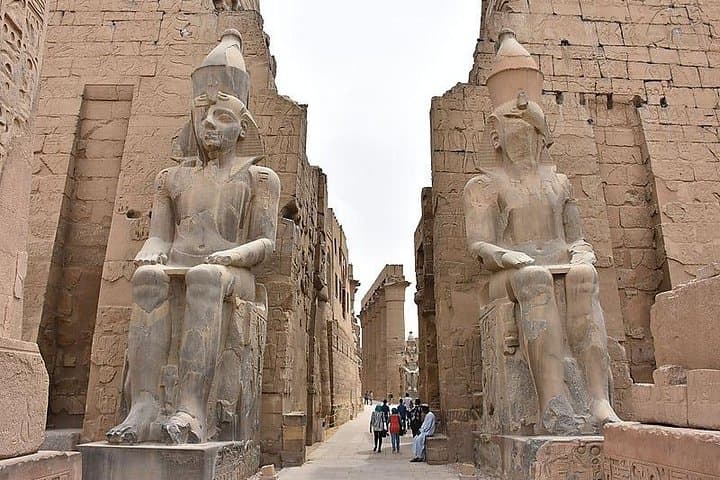
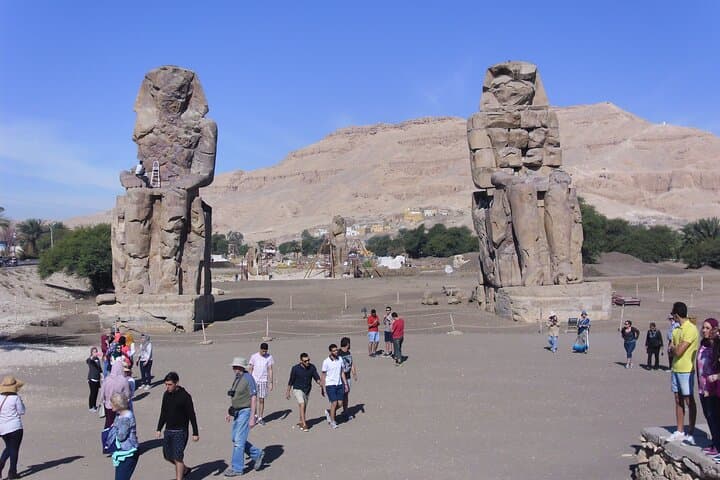
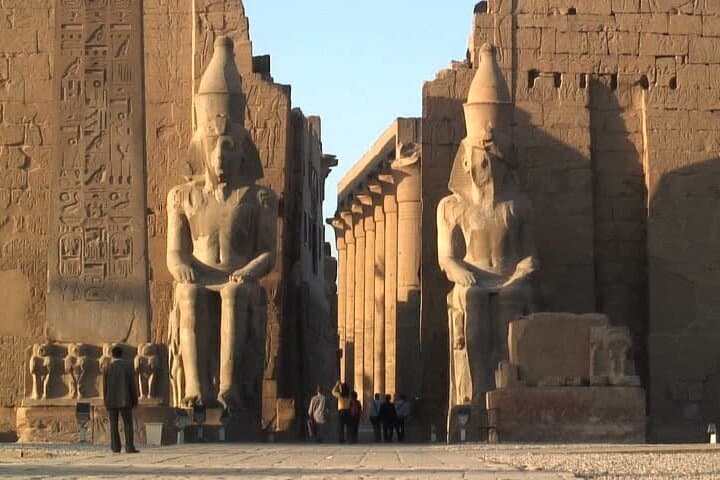
This 3-night, 4-day cruise between Aswan and Luxor threads you past Philae’s island shrine, the engineering sweep of the High Dam, Kom Ombo’s twin-god colonnades, the well-preserved Ptolemaic inscriptions at Edfu, and finally the monumental complexes around Luxor — Karnak, Luxor Temple and the Valley of the Kings.
Geology here is plain: the Nile’s annual floods deposited the silt plains while nearby sandstone and limestone cliffs provided the raw blocks for New Kingdom builders. Culturally, the route crosses millennia — Nubian villages and modern river commerce sit alongside temples built to Horus, Isis and Amun. Guides trained in Egyptology unpack funerary beliefs and the politics of Ptolemaic and Roman restorations at each stop.
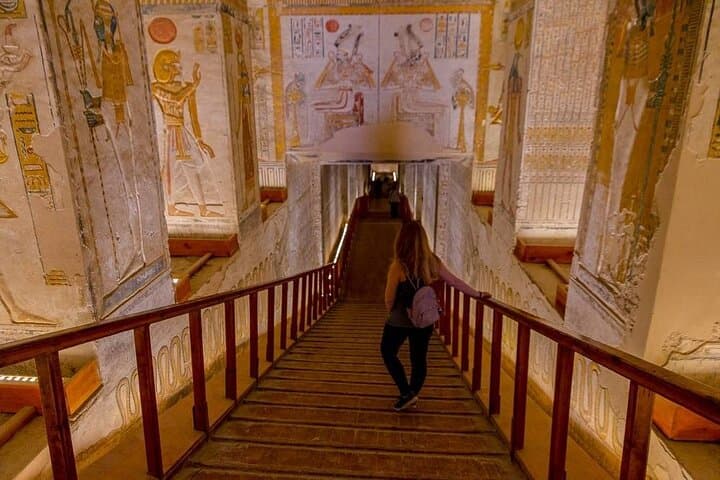
Practical guidance: the cruise covers roughly 240 km (150 miles) of river travel with short motorboat transfers to islands and shore. Expect guided walks of 1–2 hours at most major sites, uneven stone and steps, and tight tomb corridors in the Valley of the Kings. Mornings and late afternoons are best for cooler light and fewer crowds. Bring sun protection, a reusable water bottle, and small local cash for tips and souvenirs.
On deck the Nile feels like a companion — patient, deliberate, carrying history downstream. The trip is low on technical demand but rich in walking, shade breaks and moments when the past insists on being noticed.
easy.
3–4 days.
Light walking fitness—able to handle 1–2 hour site walks, stairs, and short motorboat transfers.
The river segment covers roughly 240 km (about 150 miles) and is scheduled over 3 nights and 4 days with several guided stops along the way.
The itinerary states an Egyptology tour guide and all listed site visits are included—confirm specifics at booking for any optional or upgraded entries.
Many areas are accessible and the provider lists wheelchair-accessible transport, but temple sites can have steps and uneven ground; check individual site access in advance.
October–April provides the most comfortable temperatures; spring and fall balance weather and crowd levels, while winter evenings are cooler on deck.
This corridor linked Upper Egypt’s ancient capitals; temples along the route reflect continuous worship and building from the New Kingdom through Ptolemaic and Roman eras.
River tourism can strain water and waste systems; choose operators that limit single-use plastics and follow local guidelines to protect fragile temples and riverbanks.
Nile Prince Travel operates guided outdoor trips and adventures with an emphasis on safety, stewardship, and memorable experiences.
You step onto the ship as the Nile draws a slow line through ochre cliffs and palm groves, the river itself nudging the hull with steady patience.
You step onto the ship as the Nile draws a slow line through ochre cliffs and palm groves, the river itself nudging the hull with steady patience.
This 3-night, 4-day cruise between Aswan and Luxor threads you past Philae’s island shrine, the engineering sweep of the High Dam, Kom Ombo’s twin-god colonnades, the well-preserved Ptolemaic inscriptions at Edfu, and finally the monumental complexes around Luxor — Karnak, Luxor Temple and the Valley of the Kings.
Geology here is plain: the Nile’s annual floods deposited the silt plains while nearby sandstone and limestone cliffs provided the raw blocks for New Kingdom builders. Culturally, the route crosses millennia — Nubian villages and modern river commerce sit alongside temples built to Horus, Isis and Amun. Guides trained in Egyptology unpack funerary beliefs and the politics of Ptolemaic and Roman restorations at each stop.
Practical guidance: the cruise covers roughly 240 km (150 miles) of river travel with short motorboat transfers to islands and shore. Expect guided walks of 1–2 hours at most major sites, uneven stone and steps, and tight tomb corridors in the Valley of the Kings. Mornings and late afternoons are best for cooler light and fewer crowds. Bring sun protection, a reusable water bottle, and small local cash for tips and souvenirs.
On deck the Nile feels like a companion — patient, deliberate, carrying history downstream. The trip is low on technical demand but rich in walking, shade breaks and moments when the past insists on being noticed.