THE ADVENTURE COLLECTIVE® · Independent discovery and booking for outdoor travel

Float between Aswan and Luxor on a four-day Nile cruise that pairs relaxed river time with focused visits to pharaonic sites like Philae, Abu Simbel, Edfu and the Valley of the Kings. Read on for what to expect and how to prepare.
Float between Aswan and Luxor on a four-day Nile cruise that pairs relaxed river time with focused visits to pharaonic sites like Philae, Abu Simbel, Edfu and the Valley of the Kings. Read on for what to expect and how to prepare.
The Nile flows like an invitation: slow, wide, and insistent, pushing a floating hotel between palm fringes and sandstone bluffs as the sun pulls long, gold reflections across the water. Onboard a 5-star dahabiya-style cruise, passengers wake to the clatter of gulls and the distant silhouette of temples, disembarking to walk colonnades that have seen more millennia than most nations.
Verified experiences and guided adventures in the surrounding area.
Operated by Best Of Egypt Tours · Aswan, Aswan Governorate
The Nile flows like an invitation: slow, wide, and insistent, pushing a floating hotel between palm fringes and sandstone bluffs as the sun pulls long, gold reflections across the water. Onboard a 5-star dahabiya-style cruise, passengers wake to the clatter of gulls and the distant silhouette of temples, disembarking to walk colonnades that have seen more millennia than most nations.
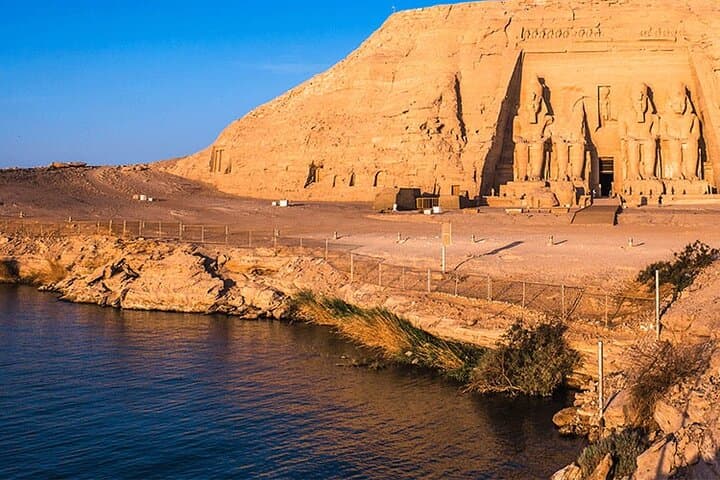
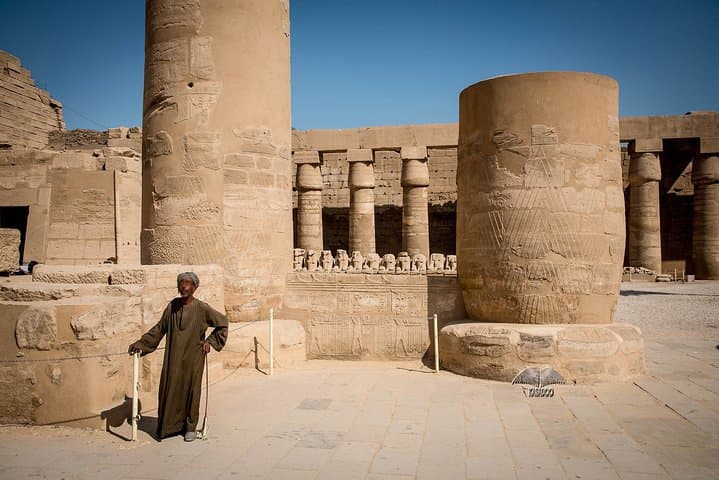
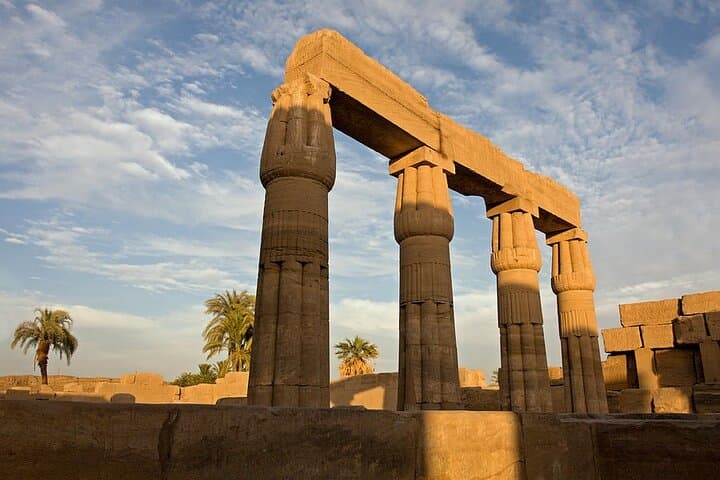
This four-day route links Aswan and Luxor along the stretch of river that powered pharaonic civilization. Expect visits to Philae Island and the Aswan High Dam—modern engineering superimposed on ancient religious islands—then longer stops at the rock-cut temples of Abu Simbel, the crooked twin shrines of Kom Ombo, the well-preserved Ptolemaic temple at Edfu, and Luxor’s Karnak and the Valley of the Kings. Geology is visible in banded Nile sandstone and the alluvial plain that made Upper Egypt agriculturally rich; culture appears in hieroglyphs, funerary façades, and the layered myths of Amun, Horus, and Isis.
Practicalities: the itinerary includes three nights onboard with full board, English-speaking private Egyptology guides, transfers, and limited Wi‑Fi. Daily walking ranges from short paved approaches to uneven temple courtyards with steps; temperatures climb sharply in summer—plan early starts for temple tours. Bring sun protection, a comfortable pair of closed walking shoes, and a refillable water bottle. For travelers wanting a measured, archeological-first view of Upper Egypt, the cruise balances relaxed river time with concentrated cultural exploration.
easy.
4 days.
Suitable for travelers with general mobility—able to walk 20–45 minutes at a time and manage stairs and uneven ground.
Most nationalities require a tourist visa for Egypt—check your embassy guidance and arrange a visa or e‑visa before travel.
Admissions vary by site and operator; confirm with the tour provider whether entrance fees and any special tomb permits are covered.
The listing states wheelchair-accessible transportation and surfaces, but accessibility at ancient sites is limited—contact the operator to discuss specific needs.
Expect short guided walks of 20–90 minutes with stairs and uneven ground; bring supportive footwear and pace yourself during hotter months.
This river corridor powered Upper Egypt’s pharaohs for millennia—temples, tombs and obelisks line the banks where ancient capitals controlled trade and ritual.
Tourism impacts sites and local water use; travelers can reduce waste, stick to marked paths, and follow guide rules to help preserve fragile monuments.
Best Of Egypt Tours operates guided outdoor trips and adventures with an emphasis on safety, stewardship, and memorable experiences.
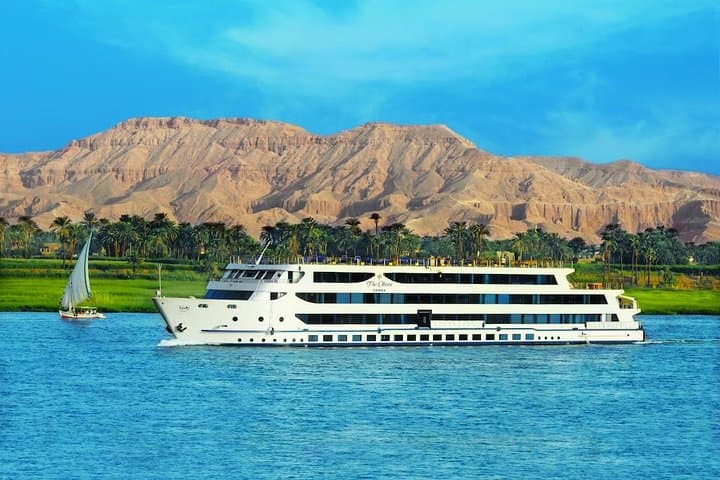
The Nile flows like an invitation: slow, wide, and insistent, pushing a floating hotel between palm fringes and sandstone bluffs as the sun pulls long, gold reflections across the water. Onboard a 5-star dahabiya-style cruise, passengers wake to the clatter of gulls and the distant silhouette of temples, disembarking to walk colonnades that have seen more millennia than most nations.
The Nile flows like an invitation: slow, wide, and insistent, pushing a floating hotel between palm fringes and sandstone bluffs as the sun pulls long, gold reflections across the water. Onboard a 5-star dahabiya-style cruise, passengers wake to the clatter of gulls and the distant silhouette of temples, disembarking to walk colonnades that have seen more millennia than most nations.
This four-day route links Aswan and Luxor along the stretch of river that powered pharaonic civilization. Expect visits to Philae Island and the Aswan High Dam—modern engineering superimposed on ancient religious islands—then longer stops at the rock-cut temples of Abu Simbel, the crooked twin shrines of Kom Ombo, the well-preserved Ptolemaic temple at Edfu, and Luxor’s Karnak and the Valley of the Kings. Geology is visible in banded Nile sandstone and the alluvial plain that made Upper Egypt agriculturally rich; culture appears in hieroglyphs, funerary façades, and the layered myths of Amun, Horus, and Isis.
Practicalities: the itinerary includes three nights onboard with full board, English-speaking private Egyptology guides, transfers, and limited Wi‑Fi. Daily walking ranges from short paved approaches to uneven temple courtyards with steps; temperatures climb sharply in summer—plan early starts for temple tours. Bring sun protection, a comfortable pair of closed walking shoes, and a refillable water bottle. For travelers wanting a measured, archeological-first view of Upper Egypt, the cruise balances relaxed river time with concentrated cultural exploration.