THE ADVENTURE COLLECTIVE® · Independent discovery and booking for outdoor travel

Float between ancient temples and Nubian villages on a 3-night cruise from Aswan to Luxor. This itinerary pairs relaxed river travel with guided visits to Philae, Kom Ombo, Edfu and the Valley of the Kings.
Float between ancient temples and Nubian villages on a 3-night cruise from Aswan to Luxor. This itinerary pairs relaxed river travel with guided visits to Philae, Kom Ombo, Edfu and the Valley of the Kings.
You step onto the sun deck as the Nile pulls you away from Aswan — a long ribbon of brown water threading between palm fringes, low islands and weathered granite outcrops. The ship’s motor hums; the river banks slide by with fishermen in feluccas and painted Nubian houses peeking through date palms. By dusk the cruise lights come on and the river seems to steer the schedule itself.
Verified experiences and guided adventures in the surrounding area.
Operated by Egotel Holidays · Aswan, Aswan Governorate
You step onto the sun deck as the Nile pulls you away from Aswan — a long ribbon of brown water threading between palm fringes, low islands and weathered granite outcrops. The ship’s motor hums; the river banks slide by with fishermen in feluccas and painted Nubian houses peeking through date palms. By dusk the cruise lights come on and the river seems to steer the schedule itself.
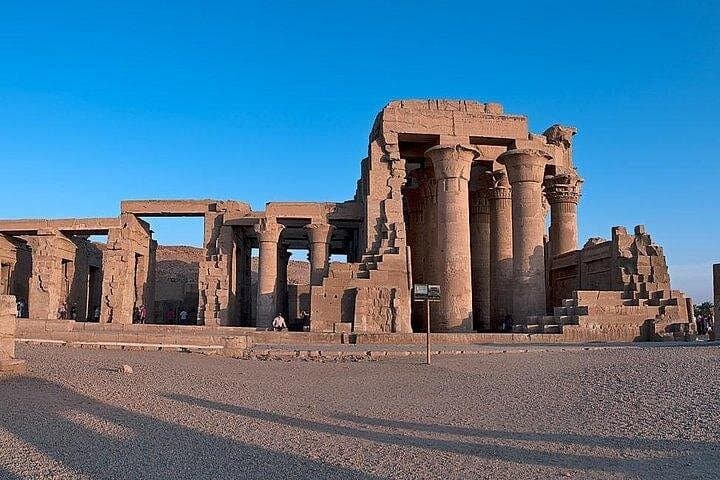
This route traces millennia of history: Philae—relocated stone by stone after the High Dam—Kom Ombo’s rare double temple for Sobek and Horus, Edfu’s well-preserved Ptolemaic shrine to Horus, and Luxor’s twin banks where pharaohs built funerary cliffs and monumental temples. Geologically the Nile corridor is an alluvial corridor carved into older sandstone and limestone, with the Theban hills forming the West Bank cliffs that house the Valley of the Kings.
Culturally you’ll meet Nubian hospitality in painted villages, taste local bread and tea, and see crafts that echo ancient patterns. Conservation here is visible: resettlements after the High Dam and ongoing archaeological conservation shape the modern river.
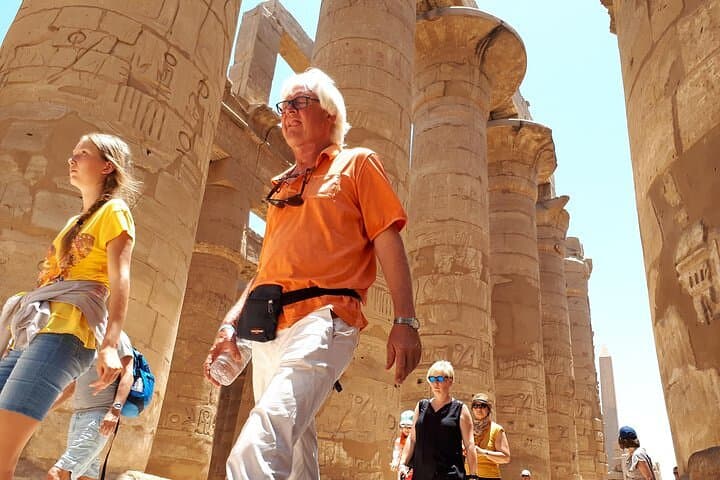
Practical notes: the cruise runs three nights (four days) and covers roughly 200–240 km of river travel with daily sail windows and short motor-boat transfers to shore. All meals onboard and transfers are included; entrance fees are typically extra. Expect flat walking but uneven temple floors and steps; plan morning temple visits to avoid heat, carry local currency for tips and small purchases, wear sun protection and comfortable, closed shoes. The Nile moves at its own pace — bring patience and a camera.
easy.
3 nights / 4 days.
Suitable for most fitness levels; you should be able to walk short distances and climb stairs on uneven surfaces.
No — most archaeological sites and museums require separate entry fees that are not included in the package.
Yes — the itinerary and pace are suitable for children and older travelers, with mostly flat walking; check cabin arrangements for infants.
Private air-conditioned transfers are provided for pickup and drop-off; shore visits use the cruise’s motor boats for short transfers when needed.
Many nationalities need a visa for Egypt; check current embassy requirements and ensure your passport has sufficient validity before travel.
The Aswan–Luxor corridor was Egypt’s political and religious heartland; temples here span Pharaonic, Ptolemaic and Roman eras, and the Aswan High Dam reshaped the modern Nile in the 20th century.
Relocation projects (like Philae) and ongoing site conservation balance tourism with preservation; minimize impact by staying on paths and avoiding flash photography where prohibited.
Egotel Holidays operates guided outdoor trips and adventures with an emphasis on safety, stewardship, and memorable experiences.
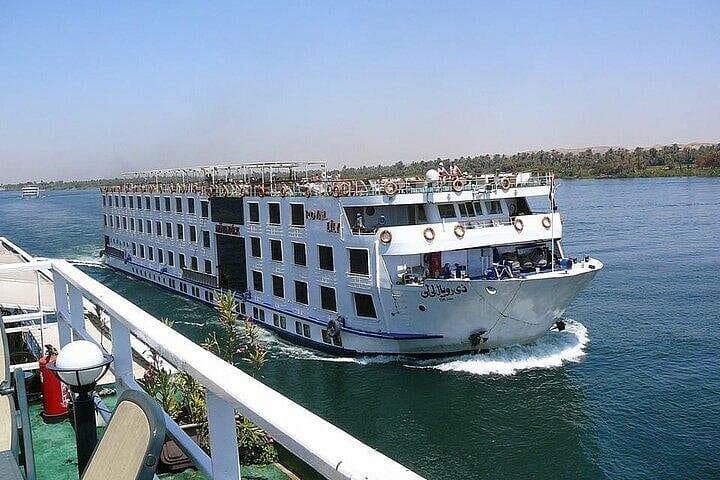

You step onto the sun deck as the Nile pulls you away from Aswan — a long ribbon of brown water threading between palm fringes, low islands and weathered granite outcrops. The ship’s motor hums; the river banks slide by with fishermen in feluccas and painted Nubian houses peeking through date palms. By dusk the cruise lights come on and the river seems to steer the schedule itself.
You step onto the sun deck as the Nile pulls you away from Aswan — a long ribbon of brown water threading between palm fringes, low islands and weathered granite outcrops. The ship’s motor hums; the river banks slide by with fishermen in feluccas and painted Nubian houses peeking through date palms. By dusk the cruise lights come on and the river seems to steer the schedule itself.
This route traces millennia of history: Philae—relocated stone by stone after the High Dam—Kom Ombo’s rare double temple for Sobek and Horus, Edfu’s well-preserved Ptolemaic shrine to Horus, and Luxor’s twin banks where pharaohs built funerary cliffs and monumental temples. Geologically the Nile corridor is an alluvial corridor carved into older sandstone and limestone, with the Theban hills forming the West Bank cliffs that house the Valley of the Kings.
Culturally you’ll meet Nubian hospitality in painted villages, taste local bread and tea, and see crafts that echo ancient patterns. Conservation here is visible: resettlements after the High Dam and ongoing archaeological conservation shape the modern river.
Practical notes: the cruise runs three nights (four days) and covers roughly 200–240 km of river travel with daily sail windows and short motor-boat transfers to shore. All meals onboard and transfers are included; entrance fees are typically extra. Expect flat walking but uneven temple floors and steps; plan morning temple visits to avoid heat, carry local currency for tips and small purchases, wear sun protection and comfortable, closed shoes. The Nile moves at its own pace — bring patience and a camera.