THE ADVENTURE COLLECTIVE® · Independent discovery and booking for outdoor travel

Sail the Nile from Aswan to Luxor over three nights, visiting Philae, Kom Ombo, Edfu and the relocated Abu Simbel, then rise at dawn for a hot-air balloon over Luxor’s ancient West Bank. A mix of relaxed cruising and concentrated archaeology makes this a compact, high-value cultural itinerary.
Sail the Nile from Aswan to Luxor over three nights, visiting Philae, Kom Ombo, Edfu and the relocated Abu Simbel, then rise at dawn for a hot-air balloon over Luxor’s ancient West Bank. A mix of relaxed cruising and concentrated archaeology makes this a compact, high-value cultural itinerary.
The sun slides low over the Nile as the cruise hums away from Aswan, palm silhouettes skimming the water and the river itself daring you to slow down and look. On this three-night passage between Aswan and Luxor, travelers move at the pace of the current — mornings spent ashore among colonnades and tomb façades, afternoons drifting past reed beds and island farms.
Verified experiences and guided adventures in the surrounding area.
Operated by Fayrouz Egypt Travel · Aswan, Aswan
The sun slides low over the Nile as the cruise hums away from Aswan, palm silhouettes skimming the water and the river itself daring you to slow down and look. On this three-night passage between Aswan and Luxor, travelers move at the pace of the current — mornings spent ashore among colonnades and tomb façades, afternoons drifting past reed beds and island farms.
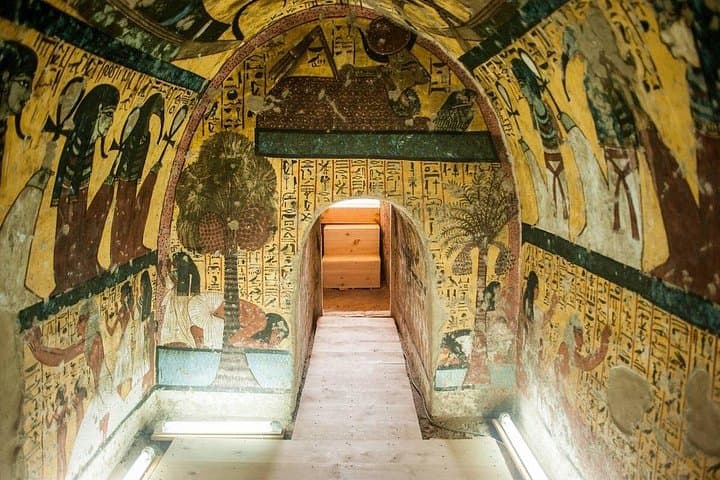
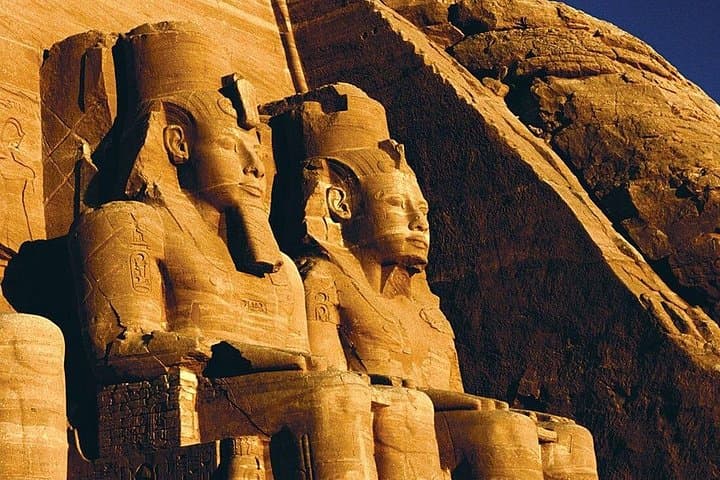
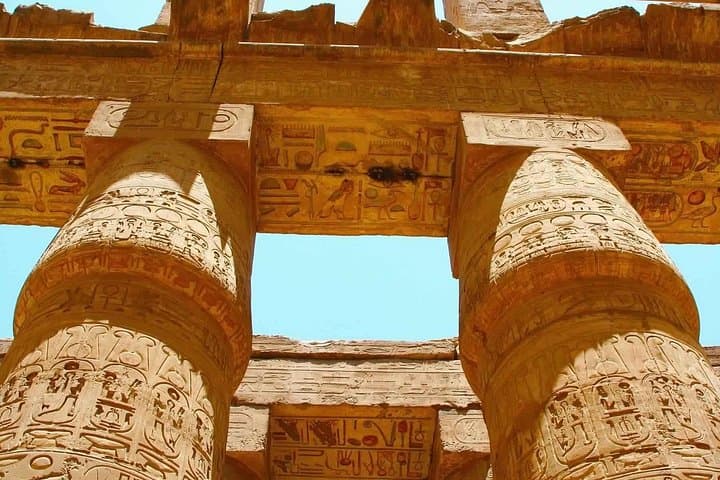
This corridor of the Nile is history made visible: Philae’s Greco-Roman shrine, the modern engineering of the Aswan High Dam, Kom Ombo’s twin sanctuaries, and Edfu’s intact Ptolemaic temple. Abu Simbel — carved into the rock for Ramesses II and relocated stone-by-stone in the 1960s — anchors the emotional high point. Geologically the river has cut a fertile ribbon through desert sandstone, and culturally the banks are a living mix of Nubian villages, temple towns and modern Egyptian life.
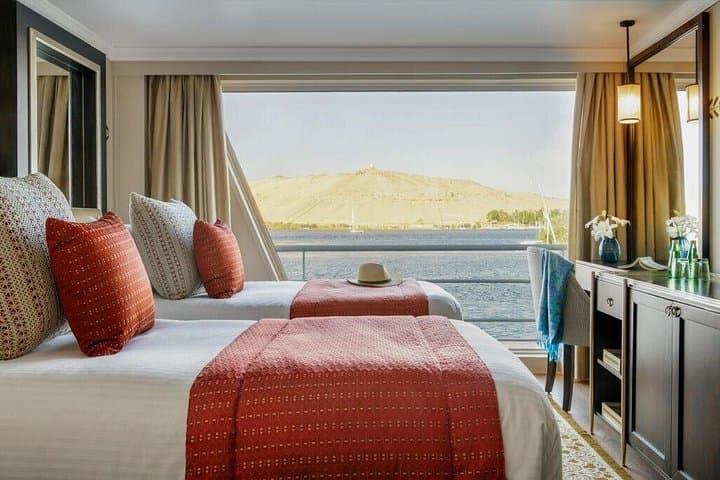
Practicalities shape the experience: cabins with basic amenities are standard on five-star dahabiya-style cruises, guided Egyptology tours handle museum and temple logistics, and a sunrise hot-air balloon over Luxor’s West Bank offers a bird’s-eye orientation to the Valley of the Kings. Expect early pickups for temple visits and dusty steps at ancient sites. Bring sun protection, comfortable walking shoes, and a lightweight layer for early-morning balloon launches. Hydrate between temple tours; be ready to board small motorboats to reach some islands. With a balance of leisure on deck and focused cultural stops, the trip suits travelers who want immersive history served with measured comfort.
moderate.
3–4 days.
Light to moderate fitness; able to walk on uneven ground, climb stairs and board small boats.
Abu Simbel is offered as an early-morning excursion; confirm if it’s included or optional when booking, as it often requires a separate early transfer.
Admission for sites mentioned varies; the operator lists many sites in the program but confirm which ticketed entries are included in your booking details.
Typical balloon flights last 30–45 minutes at sunrise and include hotel or dock pickup early in the morning.
The cruise is suitable for most ages, but temple sites involve steps and uneven ground; plan for assistance if mobility is limited and check infant/child policies when booking.
The route stitches together Pharaonic, Ptolemaic and Roman periods; Abu Simbel was famously relocated in the 1960s to save it from rising waters behind the Aswan High Dam.
Visitors should avoid touching carved reliefs, use designated walkways, and minimize plastic waste to protect fragile archaeological sites and the river ecosystem.
Fayrouz Egypt Travel operates guided outdoor trips and adventures with an emphasis on safety, stewardship, and memorable experiences.
The sun slides low over the Nile as the cruise hums away from Aswan, palm silhouettes skimming the water and the river itself daring you to slow down and look. On this three-night passage between Aswan and Luxor, travelers move at the pace of the current — mornings spent ashore among colonnades and tomb façades, afternoons drifting past reed beds and island farms.
The sun slides low over the Nile as the cruise hums away from Aswan, palm silhouettes skimming the water and the river itself daring you to slow down and look. On this three-night passage between Aswan and Luxor, travelers move at the pace of the current — mornings spent ashore among colonnades and tomb façades, afternoons drifting past reed beds and island farms.
This corridor of the Nile is history made visible: Philae’s Greco-Roman shrine, the modern engineering of the Aswan High Dam, Kom Ombo’s twin sanctuaries, and Edfu’s intact Ptolemaic temple. Abu Simbel — carved into the rock for Ramesses II and relocated stone-by-stone in the 1960s — anchors the emotional high point. Geologically the river has cut a fertile ribbon through desert sandstone, and culturally the banks are a living mix of Nubian villages, temple towns and modern Egyptian life.
Practicalities shape the experience: cabins with basic amenities are standard on five-star dahabiya-style cruises, guided Egyptology tours handle museum and temple logistics, and a sunrise hot-air balloon over Luxor’s West Bank offers a bird’s-eye orientation to the Valley of the Kings. Expect early pickups for temple visits and dusty steps at ancient sites. Bring sun protection, comfortable walking shoes, and a lightweight layer for early-morning balloon launches. Hydrate between temple tours; be ready to board small motorboats to reach some islands. With a balance of leisure on deck and focused cultural stops, the trip suits travelers who want immersive history served with measured comfort.