THE ADVENTURE COLLECTIVE® · Independent discovery and booking for outdoor travel

Float between Aswan and Luxor on a three-night Nile cruise that pairs slow river travel with visits to Kom Ombo, Edfu and Karnak. Expect relaxed days aboard, short guided temple walks, and vivid riverfront life.
Float between Aswan and Luxor on a three-night Nile cruise that pairs slow river travel with visits to Kom Ombo, Edfu and Karnak. Expect relaxed days aboard, short guided temple walks, and vivid riverfront life.
A low-slung dahabiya slips away from Aswan at dawn, the Nile’s broad current pulling the boat and its passengers toward a string of pharaonic places. Wind lifts the laundry on small river islands, fishermen angle long poles, and the river itself seems to urge the cruise forward—slow, steady, inevitable.
Verified experiences and guided adventures in the surrounding area.
Operated by travelconnection001 · Aswan, Aswan Governorate
A low-slung dahabiya slips away from Aswan at dawn, the Nile’s broad current pulling the boat and its passengers toward a string of pharaonic places. Wind lifts the laundry on small river islands, fishermen angle long poles, and the river itself seems to urge the cruise forward—slow, steady, inevitable.
The route between Aswan and Luxor threads millennia of history: Pharaonic quarries near Aswan that supplied obelisks, the mud-brick agricultural terraces that follow the Nile’s pulse, and the temple complexes of Kom Ombo, Edfu, and Karnak that record successive layers of belief and power. Geologically, the river cuts through Nubian sandstone and alluvial floodplain; travellers will notice the contrast between the orange desert bluffs and the ribbon of green along the banks.
Culture here is practical and public—markets, felucca traffic, and tea stalls that crowd the river’s edge. Stops ashore mean walking to temple entrances, under shaded colonnades and up paved ramps, with guide commentary linking hieroglyphs to ritual and rulership.
For planning: pack light for the cabin and carry sturdy shoes for temple approaches and uneven stone floors. Hydrate on deck; the sun is direct even in morning or late afternoon. Expect short onshore excursions each day, time for photography at golden-hour light, and easy-paced travel between ports. Book transfers and passport details in advance; most cruises include full board. This itinerary suits travelers who want relaxed river travel with daily cultural exploration rather than strenuous hiking.
easy.
3 nights (4 days).
Suitable for most fitness levels; involves short, mostly easy walks at temples and boarding the boat
Most 3-night Nile cruises include full board meals, cabin accommodation, daily shore excursions to listed temples, and guided commentary—confirm specifics with the operator.
Shore visits are short to moderate walks across temple grounds and ramps; there is no technical hiking, but expect uneven stone and some steps.
Yes—this itinerary is rated easy and suitable for families; infants may need to sit on laps and infant seats may be available—check booking requirements.
Carry your passport and any required visa; bookings often ask for passport number and expiry in advance and you’ll need the passport for boarding.
The Nile corridor between Aswan and Luxor was a major artery for Pharaonic transport and quarrying; temples along the route served both religious and administrative roles.
River health and tourism impact are local priorities; travelers can reduce footprint by using refillable bottles and respecting marked paths at archaeological sites.
travelconnection001 operates guided outdoor trips and adventures with an emphasis on safety, stewardship, and memorable experiences.
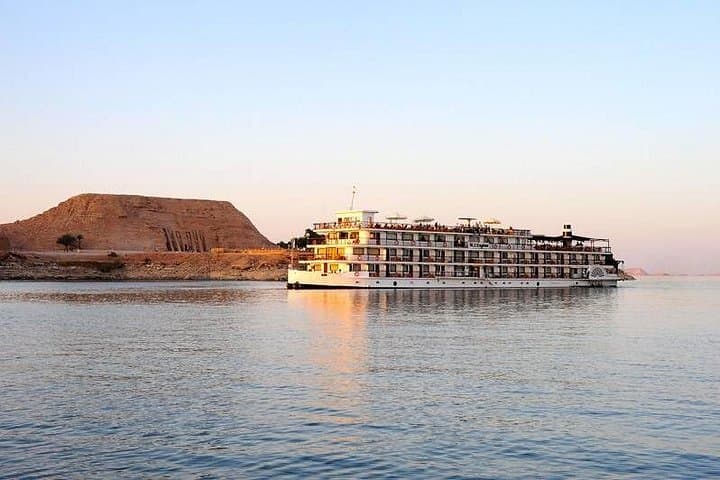
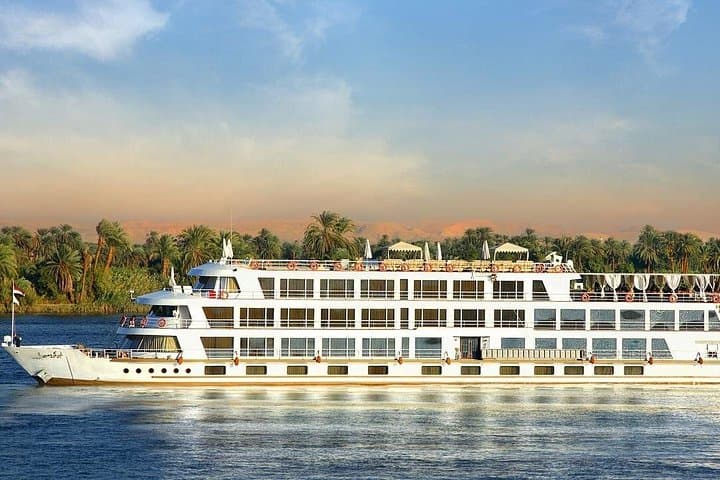
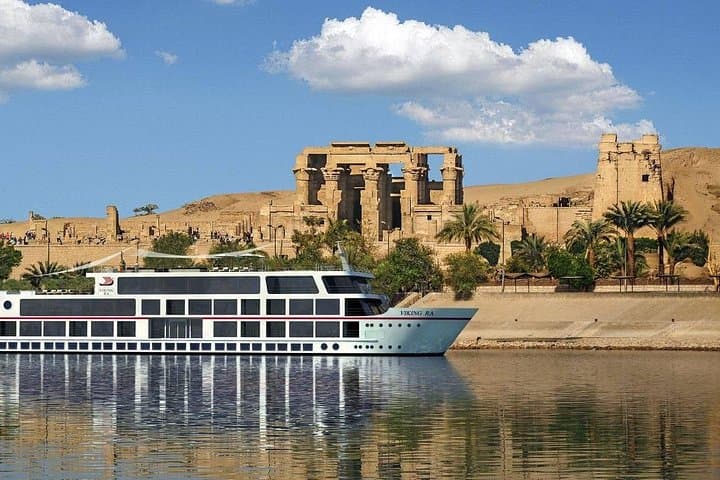
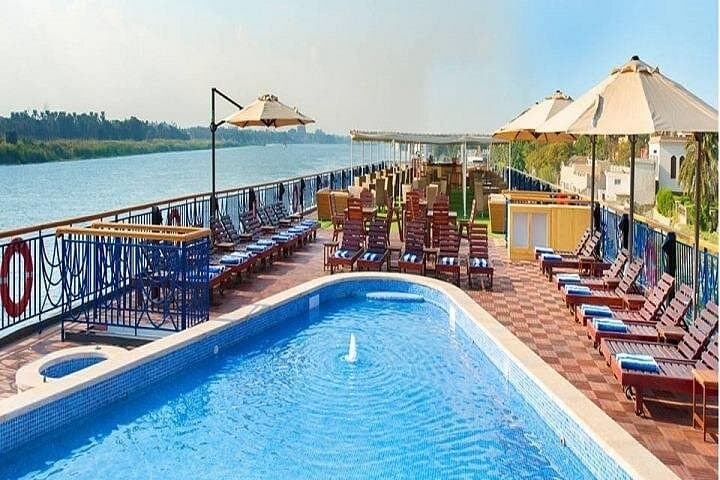
A low-slung dahabiya slips away from Aswan at dawn, the Nile’s broad current pulling the boat and its passengers toward a string of pharaonic places. Wind lifts the laundry on small river islands, fishermen angle long poles, and the river itself seems to urge the cruise forward—slow, steady, inevitable.
A low-slung dahabiya slips away from Aswan at dawn, the Nile’s broad current pulling the boat and its passengers toward a string of pharaonic places. Wind lifts the laundry on small river islands, fishermen angle long poles, and the river itself seems to urge the cruise forward—slow, steady, inevitable.
The route between Aswan and Luxor threads millennia of history: Pharaonic quarries near Aswan that supplied obelisks, the mud-brick agricultural terraces that follow the Nile’s pulse, and the temple complexes of Kom Ombo, Edfu, and Karnak that record successive layers of belief and power. Geologically, the river cuts through Nubian sandstone and alluvial floodplain; travellers will notice the contrast between the orange desert bluffs and the ribbon of green along the banks.
Culture here is practical and public—markets, felucca traffic, and tea stalls that crowd the river’s edge. Stops ashore mean walking to temple entrances, under shaded colonnades and up paved ramps, with guide commentary linking hieroglyphs to ritual and rulership.
For planning: pack light for the cabin and carry sturdy shoes for temple approaches and uneven stone floors. Hydrate on deck; the sun is direct even in morning or late afternoon. Expect short onshore excursions each day, time for photography at golden-hour light, and easy-paced travel between ports. Book transfers and passport details in advance; most cruises include full board. This itinerary suits travelers who want relaxed river travel with daily cultural exploration rather than strenuous hiking.