THE ADVENTURE COLLECTIVE® · Independent discovery and booking for outdoor travel

Cruise from Aswan to Luxor over three nights, exploring Philae, Abu Simbel, Kom Ombo, Edfu and Luxor’s temples with an Egyptologist guide. This compact Nile journey mixes onboard comfort with concentrated temple visits and practical logistics handled for you.
Cruise from Aswan to Luxor over three nights, exploring Philae, Abu Simbel, Kom Ombo, Edfu and Luxor’s temples with an Egyptologist guide. This compact Nile journey mixes onboard comfort with concentrated temple visits and practical logistics handled for you.
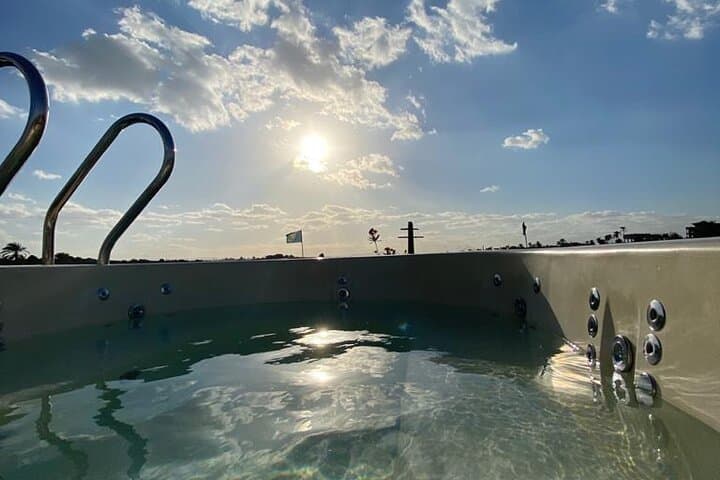
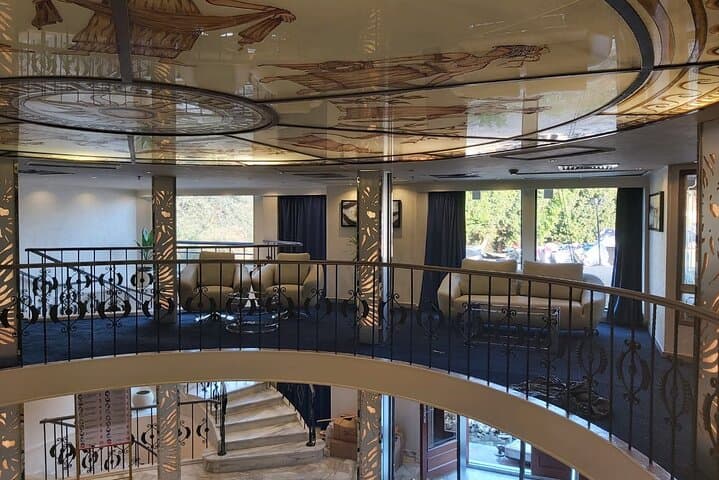
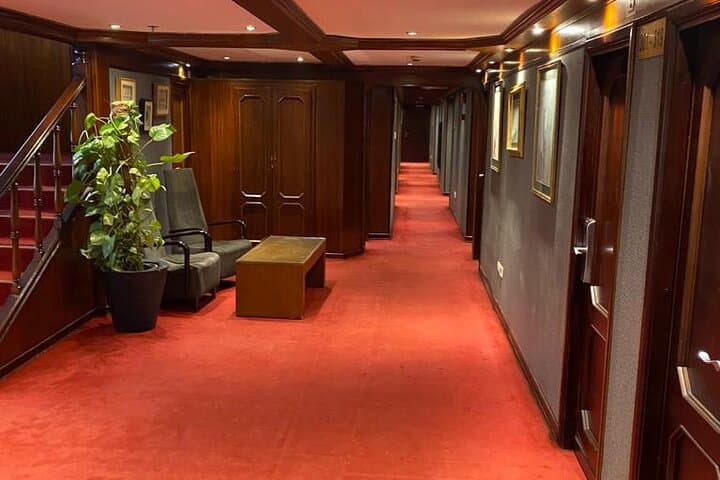
The Nile runs like a low, deliberate engine beneath the cruise's hull, daring passengers to slow down and watch history slide past — mud-brick villages, palm fringes and the sudden vertical lines of temple pylons. Boarding in Aswan, travelers feel the river set the day’s rhythm: dawn excursions, midday shade on deck, lantern-lit dinners and the hush of desert air at night.
Verified experiences and guided adventures in the surrounding area.
Operated by Book Your Tours · Aswan, Aswan Governorate
The Nile runs like a low, deliberate engine beneath the cruise's hull, daring passengers to slow down and watch history slide past — mud-brick villages, palm fringes and the sudden vertical lines of temple pylons. Boarding in Aswan, travelers feel the river set the day’s rhythm: dawn excursions, midday shade on deck, lantern-lit dinners and the hush of desert air at night.
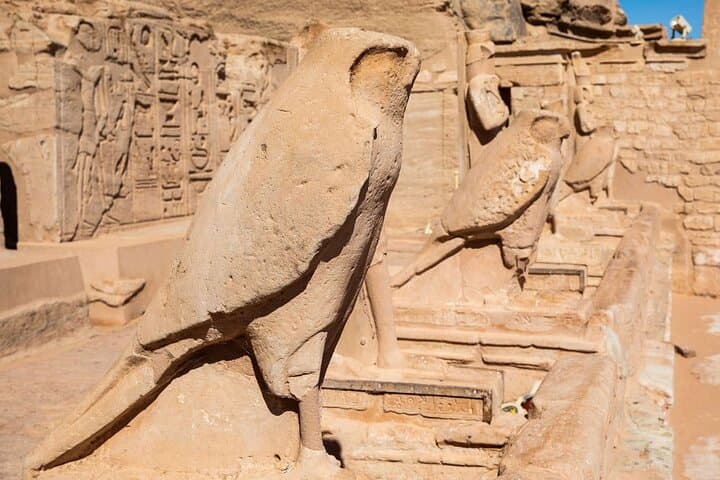
This four-day voyage follows the great arc of Upper Egypt’s pharaonic heart. From Philae’s island temples and the Soviet-era engineering of the Aswan High Dam to the colossal relocated faces of Abu Simbel and the Ptolemaic reliefs at Kom Ombo and Edfu, the itinerary traces 3,000 years of ceremonial architecture. Geologically the route cuts the Nile’s alluvial plain, where millennia of river silt sustained Thebes (modern Luxor) and its necropolises.
Local culture here is river-born: Nubian craft stalls in Aswan, temple guardians whose families have worked sites for generations, and a cuisine flavored with river fish, dates and cilantro. Conservation is visible too — Abu Simbel’s 1960s relocation is a rare, large-scale effort to save monuments from rising waters.
Practical guidance: bring lightweight, breathable layers for cool mornings and hot afternoons, a good pair of walking shoes for uneven temple steps, and sun protection — many temple sites offer limited shade. Expect guided walks of 45–120 minutes at major sites, some stair climbs and periods of hot sun; pace yourself, hydrate frequently and plan early starts for the most comfortable visits.
easy.
4 days (approx. 96 hours).
Suitable for travelers in average condition who can walk 30–60 minutes at a time and climb stairs; not strenuous.
Yes — a full-day trip to Abu Simbel from Aswan is part of the cruise program and transport and visits are organized by the operator.
The tour includes visits to the sites mentioned in the itinerary and an Egyptologist guide; check booking details for any optional extras not covered.
Yes — the operator provides pickup from Aswan hotels, the airport and train station as noted during booking.
The operator lists wheelchair-accessible transportation and many areas are accessible, but some temple interiors and tombs have steps and low passages—notify the operator during booking to plan accommodations.
This route follows the core of Upper Egypt where pharaohs built mortuary complexes and river temples; Abu Simbel was famously relocated in the 1960s to save it from the Aswan High Dam reservoir.
Large-scale conservation here includes the relocation of Abu Simbel; visitors should avoid touching reliefs, minimize waste on board and support operators that manage sewage and solid waste responsibly.
Book Your Tours operates guided outdoor trips and adventures with an emphasis on safety, stewardship, and memorable experiences.
The Nile runs like a low, deliberate engine beneath the cruise's hull, daring passengers to slow down and watch history slide past — mud-brick villages, palm fringes and the sudden vertical lines of temple pylons. Boarding in Aswan, travelers feel the river set the day’s rhythm: dawn excursions, midday shade on deck, lantern-lit dinners and the hush of desert air at night.
The Nile runs like a low, deliberate engine beneath the cruise's hull, daring passengers to slow down and watch history slide past — mud-brick villages, palm fringes and the sudden vertical lines of temple pylons. Boarding in Aswan, travelers feel the river set the day’s rhythm: dawn excursions, midday shade on deck, lantern-lit dinners and the hush of desert air at night.
This four-day voyage follows the great arc of Upper Egypt’s pharaonic heart. From Philae’s island temples and the Soviet-era engineering of the Aswan High Dam to the colossal relocated faces of Abu Simbel and the Ptolemaic reliefs at Kom Ombo and Edfu, the itinerary traces 3,000 years of ceremonial architecture. Geologically the route cuts the Nile’s alluvial plain, where millennia of river silt sustained Thebes (modern Luxor) and its necropolises.
Local culture here is river-born: Nubian craft stalls in Aswan, temple guardians whose families have worked sites for generations, and a cuisine flavored with river fish, dates and cilantro. Conservation is visible too — Abu Simbel’s 1960s relocation is a rare, large-scale effort to save monuments from rising waters.
Practical guidance: bring lightweight, breathable layers for cool mornings and hot afternoons, a good pair of walking shoes for uneven temple steps, and sun protection — many temple sites offer limited shade. Expect guided walks of 45–120 minutes at major sites, some stair climbs and periods of hot sun; pace yourself, hydrate frequently and plan early starts for the most comfortable visits.