THE ADVENTURE COLLECTIVE® · Independent discovery and booking for outdoor travel

Float downstream from Aswan to Luxor on a two-night Nile cruise that pairs island temples, Roman-era pylons and a sunrise hot-air balloon above the West Bank. This compact itinerary includes domestic flights and guided visits to Philae, Kom Ombo, Edfu and Luxor’s temple complex.
Float downstream from Aswan to Luxor on a two-night Nile cruise that pairs island temples, Roman-era pylons and a sunrise hot-air balloon above the West Bank. This compact itinerary includes domestic flights and guided visits to Philae, Kom Ombo, Edfu and Luxor’s temple complex.
Dawn lifts over the Nile as the cruise slips away from Aswan—the river glassy, villages stirring, and the silhouette of Philae shrinking behind you. On deck, the boat moves like a slow promise, the current nudging you downstream toward temples carved out of stone and a landscape that still remembers ancient kings.
Verified experiences and guided adventures in the surrounding area.
Operated by Best Of Egypt Tours · Aswan, Aswan Governorate
Dawn lifts over the Nile as the cruise slips away from Aswan—the river glassy, villages stirring, and the silhouette of Philae shrinking behind you. On deck, the boat moves like a slow promise, the current nudging you downstream toward temples carved out of stone and a landscape that still remembers ancient kings.
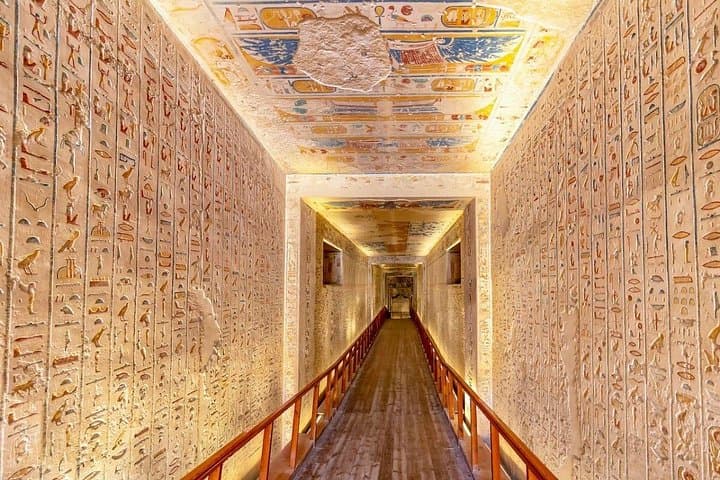
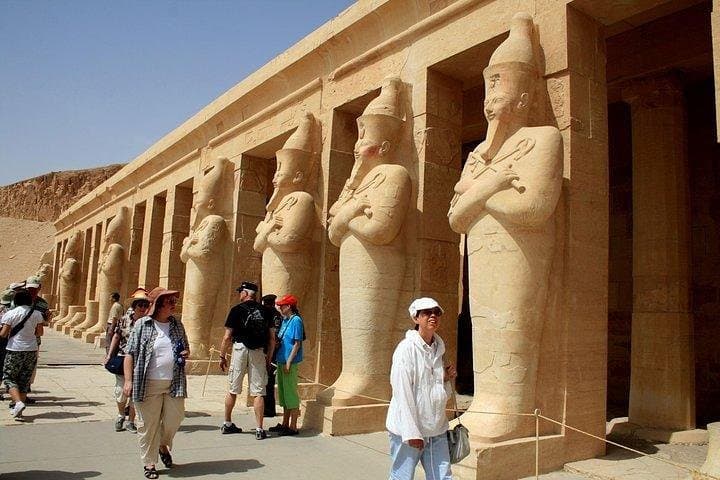
This route threads classical Egyptian sites: Philae’s island shrines relocated after the High Dam; Kom Ombo’s twin sanctuaries; the crocodile and falcon gods of Edfu; and Luxor’s concentration of royal power—Karnak, the Valley of the Kings, Hatshepsut’s terraces and the colossal Memnon statues. Geologically, the Nile corridor cuts a fertile ribbon through Nubian sandstone and Alluvial silt, creating abrupt contrasts between irrigated banks and arid desert cliffs.
Local culture is tactile: Nubian crafts, felucca skiffs, and guiding traditions that mix Egyptology with practical river sense. The hot-air balloon over Luxor’s west bank offers a different vantage—sunrise lighting hieroglyphs and tomb-rim silhouettes.
Practical guidance: expect early departures for key sites and a mix of boat time and guided walking tours; temple steps are uneven and often exposed to sun. Domestic flights to/from Cairo are included, so factor luggage limits and arrival buffers. Bring sun protection, a lightweight layer for mornings on deck, comfortable shoes for stone steps, and small local currency for tips and market purchases. Respect archaeological rules—no touching artifacts—and leave single-use plastics behind. The trip is low-impact in effort but rich in sights: plan pacing and hydration to get the most from each ancient stop.
easy.
2–3 days.
Suitable for travelers in average health; requires short to moderate walks and climbing uneven temple steps.
Yes — the itinerary includes domestic flights between Cairo and Aswan, and between Luxor and Cairo as listed in the inclusions.
Operators typically follow strict safety checks; passengers with serious mobility or balance issues should consult the operator and disclose health concerns in advance.
The tour notes wheelchair accessibility for many components and accessible transport, but some temple areas have steps and uneven surfaces—confirm specific needs before booking.
Domestic flight baggage allowances vary by carrier; follow the provider’s guidance and pack within typical domestic limits to avoid excess fees.
This corridor was the heart of ancient Thebes and successive dynasties; many temples were added or modified from the New Kingdom through the Roman era.
High visitor volumes stress fragile painted reliefs and tomb interiors—follow site rules, avoid flash photography where prohibited, and limit plastic waste on board.
Best Of Egypt Tours operates guided outdoor trips and adventures with an emphasis on safety, stewardship, and memorable experiences.
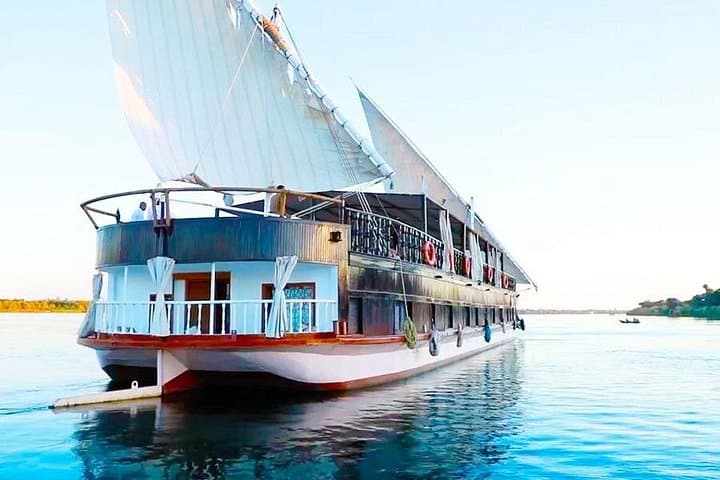
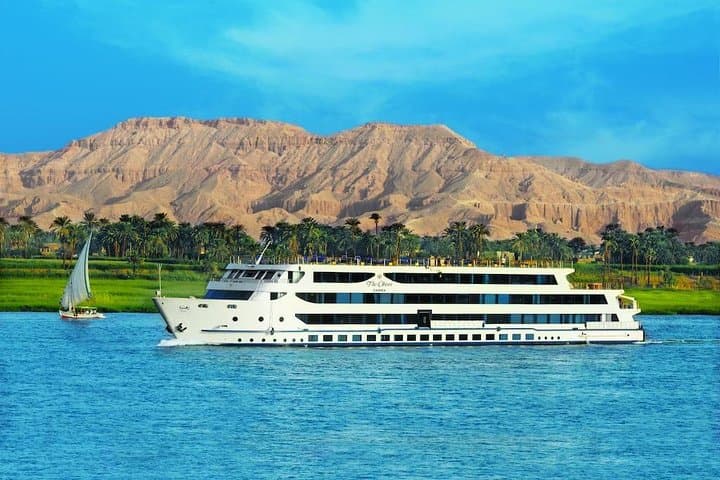
Dawn lifts over the Nile as the cruise slips away from Aswan—the river glassy, villages stirring, and the silhouette of Philae shrinking behind you. On deck, the boat moves like a slow promise, the current nudging you downstream toward temples carved out of stone and a landscape that still remembers ancient kings.
Dawn lifts over the Nile as the cruise slips away from Aswan—the river glassy, villages stirring, and the silhouette of Philae shrinking behind you. On deck, the boat moves like a slow promise, the current nudging you downstream toward temples carved out of stone and a landscape that still remembers ancient kings.
This route threads classical Egyptian sites: Philae’s island shrines relocated after the High Dam; Kom Ombo’s twin sanctuaries; the crocodile and falcon gods of Edfu; and Luxor’s concentration of royal power—Karnak, the Valley of the Kings, Hatshepsut’s terraces and the colossal Memnon statues. Geologically, the Nile corridor cuts a fertile ribbon through Nubian sandstone and Alluvial silt, creating abrupt contrasts between irrigated banks and arid desert cliffs.
Local culture is tactile: Nubian crafts, felucca skiffs, and guiding traditions that mix Egyptology with practical river sense. The hot-air balloon over Luxor’s west bank offers a different vantage—sunrise lighting hieroglyphs and tomb-rim silhouettes.
Practical guidance: expect early departures for key sites and a mix of boat time and guided walking tours; temple steps are uneven and often exposed to sun. Domestic flights to/from Cairo are included, so factor luggage limits and arrival buffers. Bring sun protection, a lightweight layer for mornings on deck, comfortable shoes for stone steps, and small local currency for tips and market purchases. Respect archaeological rules—no touching artifacts—and leave single-use plastics behind. The trip is low-impact in effort but rich in sights: plan pacing and hydration to get the most from each ancient stop.