THE ADVENTURE COLLECTIVE® · Independent discovery and booking for outdoor travel

Float between Aswan and Luxor on a three-night Nile cruise that pairs sunrise at Abu Simbel with hot-air balloon views over Luxor’s West Bank. This compact itinerary mixes world-class monuments, comfortable aboard accommodations, and local culture for an efficient sweep through ancient Egypt.
Float between Aswan and Luxor on a three-night Nile cruise that pairs sunrise at Abu Simbel with hot-air balloon views over Luxor’s West Bank. This compact itinerary mixes world-class monuments, comfortable aboard accommodations, and local culture for an efficient sweep through ancient Egypt.
You step onto the teak deck before dawn and the Nile is already moving — a slow, insistent current that pushes the boat eastward as the desert light hardens into gold. Palm-lined islands and low mudbrick villages slide by; minarets and temple pylons punctuate the horizon. The ship hums like a small, mobile village, cabins closing quietly as archaeologists’ stories wait at the breakfast table.
Verified experiences and guided adventures in the surrounding area.
Operated by Destover Travel · Aswan, Aswan Governorate
You step onto the teak deck before dawn and the Nile is already moving — a slow, insistent current that pushes the boat eastward as the desert light hardens into gold. Palm-lined islands and low mudbrick villages slide by; minarets and temple pylons punctuate the horizon. The ship hums like a small, mobile village, cabins closing quietly as archaeologists’ stories wait at the breakfast table.
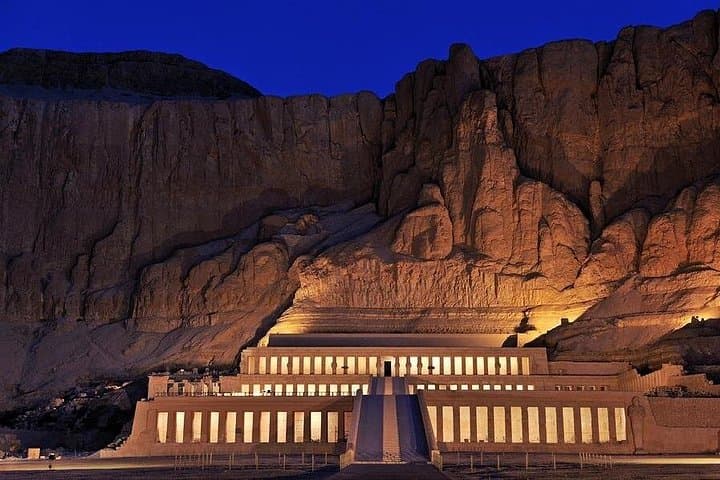
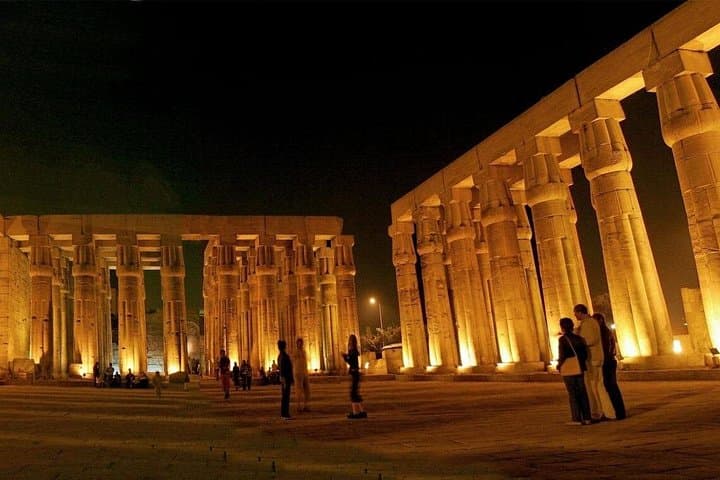
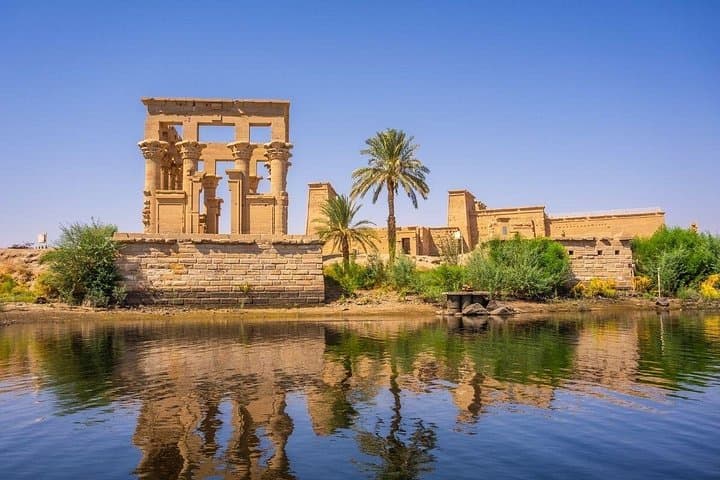
This itinerary threads together Egypt’s New Kingdom landmarks — the rock-cut grandeur of Abu Simbel, the twin sanctuaries of Kom Ombo, the enormous hypostyle halls of Karnak, and the Valley of the Kings where tombs slope into the limestone shoulder of the Theban massif. Geologically, the Nile corridor is a river incision through Phanerozoic sediments and Precambrian basement; the cliffs on the West Bank offer the same dense, fossil-poor stone that allowed pharaohs to carve permanent monuments. Culturally, you’ll pass Nubian communities with distinctive painted houses and markets that trade spices, dates, and small carved scarabs.
Practical guidance: plan early starts (Abu Simbel and balloon flights are best at sunrise), carry sun protection and water, and expect uneven steps and narrow temple passages. Entry fees and guided commentary are handled on the cruise; bring small bills for tips and purchases. Photography rules vary by site, and some tombs restrict flash to protect pigments. If you favor slower travel, choose an upper-deck seat at dusk — the river’s light and the slow sway of the cruise make history feel immediate yet manageable.
easy.
4 days.
Suitable for travelers in average health who can walk on uneven ground for short stretches and climb temple steps.
Yes — the itinerary includes the sunrise Abu Simbel trip and ground transfers as described in the daily plan.
The tour coordinates transfers and the Cairo–Aswan domestic flight shown in the itinerary; confirm pickup and flight details when booking.
Hot-air balloon rides are listed among inclusions; verify schedule and any age or weight restrictions with the operator before travel.
The operator lists wheelchair accessibility for transfers and some areas, but many temples and tombs have stairs and uneven surfaces — contact the provider to plan specific accommodations.
Many monuments on this route date to Egypt’s New Kingdom; Abu Simbel was relocated in the 1960s to save it from Lake Nasser after construction of the Aswan High Dam.
The region balances tourism with preservation — follow site rules, avoid flash photography in tombs, and support certified guides to minimize impact.
Destover Travel operates guided outdoor trips and adventures with an emphasis on safety, stewardship, and memorable experiences.
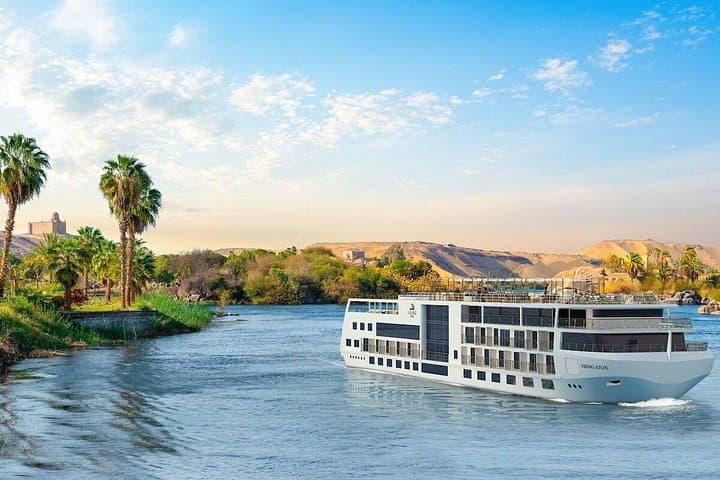
You step onto the teak deck before dawn and the Nile is already moving — a slow, insistent current that pushes the boat eastward as the desert light hardens into gold. Palm-lined islands and low mudbrick villages slide by; minarets and temple pylons punctuate the horizon. The ship hums like a small, mobile village, cabins closing quietly as archaeologists’ stories wait at the breakfast table.
You step onto the teak deck before dawn and the Nile is already moving — a slow, insistent current that pushes the boat eastward as the desert light hardens into gold. Palm-lined islands and low mudbrick villages slide by; minarets and temple pylons punctuate the horizon. The ship hums like a small, mobile village, cabins closing quietly as archaeologists’ stories wait at the breakfast table.
This itinerary threads together Egypt’s New Kingdom landmarks — the rock-cut grandeur of Abu Simbel, the twin sanctuaries of Kom Ombo, the enormous hypostyle halls of Karnak, and the Valley of the Kings where tombs slope into the limestone shoulder of the Theban massif. Geologically, the Nile corridor is a river incision through Phanerozoic sediments and Precambrian basement; the cliffs on the West Bank offer the same dense, fossil-poor stone that allowed pharaohs to carve permanent monuments. Culturally, you’ll pass Nubian communities with distinctive painted houses and markets that trade spices, dates, and small carved scarabs.
Practical guidance: plan early starts (Abu Simbel and balloon flights are best at sunrise), carry sun protection and water, and expect uneven steps and narrow temple passages. Entry fees and guided commentary are handled on the cruise; bring small bills for tips and purchases. Photography rules vary by site, and some tombs restrict flash to protect pigments. If you favor slower travel, choose an upper-deck seat at dusk — the river’s light and the slow sway of the cruise make history feel immediate yet manageable.