THE ADVENTURE COLLECTIVE® · Independent discovery and booking for outdoor travel

A full-day private coach trip from Luxor to Aswan that covers the High Dam, Unfinished Obelisk and the relocated Philae Temple, capped by a felucca sail. Ideal for travelers who want archaeology, Nile scenery and a compact cultural day trip.
A full-day private coach trip from Luxor to Aswan that covers the High Dam, Unfinished Obelisk and the relocated Philae Temple, capped by a felucca sail. Ideal for travelers who want archaeology, Nile scenery and a compact cultural day trip.
You arrive before dawn at the coach, the Nile sliding beside the road like a gray ribbon daring you forward. The drive from Luxor to Aswan moves through flat desert and sudden pockets of green—palm groves, small farms, and roadside life that speaks of the river’s pull.
Verified experiences and guided adventures in the surrounding area.
Operated by Charming Egypt Tours · Aswan, Aswan Governorate
You arrive before dawn at the coach, the Nile sliding beside the road like a gray ribbon daring you forward. The drive from Luxor to Aswan moves through flat desert and sudden pockets of green—palm groves, small farms, and roadside life that speaks of the river’s pull.
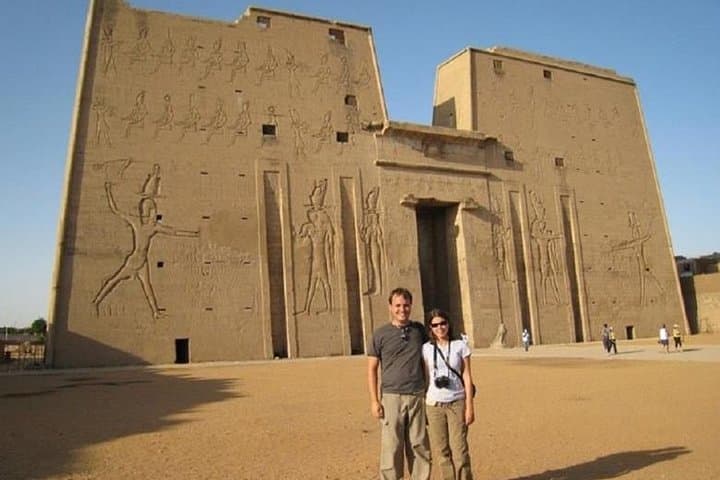
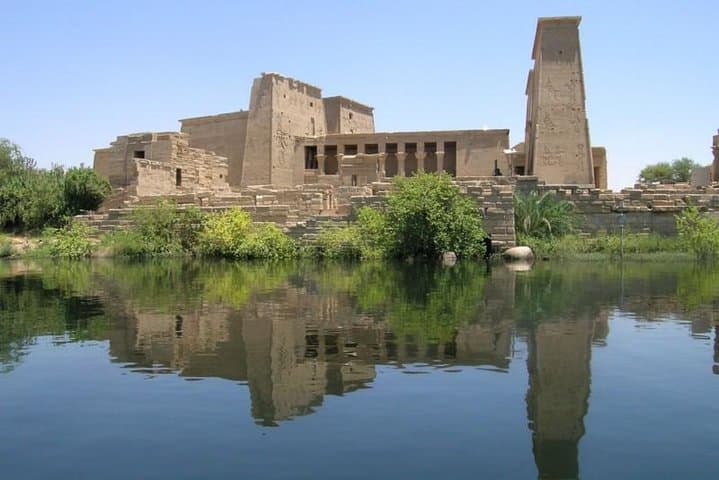
Aswan is both ancient and modern: the rock-cut quarry that produced the unfinished obelisk, the 1960s High Dam that reshaped the Nile and modern Egypt, and Philae Temple—rebuilt stone-by-stone on Agilkia Island after the dam’s reservoir threatened the original site. Geology here is visible in the red granite of the quarries and the smooth, wind-polished islands that punctuate the river.
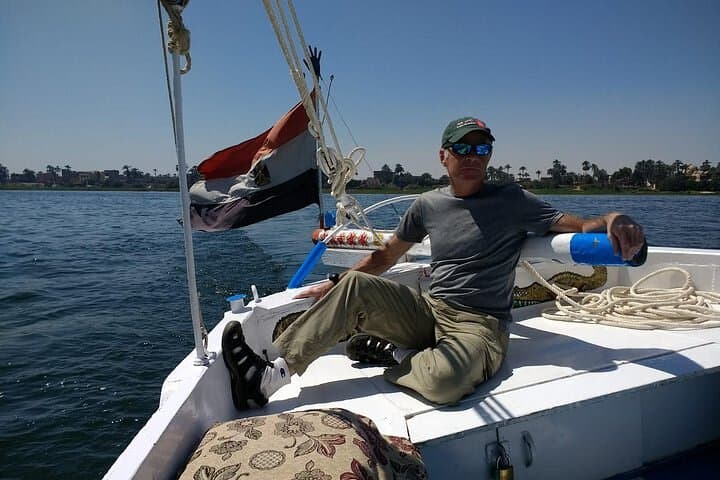
Culture is present in small details: the cadence of an Egyptologist’s narration, the steam of tea on a felucca as you pass tiny Nubian islands, and the markets in Aswan where spices and dates are sold from tarps.
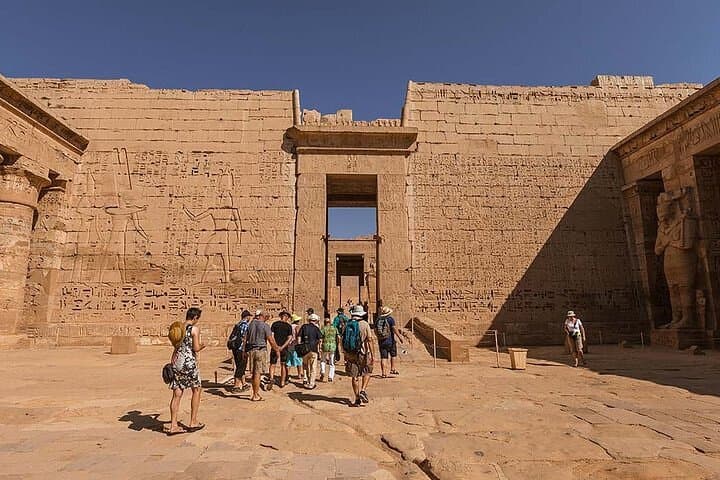
Practical guidance: expect a long day (11–14 hours) with short walks at each site and small motor-boat and felucca transfers. Wear sturdy, breathable shoes; the temple complex has uneven stone and steps. Bring sun protection, a refillable water bottle, and local cash for entrance fees, tips and market purchases. Plan for early pickup and a later return to Luxor; boat schedules and Nile breezes can change timing. Respect signs and barriers at monuments—these sites are fragile and protected. With a guide, you get historical context along with the chance to photograph riverside life and ancient stone under a wide, open sky.
easy.
11–14 hours.
Light walking and ability to climb short stone steps; suitable for most fitness levels but expect a long travel day.
This tour typically includes entry to Philae and key sites—confirm at booking and keep cash for any extra museum or optional stops.
Expect roughly 3.5–4.5 hours each way by coach depending on stops and traffic; the full trip lasts about 11–14 hours.
Yes, a local restaurant lunch is included in the itinerary; dietary requests can usually be accommodated if noted in advance.
Photography is generally allowed outdoors; follow signs and staff directions—some interiors may restrict flash or tripods.
Philae was dismantled and reassembled on Agilkia Island during the UNESCO Nubia Rescue in the 1960s to save it from the rising waters of the High Dam; the unfinished obelisk lies where workers left it in the ancient quarry.
The relocation of Philae is a landmark conservation project; visitors should stick to paths, avoid touching reliefs and support local guides who help manage visitor impact.
Charming Egypt Tours operates guided outdoor trips and adventures with an emphasis on safety, stewardship, and memorable experiences.
You arrive before dawn at the coach, the Nile sliding beside the road like a gray ribbon daring you forward. The drive from Luxor to Aswan moves through flat desert and sudden pockets of green—palm groves, small farms, and roadside life that speaks of the river’s pull.
You arrive before dawn at the coach, the Nile sliding beside the road like a gray ribbon daring you forward. The drive from Luxor to Aswan moves through flat desert and sudden pockets of green—palm groves, small farms, and roadside life that speaks of the river’s pull.
Aswan is both ancient and modern: the rock-cut quarry that produced the unfinished obelisk, the 1960s High Dam that reshaped the Nile and modern Egypt, and Philae Temple—rebuilt stone-by-stone on Agilkia Island after the dam’s reservoir threatened the original site. Geology here is visible in the red granite of the quarries and the smooth, wind-polished islands that punctuate the river.
Culture is present in small details: the cadence of an Egyptologist’s narration, the steam of tea on a felucca as you pass tiny Nubian islands, and the markets in Aswan where spices and dates are sold from tarps.
Practical guidance: expect a long day (11–14 hours) with short walks at each site and small motor-boat and felucca transfers. Wear sturdy, breathable shoes; the temple complex has uneven stone and steps. Bring sun protection, a refillable water bottle, and local cash for entrance fees, tips and market purchases. Plan for early pickup and a later return to Luxor; boat schedules and Nile breezes can change timing. Respect signs and barriers at monuments—these sites are fragile and protected. With a guide, you get historical context along with the chance to photograph riverside life and ancient stone under a wide, open sky.