THE ADVENTURE COLLECTIVE® · Independent discovery and booking for outdoor travel

Cross the Nile to Sohail for a three-hour private visit that pairs a motorboat ride past Elephantine Island with tea in a Nubian home and a stop at the Crocodile House. Expect colorful streets, close cultural contact, and calm river views.
Cross the Nile to Sohail for a three-hour private visit that pairs a motorboat ride past Elephantine Island with tea in a Nubian home and a stop at the Crocodile House. Expect colorful streets, close cultural contact, and calm river views.
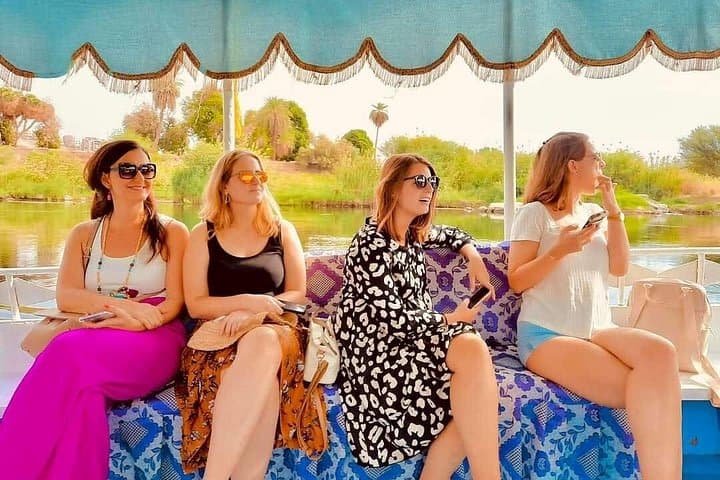
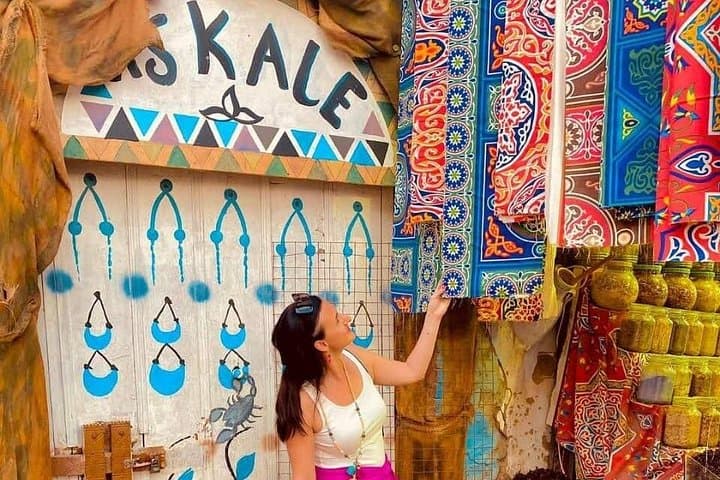
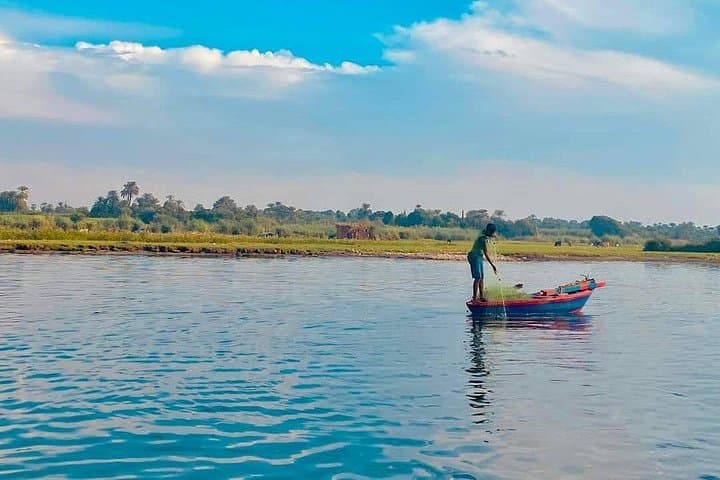
The motorboat slips away from Aswan’s riverfront and the city’s sandstone outlines blur into the warm horizon. The Nile opens into a calm corridor; palms lean like sentries as you cross toward Sohail and the small congregations of brightly painted homes. Stepping ashore feels immediate — dust underfoot, children’s voices, and the smell of brewing tea drawing you down a narrow lane toward a family courtyard.
Verified experiences and guided adventures in the surrounding area.
Operated by Taharka tours · Aswan, Aswan Governorate
The motorboat slips away from Aswan’s riverfront and the city’s sandstone outlines blur into the warm horizon. The Nile opens into a calm corridor; palms lean like sentries as you cross toward Sohail and the small congregations of brightly painted homes. Stepping ashore feels immediate — dust underfoot, children’s voices, and the smell of brewing tea drawing you down a narrow lane toward a family courtyard.
Sohail’s painted façades are modern expressions of an ancient culture. Nubian people have occupied the Nile’s southern reaches for millennia with distinct language, crafts and social rhythms that survived resettlement in the 20th century after the building of the Aswan High Dam. Nearby Elephantine Island holds archaeological layers from prehistoric settlements to Pharaonic trading posts, a reminder of how the Nile shaped human life here.
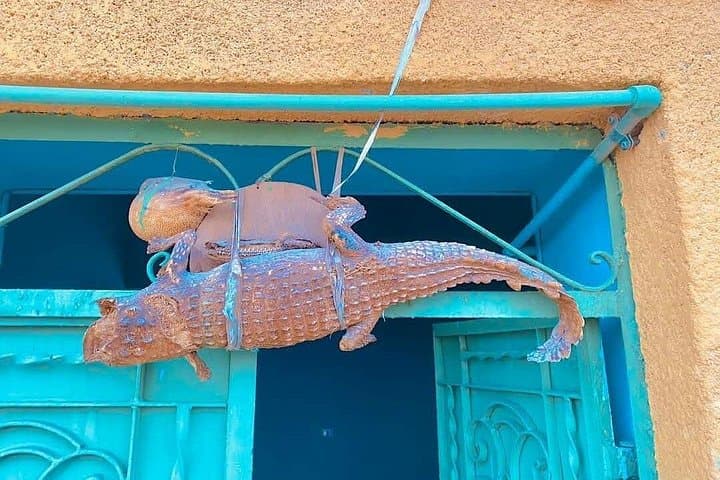
The Crocodile House displays animals that once belonged in the riverine ecosystem and offers a focused look at conservation and traditional mythology around the crocodile god Sobek. Conversation over a home-brewed cup of tea is the core of the visit — a chance to hear first-hand stories about family life, dyeing and pottery practices, and the changing rhythms of riverside commerce.
Practical guidance: tours run about three hours and include a motorboat transfer; light walking on uneven village lanes is standard. Go early in the day to avoid heat, bring sun protection and cash for small purchases, and respect photography requests. The experience is accessible for most fitness levels and rewards patient listening and curiosity.
easy.
2–3 hours.
Suitable for most fitness levels; involves short periods of walking on uneven ground and getting on/off a small boat.
The excursion lasts about three hours, including the boat transfer, tea in a Nubian home and time to explore Sohail on foot.
Yes; the Crocodile House is a managed exhibit. Staff maintain enclosures for viewing—follow posted safety instructions and keep children close.
Round-trip transfer is commonly included when booked from Aswan hotels or cruise ships; confirm pickup details at booking.
Yes—this is family-friendly. Infant seats may be available; check with the operator if you need special accommodations.
Nubian culture in the Aswan region has ancient roots and was significantly affected by resettlement after the construction of the Aswan High Dam in the mid-20th century; Elephantine Island nearby preserves layers of that history.
Support local families by buying directly from artisans and minimize plastics; the crocodile facility focuses on education about river species and the importance of habitat protection.
Taharka tours operates guided outdoor trips and adventures with an emphasis on safety, stewardship, and memorable experiences.
The motorboat slips away from Aswan’s riverfront and the city’s sandstone outlines blur into the warm horizon. The Nile opens into a calm corridor; palms lean like sentries as you cross toward Sohail and the small congregations of brightly painted homes. Stepping ashore feels immediate — dust underfoot, children’s voices, and the smell of brewing tea drawing you down a narrow lane toward a family courtyard.
The motorboat slips away from Aswan’s riverfront and the city’s sandstone outlines blur into the warm horizon. The Nile opens into a calm corridor; palms lean like sentries as you cross toward Sohail and the small congregations of brightly painted homes. Stepping ashore feels immediate — dust underfoot, children’s voices, and the smell of brewing tea drawing you down a narrow lane toward a family courtyard.
Sohail’s painted façades are modern expressions of an ancient culture. Nubian people have occupied the Nile’s southern reaches for millennia with distinct language, crafts and social rhythms that survived resettlement in the 20th century after the building of the Aswan High Dam. Nearby Elephantine Island holds archaeological layers from prehistoric settlements to Pharaonic trading posts, a reminder of how the Nile shaped human life here.
The Crocodile House displays animals that once belonged in the riverine ecosystem and offers a focused look at conservation and traditional mythology around the crocodile god Sobek. Conversation over a home-brewed cup of tea is the core of the visit — a chance to hear first-hand stories about family life, dyeing and pottery practices, and the changing rhythms of riverside commerce.
Practical guidance: tours run about three hours and include a motorboat transfer; light walking on uneven village lanes is standard. Go early in the day to avoid heat, bring sun protection and cash for small purchases, and respect photography requests. The experience is accessible for most fitness levels and rewards patient listening and curiosity.