THE ADVENTURE COLLECTIVE® · Independent discovery and booking for outdoor travel

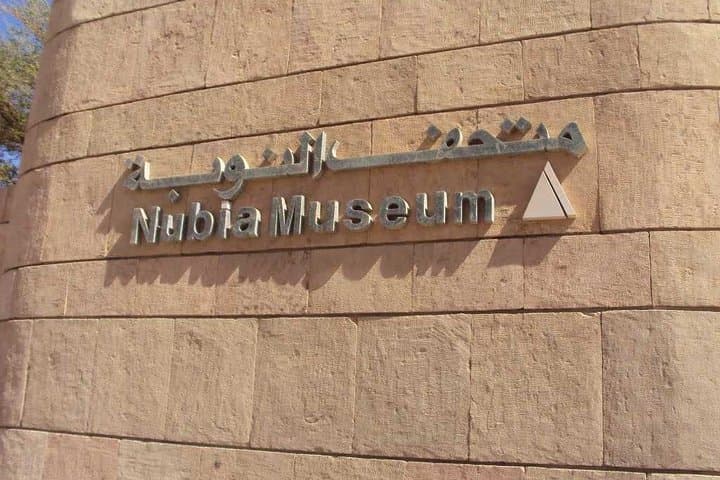
Explore Aswan's Nubian Museum with a private Egyptologist then cross the Nile to meet living Nubian culture. This half-day tour mixes rescued antiquities, striking museum architecture, and optional village visits for a compact cultural immersion.
Explore Aswan's Nubian Museum with a private Egyptologist then cross the Nile to meet living Nubian culture. This half-day tour mixes rescued antiquities, striking museum architecture, and optional village visits for a compact cultural immersion.
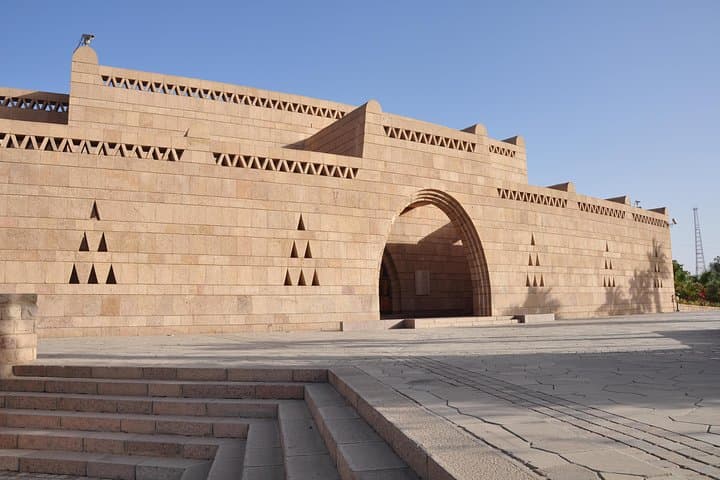
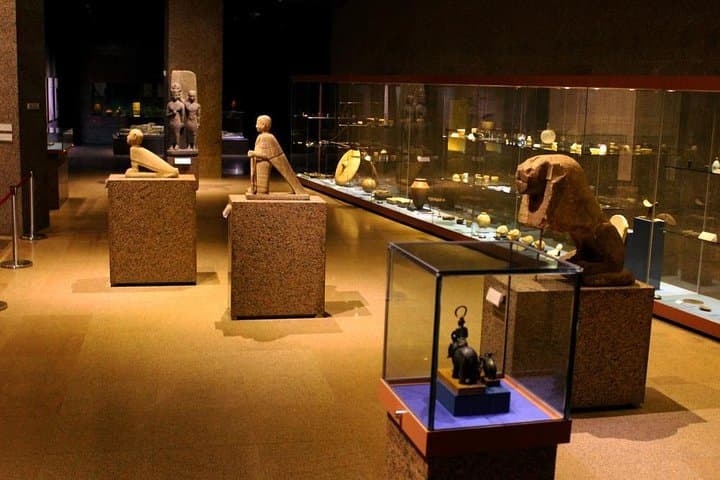
You step from the car into Aswan heat and a breeze off the Nile that seems to pull the city together — tile roofs, palm fronds, and ochre museum walls that curve like traditional Nubian houses. An Egyptologist meets you at the gate and guides the route through galleries of rescued tomb reliefs, brightly painted ceramics, and life-size reconstructions recovered after the High Dam reshaped the Nile.
Verified experiences and guided adventures in the surrounding area.
Operated by Sunrise Tours · Aswan, Aswan Governorate
You step from the car into Aswan heat and a breeze off the Nile that seems to pull the city together — tile roofs, palm fronds, and ochre museum walls that curve like traditional Nubian houses. An Egyptologist meets you at the gate and guides the route through galleries of rescued tomb reliefs, brightly painted ceramics, and life-size reconstructions recovered after the High Dam reshaped the Nile.
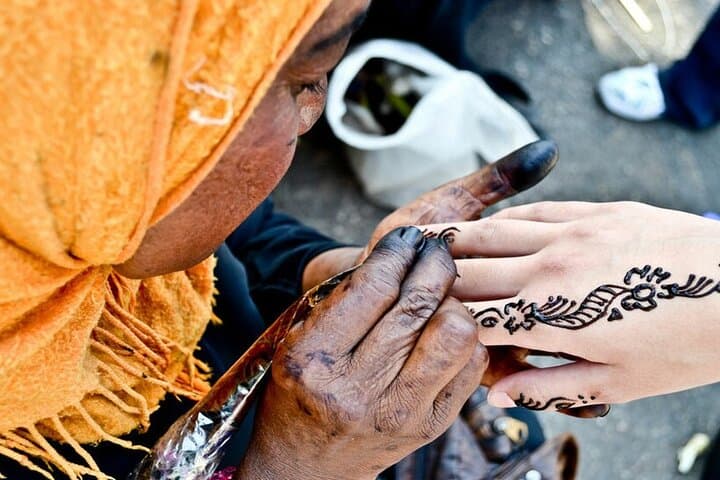
The Nubian Museum opened in 1997 after UNESCO spearheaded a salvage campaign to save monuments and movable antiquities from the rising waters of Lake Nasser. Its low-lying terraces, stepped waterfalls, and an amphitheater recall Nubian village lines once found along the southern Nile. Beyond the displays, the tour often includes a short felucca or motorboat crossing to a living Nubian settlement where painted homes, woven mats, and tea with locals reveal contemporary traditions that continue alongside ancient artifacts.
Expect a balanced half-day rhythm: guided highlights, a stretch of free exploration inside the museum, and an optional village visit or boat ride. Practicalities matter here — museum entry is typically a separate fee, heat is a constant in summer, and bargaining at local khans is normal. Wear comfortable walking shoes, sun protection, and modest clothing for village visits. Bring small cash for souvenirs and tipping; confirm hotel pickup ahead of time. The experience pairs cultural depth with accessible logistics, making it a clear choice for travelers seeking context-rich history without a strenuous itinerary.
easy.
5 hours.
Suitable for most travelers with basic mobility; involves walking on paved museum paths and short village strolls.
Museum admission is typically not included; confirm with the operator ahead of booking so you can pay entrance fees on arrival.
Yes, the village visit and a short felucca or motorboat crossing are usually optional elements; select that option when booking or tell your guide on the day.
The museum and transportation options are wheelchair accessible, but village lanes and boat access may be uneven; check specifics with the operator if mobility is a concern.
Yes, the tour is family friendly and suitable for children; guides often tailor storytelling and pacing for younger visitors.
The museum was built after the 1960s High Dam project and UNESCO salvage efforts relocated and conserved Nubian artifacts threatened by Lake Nasser.
Supporting local crafts and visiting community-run stalls helps sustain living Nubian traditions; avoid single-use plastics and follow local guidance when photographing residents.
Sunrise Tours operates guided outdoor trips and adventures with an emphasis on safety, stewardship, and memorable experiences.
You step from the car into Aswan heat and a breeze off the Nile that seems to pull the city together — tile roofs, palm fronds, and ochre museum walls that curve like traditional Nubian houses. An Egyptologist meets you at the gate and guides the route through galleries of rescued tomb reliefs, brightly painted ceramics, and life-size reconstructions recovered after the High Dam reshaped the Nile.
You step from the car into Aswan heat and a breeze off the Nile that seems to pull the city together — tile roofs, palm fronds, and ochre museum walls that curve like traditional Nubian houses. An Egyptologist meets you at the gate and guides the route through galleries of rescued tomb reliefs, brightly painted ceramics, and life-size reconstructions recovered after the High Dam reshaped the Nile.
The Nubian Museum opened in 1997 after UNESCO spearheaded a salvage campaign to save monuments and movable antiquities from the rising waters of Lake Nasser. Its low-lying terraces, stepped waterfalls, and an amphitheater recall Nubian village lines once found along the southern Nile. Beyond the displays, the tour often includes a short felucca or motorboat crossing to a living Nubian settlement where painted homes, woven mats, and tea with locals reveal contemporary traditions that continue alongside ancient artifacts.
Expect a balanced half-day rhythm: guided highlights, a stretch of free exploration inside the museum, and an optional village visit or boat ride. Practicalities matter here — museum entry is typically a separate fee, heat is a constant in summer, and bargaining at local khans is normal. Wear comfortable walking shoes, sun protection, and modest clothing for village visits. Bring small cash for souvenirs and tipping; confirm hotel pickup ahead of time. The experience pairs cultural depth with accessible logistics, making it a clear choice for travelers seeking context-rich history without a strenuous itinerary.