THE ADVENTURE COLLECTIVE® · Independent discovery and booking for outdoor travel

Spend a day from Aswan visiting the High Dam, the relocated Philae Temple, and a colorful Nubian village. This full-day trip blends engineering history, ancient temples, and authentic local encounters.
Spend a day from Aswan visiting the High Dam, the relocated Philae Temple, and a colorful Nubian village. This full-day trip blends engineering history, ancient temples, and authentic local encounters.
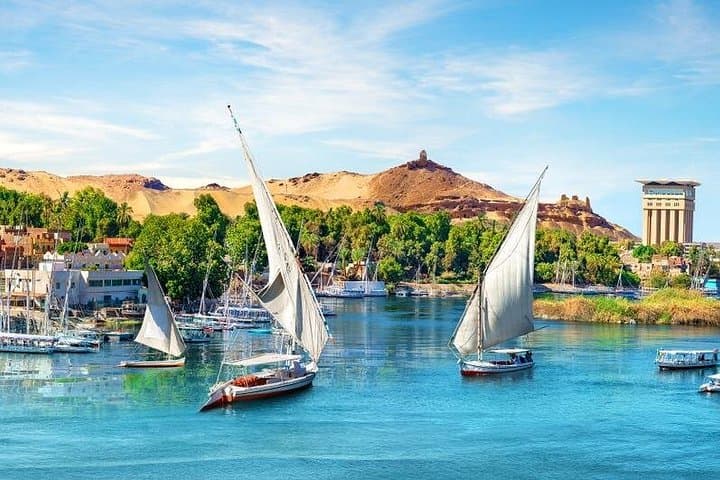
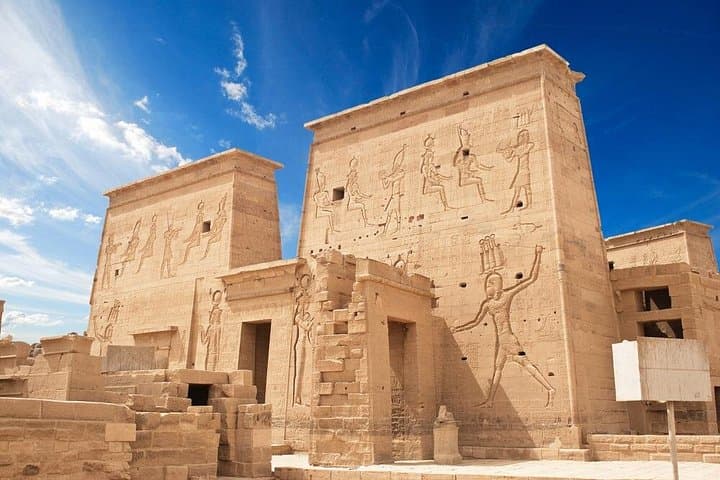
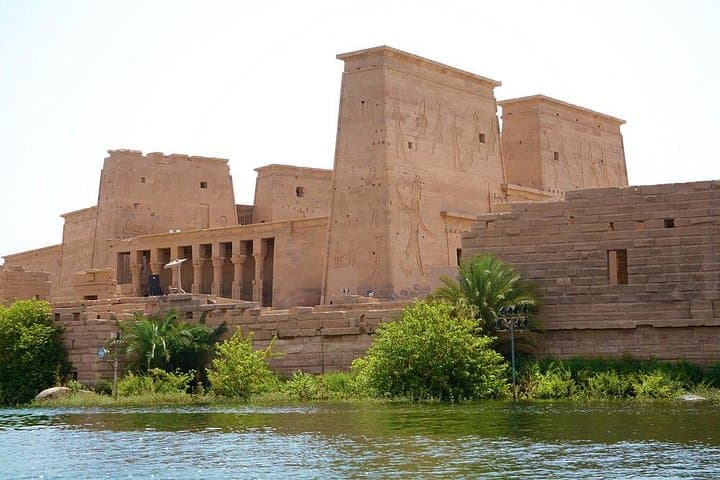
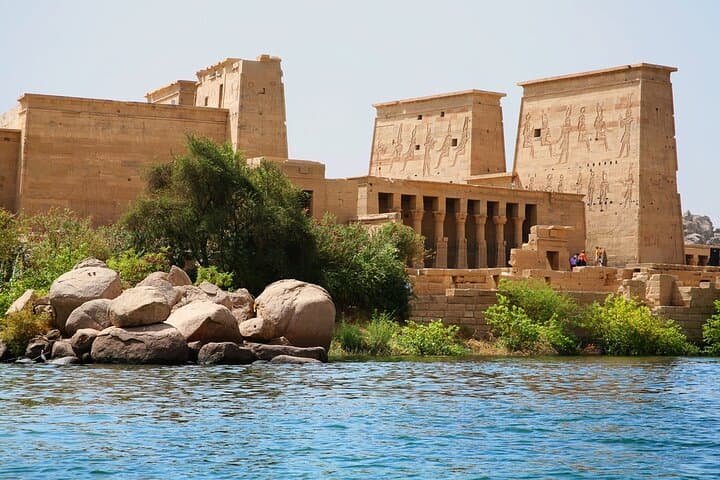
A warm morning wind from the Nile cuts across the road as your guide waits at the hotel door. The city of Aswan unfurls slowly—traders rolling up awnings, feluccas drifting on the river—before you climb into an air-conditioned vehicle bound for the High Dam and the islands beyond. By mid-morning you’re on the water again, the boat tilting as it threads channels toward Philae; granite cliffs pass like punctuation marks, and the temple’s stone columns appear rising from a low island, weathered and precise.
Verified experiences and guided adventures in the surrounding area.
Operated by Luxor Travels · Aswan, Aswan Governorate
A warm morning wind from the Nile cuts across the road as your guide waits at the hotel door. The city of Aswan unfurls slowly—traders rolling up awnings, feluccas drifting on the river—before you climb into an air-conditioned vehicle bound for the High Dam and the islands beyond. By mid-morning you’re on the water again, the boat tilting as it threads channels toward Philae; granite cliffs pass like punctuation marks, and the temple’s stone columns appear rising from a low island, weathered and precise.
The tour stitches together modern engineering and ancient devotion. The Aswan High Dam, completed in the 1960s, reshaped the Nile’s floodplain and Egypt’s energy map. Philae Temple—dedicated to Isis—was carefully dismantled and rebuilt on Agilkia Island in the 1960s to escape inundation when the old Philae was flooded. Beyond these landmarks, Gharb Soheil’s painted Nubian houses and family visits offer a close-up of living culture: hospitality, handcrafted ceramics, and stories in both Arabic and Nubian dialects.
Expect a full day—roughly 8–10 hours—with easy to moderate walking on uneven stone and short boat transfers. Bring sun protection, a refillable water bottle, modest clothing for temple visits, and small notes for tips—"baksheesh" remains common practice. Photography is welcomed but be discreet in homes. Timing matters: mornings are cooler and less crowded at Philae; late afternoons glow but can be windy on the river.
Practical edge: wear sturdy, grippy shoes for temple steps, keep valuables secure on boats, and confirm pickup time the evening before. This is a compact, culturally rich day that pairs historical context with on-the-ground local encounters.
moderate.
8–10 hours.
Suitable for most travelers who can handle several short walks and steps; minimal sustained exertion required.
Yes; this tour includes entrance tickets and transport, per the booking description.
Pickup and drop-off from Aswan hotels are included; confirm your pickup point when you book.
The tour is rated easy for fitness, but Philae and village areas have steps and uneven surfaces; mobility aids may be challenging on boats and at temple steps.
Tipping is customary in Egypt; small notes for guides, drivers, and family hosts are appreciated—ask your Egyptologist guide for suggested amounts.
The Aswan High Dam (1960s) transformed Egypt’s agriculture and power generation; Philae was relocated to Agilkia Island to protect it from the dam’s reservoir.
Relocation projects and UNESCO involvement preserved Philae, but visitor impacts and river pollution remain local concerns; use refillable water and follow guide instructions to minimize footprint.
Luxor Travels operates guided outdoor trips and adventures with an emphasis on safety, stewardship, and memorable experiences.
A warm morning wind from the Nile cuts across the road as your guide waits at the hotel door. The city of Aswan unfurls slowly—traders rolling up awnings, feluccas drifting on the river—before you climb into an air-conditioned vehicle bound for the High Dam and the islands beyond. By mid-morning you’re on the water again, the boat tilting as it threads channels toward Philae; granite cliffs pass like punctuation marks, and the temple’s stone columns appear rising from a low island, weathered and precise.
A warm morning wind from the Nile cuts across the road as your guide waits at the hotel door. The city of Aswan unfurls slowly—traders rolling up awnings, feluccas drifting on the river—before you climb into an air-conditioned vehicle bound for the High Dam and the islands beyond. By mid-morning you’re on the water again, the boat tilting as it threads channels toward Philae; granite cliffs pass like punctuation marks, and the temple’s stone columns appear rising from a low island, weathered and precise.
The tour stitches together modern engineering and ancient devotion. The Aswan High Dam, completed in the 1960s, reshaped the Nile’s floodplain and Egypt’s energy map. Philae Temple—dedicated to Isis—was carefully dismantled and rebuilt on Agilkia Island in the 1960s to escape inundation when the old Philae was flooded. Beyond these landmarks, Gharb Soheil’s painted Nubian houses and family visits offer a close-up of living culture: hospitality, handcrafted ceramics, and stories in both Arabic and Nubian dialects.
Expect a full day—roughly 8–10 hours—with easy to moderate walking on uneven stone and short boat transfers. Bring sun protection, a refillable water bottle, modest clothing for temple visits, and small notes for tips—"baksheesh" remains common practice. Photography is welcomed but be discreet in homes. Timing matters: mornings are cooler and less crowded at Philae; late afternoons glow but can be windy on the river.
Practical edge: wear sturdy, grippy shoes for temple steps, keep valuables secure on boats, and confirm pickup time the evening before. This is a compact, culturally rich day that pairs historical context with on-the-ground local encounters.