THE ADVENTURE COLLECTIVE® · Independent discovery and booking for outdoor travel

Covering Aswan and Luxor in 48 hours, this flight-based itinerary pairs the modern achievement of the High Dam with Abu Simbel’s colossi and Luxor’s tombs. Expect early departures, guided archaeology, and concentrated walking through iconic pharaonic sites.
Covering Aswan and Luxor in 48 hours, this flight-based itinerary pairs the modern achievement of the High Dam with Abu Simbel’s colossi and Luxor’s tombs. Expect early departures, guided archaeology, and concentrated walking through iconic pharaonic sites.
Morning light hits the Nile before most of Cairo wakes: travelers leave the city at 03:00 and by mid-morning find themselves in the wide, ochre-colored valley around Aswan. Boats cut the river like pencils, then the High Dam rises — a modern wall holding back millennia of seasonal flood.
Verified experiences and guided adventures in the surrounding area.
Operated by Egypt Unlimited Tours · Aswan, Aswan Governorate
Morning light hits the Nile before most of Cairo wakes: travelers leave the city at 03:00 and by mid-morning find themselves in the wide, ochre-colored valley around Aswan. Boats cut the river like pencils, then the High Dam rises — a modern wall holding back millennia of seasonal flood.
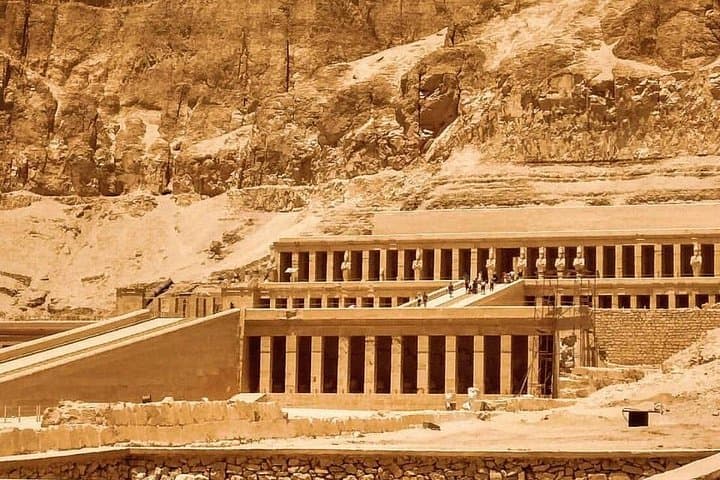
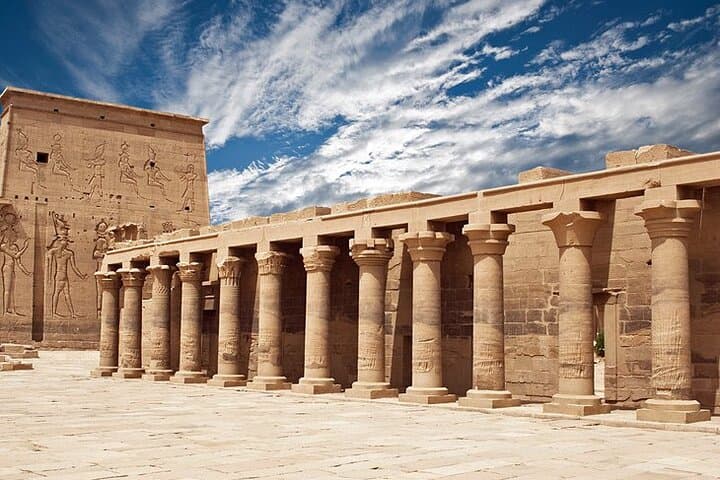
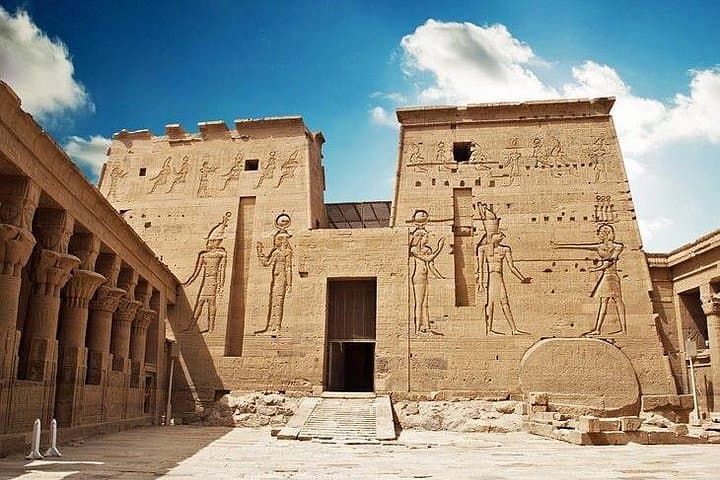
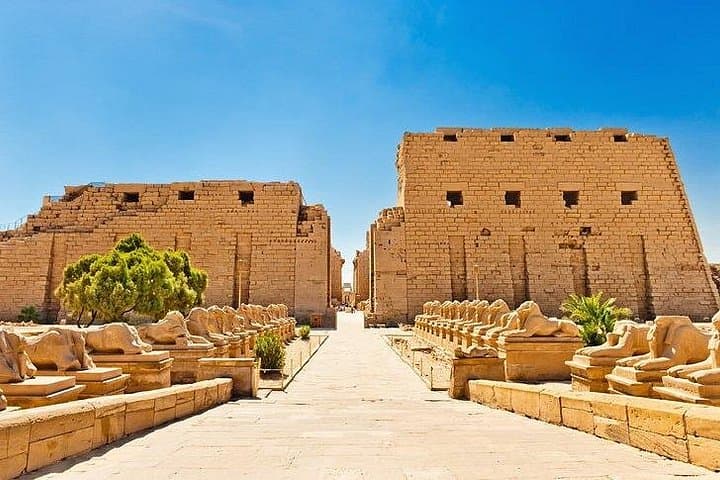
This two-day itinerary stitches modern engineering to millennia-old stone. Philae Temple, moved island-by-island to escape the dam’s reservoir, still breathes Isis stories from its colonnades; Abu Simbel’s colossal statues stare south with the authority of Ramesses II; in Luxor the Valley of the Kings opens into cool, frescoed tomb chambers while Karnak’s avenue of ram-headed sphinxes channels centuries of ritual power.
Geology is visible in the city’s granite quarries and the soft Nile silt that made agriculture possible here; culture is visible in the continuing customs of boat travel and market trade along the river. Local guides (Egyptologists) translate hieroglyphs into human stories and explain why temples align to sunrises and flood cycles.
Practical guidance: expect early starts, long vehicle transfers, and several short, uneven walks at archaeological sites — not technical hikes, but bring sturdy shoes. Temperatures can swing dramatically between shade and sun; water and sun protection are essential. Passports and printed/ mobile tickets are required for flights and some tomb entries. Plan sightseeing order by flight times: Aswan first day, overnight in Aswan, Luxor on day two before returning to Cairo.
Respect the sites: no flash photography in many tombs, avoid touching reliefs, and keep litter contained for this fragile desert-river ecosystem. With efficient logistics and a knowledgeable guide, two days deliver a concentrated, sensory run through Egypt’s pharaonic highlights.
easy.
2 days.
Light baseline fitness required—comfortable walking for 1–3 hours across two days with short stair sections.
Yes — round-trip flights are included: Cairo to Aswan on day one and Luxor to Cairo on day two as specified in the package.
Expect moderate walking across mostly flat archaeological sites with occasional stairs and ramps; the tour notes wheelchair accessibility but some tombs have narrow or stepped entrances.
Abu Simbel is part of the packaged itinerary via private vehicle from Aswan; independent visits are possible but would require separate arrangements and potentially different timing.
Smart-casual is recommended; dress modestly out of respect—shoulders and knees covered for women and men when visiting religious or cultural sites.
Many temples here were intentionally relocated or conserved during the 1960s Aswan High Dam project—Abu Simbel and Philae were dismantled and rebuilt to preserve them from flooding.
Rising visitation stresses fragile stone and desert flora—avoid touching carvings, carry out waste, and use bottled water sparingly to reduce plastic waste.
Egypt Unlimited Tours operates guided outdoor trips and adventures with an emphasis on safety, stewardship, and memorable experiences.
Morning light hits the Nile before most of Cairo wakes: travelers leave the city at 03:00 and by mid-morning find themselves in the wide, ochre-colored valley around Aswan. Boats cut the river like pencils, then the High Dam rises — a modern wall holding back millennia of seasonal flood.
Morning light hits the Nile before most of Cairo wakes: travelers leave the city at 03:00 and by mid-morning find themselves in the wide, ochre-colored valley around Aswan. Boats cut the river like pencils, then the High Dam rises — a modern wall holding back millennia of seasonal flood.
This two-day itinerary stitches modern engineering to millennia-old stone. Philae Temple, moved island-by-island to escape the dam’s reservoir, still breathes Isis stories from its colonnades; Abu Simbel’s colossal statues stare south with the authority of Ramesses II; in Luxor the Valley of the Kings opens into cool, frescoed tomb chambers while Karnak’s avenue of ram-headed sphinxes channels centuries of ritual power.
Geology is visible in the city’s granite quarries and the soft Nile silt that made agriculture possible here; culture is visible in the continuing customs of boat travel and market trade along the river. Local guides (Egyptologists) translate hieroglyphs into human stories and explain why temples align to sunrises and flood cycles.
Practical guidance: expect early starts, long vehicle transfers, and several short, uneven walks at archaeological sites — not technical hikes, but bring sturdy shoes. Temperatures can swing dramatically between shade and sun; water and sun protection are essential. Passports and printed/ mobile tickets are required for flights and some tomb entries. Plan sightseeing order by flight times: Aswan first day, overnight in Aswan, Luxor on day two before returning to Cairo.
Respect the sites: no flash photography in many tombs, avoid touching reliefs, and keep litter contained for this fragile desert-river ecosystem. With efficient logistics and a knowledgeable guide, two days deliver a concentrated, sensory run through Egypt’s pharaonic highlights.