THE ADVENTURE COLLECTIVE® · Independent discovery and booking for outdoor travel

Ride the early train from Luxor to Aswan for a full day of engineering feats, island temples and a visit with a Nubian family. This private tour combines the High Dam, Philae Temple and the Unfinished Obelisk with a slow motorboat ride and cultural exchange.
Ride the early train from Luxor to Aswan for a full day of engineering feats, island temples and a visit with a Nubian family. This private tour combines the High Dam, Philae Temple and the Unfinished Obelisk with a slow motorboat ride and cultural exchange.
Aboard the first morning train from Luxor the desert begins to roll out in low, ochre waves and the Nile glitters like a strip of promise. The carriage rocks and the landscape tightens into granite outcrops as you approach Aswan, a working river town where ancient stone and modern engineering meet.
Verified experiences and guided adventures in the surrounding area.
Operated by Egypt Lifetime Tours · Aswan, Aswan Governorate
Aboard the first morning train from Luxor the desert begins to roll out in low, ochre waves and the Nile glitters like a strip of promise. The carriage rocks and the landscape tightens into granite outcrops as you approach Aswan, a working river town where ancient stone and modern engineering meet.
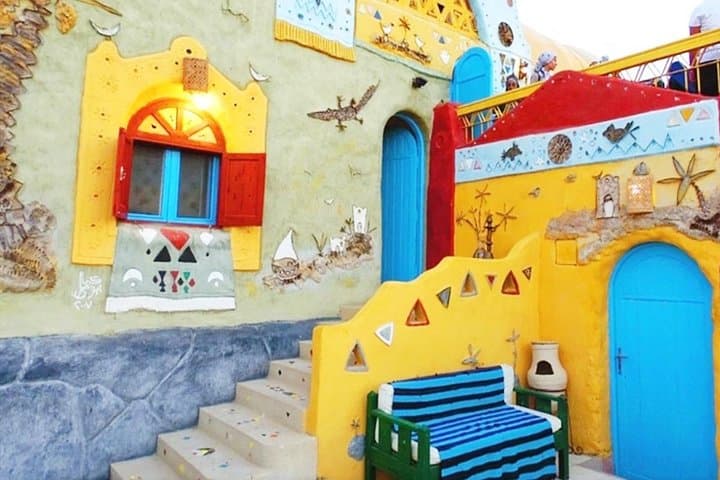
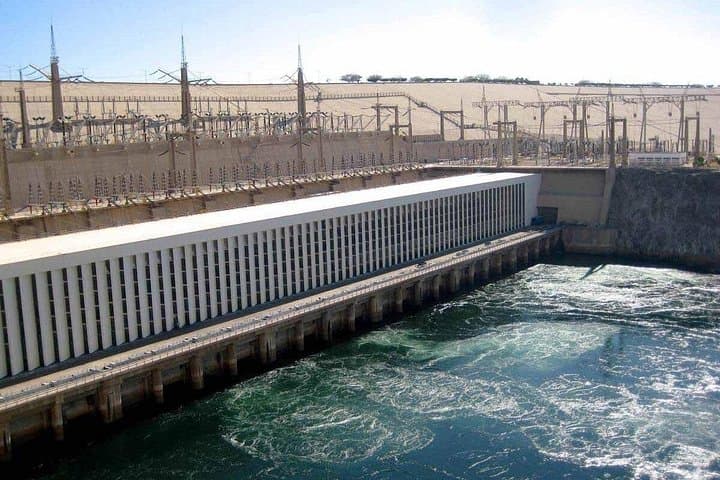
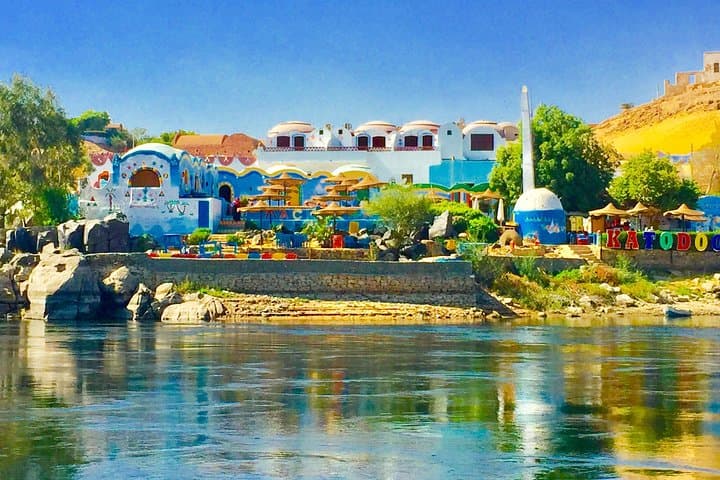
Start at the High Dam—a mid-20th-century megaproject built to control the Nile and generate electricity—then move onto the Greco-Roman Philae complex, restored on Agilkia Island after the original site was flooded. The unfinished obelisk at the nearby quarries exposes raw granite and the ancient craft of stone-working; its fractured base explains why some ambitions never reached completion. Across the river, Soheil Island’s Nubian village offers close-up cultural exchange: painted houses, woven mats, mint tea and conversations about family life and river rhythms.
Practical edge: this is a long day—expect early pickup from Luxor, roughly three hours by train each way, and several short walks on uneven stone and dockside planks. Some entrance payments and the motorboat to Philae are commonly paid in Egyptian pounds, so carry small notes. Dress for strong sun and shifting Nile breezes: lightweight layers, sturdy walking shoes, and a hat are essential. Hydrate between stops; the guide times visits to avoid midday crowds, but temperatures peak early.
The trip blends geology, modern history and living culture—ideal for travelers who want a full, on-the-ground immersion without camping, with approachable logistics and a rewarding payoff of views, artifacts and human stories.
easy.
12–14 hours.
Suitable for travelers in average fitness; requires standing and short walks but no sustained hiking
Entrance fees are generally not included; bring card for many sites but have Egyptian pounds available for the High Dam access and motorboat payments, which often require cash.
The sitting train takes about three hours each way; the full excursion is a long day, typically 12–14 hours door-to-door.
Yes—it's rated easy physically, though it’s a long day with transfers and short walks; consider mobility needs for boat boarding and cobbled temple areas.
Some parts are accessible, and the operator notes wheelchair access, but boarding the motorboat to Philae and uneven temple surfaces may be difficult—check specifics with the operator in advance.
Aswan has been a stone and trade hub for millennia; the High Dam (1960–1970) reshaped both the river and the region’s economy, while Philae was relocated to preserve it from the reservoir.
Much of the temple rescue and relocation was driven by UNESCO; visitors are asked to minimize waste, avoid flash photography where posted, and support local families directly.
Egypt Lifetime Tours operates guided outdoor trips and adventures with an emphasis on safety, stewardship, and memorable experiences.
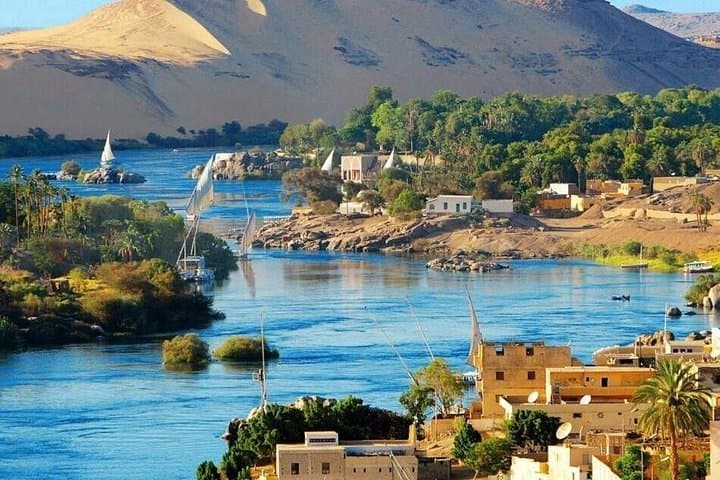
Aboard the first morning train from Luxor the desert begins to roll out in low, ochre waves and the Nile glitters like a strip of promise. The carriage rocks and the landscape tightens into granite outcrops as you approach Aswan, a working river town where ancient stone and modern engineering meet.
Aboard the first morning train from Luxor the desert begins to roll out in low, ochre waves and the Nile glitters like a strip of promise. The carriage rocks and the landscape tightens into granite outcrops as you approach Aswan, a working river town where ancient stone and modern engineering meet.
Start at the High Dam—a mid-20th-century megaproject built to control the Nile and generate electricity—then move onto the Greco-Roman Philae complex, restored on Agilkia Island after the original site was flooded. The unfinished obelisk at the nearby quarries exposes raw granite and the ancient craft of stone-working; its fractured base explains why some ambitions never reached completion. Across the river, Soheil Island’s Nubian village offers close-up cultural exchange: painted houses, woven mats, mint tea and conversations about family life and river rhythms.
Practical edge: this is a long day—expect early pickup from Luxor, roughly three hours by train each way, and several short walks on uneven stone and dockside planks. Some entrance payments and the motorboat to Philae are commonly paid in Egyptian pounds, so carry small notes. Dress for strong sun and shifting Nile breezes: lightweight layers, sturdy walking shoes, and a hat are essential. Hydrate between stops; the guide times visits to avoid midday crowds, but temperatures peak early.
The trip blends geology, modern history and living culture—ideal for travelers who want a full, on-the-ground immersion without camping, with approachable logistics and a rewarding payoff of views, artifacts and human stories.