THE ADVENTURE COLLECTIVE® · Independent discovery and booking for outdoor travel

Half a day in Aswan brings you face-to-face with Philae’s island temple, the raw quarry of the Unfinished Obelisk, and the monumental High Dam. This private tour pairs an Egyptologist’s narration with short walks, a Nile boat transfer, and hands-on history.
Half a day in Aswan brings you face-to-face with Philae’s island temple, the raw quarry of the Unfinished Obelisk, and the monumental High Dam. This private tour pairs an Egyptologist’s narration with short walks, a Nile boat transfer, and hands-on history.
You step from an air-conditioned car onto the hot stone of Aswan’s river edge; the Nile in front of you seems to dare you to slow down. A short motorboat cuts across glassy water toward Agilkia Island where Philae’s stone colonnades rise like a memory resisting the modern horizon. The guide’s voice folds in dates and names—Isis, Hatshepsut, Justinian—while granite and sandstone keep their quiet.
Verified experiences and guided adventures in the surrounding area.
Operated by Luxor Booking Tours · Aswan, Aswan Governorate
You step from an air-conditioned car onto the hot stone of Aswan’s river edge; the Nile in front of you seems to dare you to slow down. A short motorboat cuts across glassy water toward Agilkia Island where Philae’s stone colonnades rise like a memory resisting the modern horizon. The guide’s voice folds in dates and names—Isis, Hatshepsut, Justinian—while granite and sandstone keep their quiet.
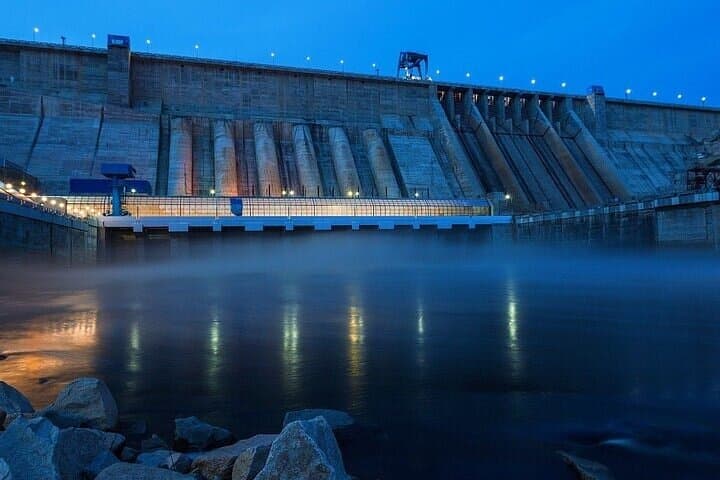
Philae was rescued from rising waters during the 1960s UNESCO relocation, its blocks reassembled on higher ground after the High Dam reshaped the river and created Lake Nasser. The Unfinished Obelisk at the ancient quarry reveals ancient quarrying techniques: a monolith split from bedrock and abandoned when cracks appeared, offering a rare look at work-in-progress engineering. The High Dam itself is modern scale made visible—3600 meters long and 111 meters tall—an emblem of mid-20th-century ambition that altered Nile ecology and Egypt’s agricultural rhythms.
Expect short guided walks, a motorboat transfer to Philae, and brief stops at open-air sites with uneven stone and loose gravel. Cultural notes: modest dress is customary at temple sites and you'll hear stories that blend pharaonic ritual with 20th-century geopolitics.
Practical guidance: go early to avoid heat and crowds, carry water and sun protection, and wear grippy shoes for uneven ground. Photography is permitted at most outdoor sites but check signage for restricted interiors. The half-day format makes this a concentrated, transport-inclusive way to see Aswan’s layered past and its profound engineering present.
easy.
5 hours.
Suitable for travelers with basic mobility; involves short walks and boarding a motorboat.
Entrance fees are typically not included—confirm with the operator and have local currency or card available for site tickets.
Yes, this itinerary includes a short motorboat transfer to Agilkia Island as part of the guided visit to Philae.
The tour is rated easy and suitable for most ages, but expect uneven ground and stairs at temple sites; request assistance or reduced walking routes if needed.
Standard policy allows a full refund if canceled at least 24 hours before departure; check your confirmation for operator-specific terms.
The High Dam (completed 1970) reshaped the Nile’s flow and prompted the UNESCO-led relocation of Philae’s monuments to prevent submersion during Lake Nasser’s creation.
Tourism and water management have strained local ecosystems; visitors can reduce impact by staying on paths, avoiding single-use plastics, and supporting local guides who follow site protections.
Luxor Booking Tours operates guided outdoor trips and adventures with an emphasis on safety, stewardship, and memorable experiences.
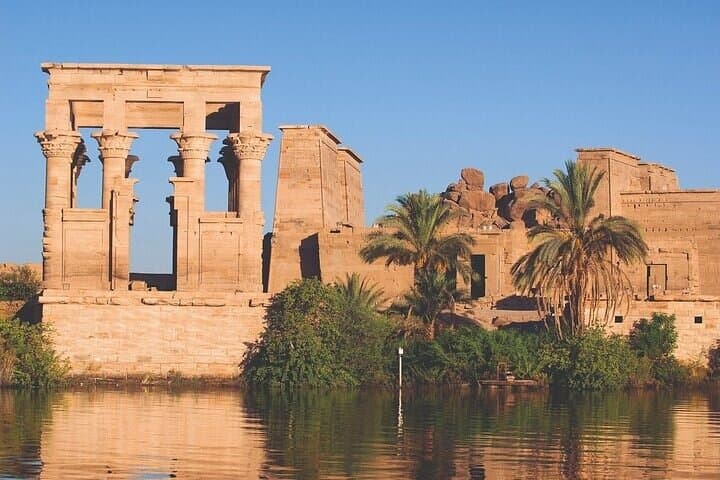
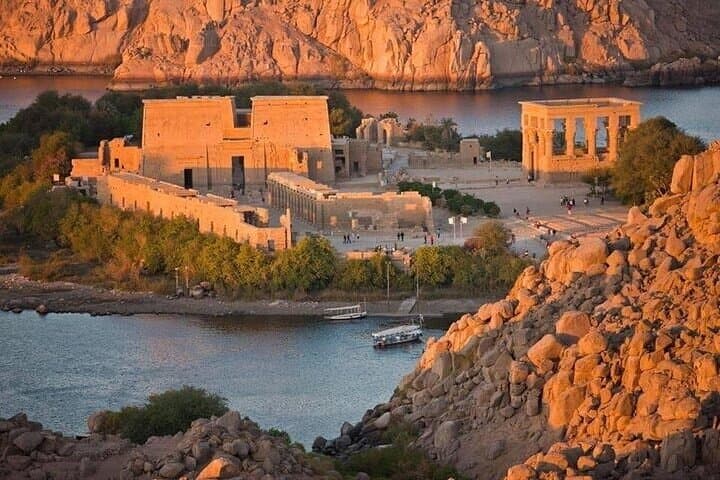
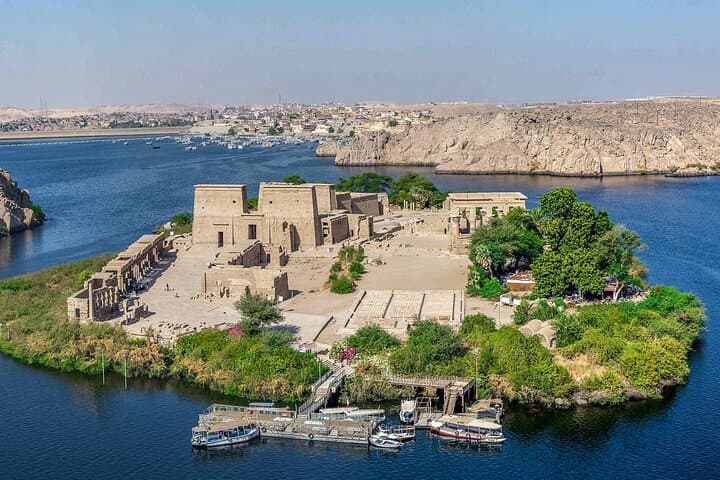
You step from an air-conditioned car onto the hot stone of Aswan’s river edge; the Nile in front of you seems to dare you to slow down. A short motorboat cuts across glassy water toward Agilkia Island where Philae’s stone colonnades rise like a memory resisting the modern horizon. The guide’s voice folds in dates and names—Isis, Hatshepsut, Justinian—while granite and sandstone keep their quiet.
You step from an air-conditioned car onto the hot stone of Aswan’s river edge; the Nile in front of you seems to dare you to slow down. A short motorboat cuts across glassy water toward Agilkia Island where Philae’s stone colonnades rise like a memory resisting the modern horizon. The guide’s voice folds in dates and names—Isis, Hatshepsut, Justinian—while granite and sandstone keep their quiet.
Philae was rescued from rising waters during the 1960s UNESCO relocation, its blocks reassembled on higher ground after the High Dam reshaped the river and created Lake Nasser. The Unfinished Obelisk at the ancient quarry reveals ancient quarrying techniques: a monolith split from bedrock and abandoned when cracks appeared, offering a rare look at work-in-progress engineering. The High Dam itself is modern scale made visible—3600 meters long and 111 meters tall—an emblem of mid-20th-century ambition that altered Nile ecology and Egypt’s agricultural rhythms.
Expect short guided walks, a motorboat transfer to Philae, and brief stops at open-air sites with uneven stone and loose gravel. Cultural notes: modest dress is customary at temple sites and you'll hear stories that blend pharaonic ritual with 20th-century geopolitics.
Practical guidance: go early to avoid heat and crowds, carry water and sun protection, and wear grippy shoes for uneven ground. Photography is permitted at most outdoor sites but check signage for restricted interiors. The half-day format makes this a concentrated, transport-inclusive way to see Aswan’s layered past and its profound engineering present.