THE ADVENTURE COLLECTIVE® · Independent discovery and booking for outdoor travel

Board a traditional felucca and drift among the Nile’s Cataract Islands for three hours of close-up birding. Explore Lord Kitchener’s Island with an expert guide and watch kingfishers, herons, and sunbirds where river currents and cultivated gardens meet.
Board a traditional felucca and drift among the Nile’s Cataract Islands for three hours of close-up birding. Explore Lord Kitchener’s Island with an expert guide and watch kingfishers, herons, and sunbirds where river currents and cultivated gardens meet.
The felucca slips away from Aswan’s dock with a soft sigh of canvas; the Nile pulls the boat eastward and the city’s sandstone buildings shrink into a warm line. Reeds and flowering shrubs on the Cataract Islands lean toward the water as herons and kingfishers mark the shoreline—each call and flash of plumage a live map of the river’s life.
Verified experiences and guided adventures in the surrounding area.
Operated by Sunrise Tours · Aswan, Aswan Governorate
The felucca slips away from Aswan’s dock with a soft sigh of canvas; the Nile pulls the boat eastward and the city’s sandstone buildings shrink into a warm line. Reeds and flowering shrubs on the Cataract Islands lean toward the water as herons and kingfishers mark the shoreline—each call and flash of plumage a live map of the river’s life.
This three-hour outing centers on Lord Kitchener’s Island and the smaller cataract isles where seasonal floodplain soils and ancient Nile currents have created pockets of dense vegetation. The island’s botanical history—expanded in the late 19th century as a horticultural experiment—explains the unusual mix of hibiscus, acacia and bougainvillea you’ll pass. Locals have long used these islands for fishing, shade and small-scale cultivation; the tour threads natural history with human use of the river.
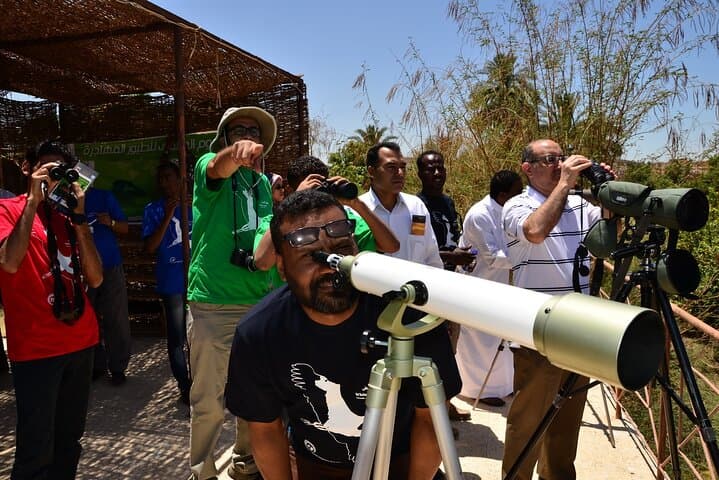
Most of the trip is gentle observation: your guide locates flocks, explains identification cues, and times stops where nesting or foraging is visible. Expect boots of wading birds, sunbirds flitting among bloom, and occasional kingfisher dives. Bring binoculars, sun protection, and a camera with a good zoom; boarding a small sailboat means low, rolling motion and close-to-water vantage points.
Practicalities: the tour includes pick-up and return within Aswan and bottled water onboard; it’s wheelchair-accessible with prior arrangements. Morning departures are best for bird activity and cooler light. Keep voices low near nesting zones and follow your guide’s instructions when approaching sensitive areas—these precautions protect both birds and a long-lived human relationship with the Nile.
easy.
3 hours.
Suitable for most fitness levels; requires short steps on/off a small sailboat and brief standing while observing
The private tour lasts about three hours and includes an English-speaking guide, bottled water, air-conditioned transport to/from your Aswan pickup point, and felucca cruise time.
The operator notes wheelchair-accessible transportation; contact them ahead for specific boarding assistance and any extra charges for pickups outside Aswan city.
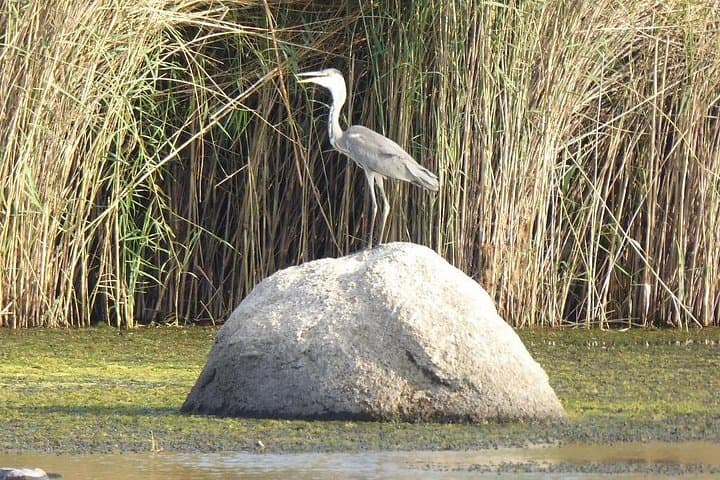
Common sightings include egrets, striated and malachite kingfishers, little bitterns, night herons, Nile Valley sunbirds and occasional bee-eaters depending on season and water levels.
Wear stable shoes for boarding, sun protection, a light layer for wind, binoculars, and a small backpack; bring any required medication and a charged camera.
Lord Kitchener’s Island was expanded in the late 19th century as a botanical garden and remains a distinct green patch in the otherwise arid cataract chain, showing colonial botanical influence along the Nile.
Visitors should avoid disturbing nesting areas and limit waste; the islands’ small ecosystems are sensitive to trampling and plastic pollution, so packing out all trash helps protect bird habitat.
Sunrise Tours operates guided outdoor trips and adventures with an emphasis on safety, stewardship, and memorable experiences.
The felucca slips away from Aswan’s dock with a soft sigh of canvas; the Nile pulls the boat eastward and the city’s sandstone buildings shrink into a warm line. Reeds and flowering shrubs on the Cataract Islands lean toward the water as herons and kingfishers mark the shoreline—each call and flash of plumage a live map of the river’s life.
The felucca slips away from Aswan’s dock with a soft sigh of canvas; the Nile pulls the boat eastward and the city’s sandstone buildings shrink into a warm line. Reeds and flowering shrubs on the Cataract Islands lean toward the water as herons and kingfishers mark the shoreline—each call and flash of plumage a live map of the river’s life.
This three-hour outing centers on Lord Kitchener’s Island and the smaller cataract isles where seasonal floodplain soils and ancient Nile currents have created pockets of dense vegetation. The island’s botanical history—expanded in the late 19th century as a horticultural experiment—explains the unusual mix of hibiscus, acacia and bougainvillea you’ll pass. Locals have long used these islands for fishing, shade and small-scale cultivation; the tour threads natural history with human use of the river.
Most of the trip is gentle observation: your guide locates flocks, explains identification cues, and times stops where nesting or foraging is visible. Expect boots of wading birds, sunbirds flitting among bloom, and occasional kingfisher dives. Bring binoculars, sun protection, and a camera with a good zoom; boarding a small sailboat means low, rolling motion and close-to-water vantage points.
Practicalities: the tour includes pick-up and return within Aswan and bottled water onboard; it’s wheelchair-accessible with prior arrangements. Morning departures are best for bird activity and cooler light. Keep voices low near nesting zones and follow your guide’s instructions when approaching sensitive areas—these precautions protect both birds and a long-lived human relationship with the Nile.