THE ADVENTURE COLLECTIVE® · Independent discovery and booking for outdoor travel

Stand on a sunlit terrace above the Nile and walk through nearly 1,500 years of Coptic history. This private day trip from Aswan visits the 6th‑century St. Simeon Monastery opposite Elephantine Island with a guide, entrance fees and hotel transfer included.
Stand on a sunlit terrace above the Nile and walk through nearly 1,500 years of Coptic history. This private day trip from Aswan visits the 6th‑century St. Simeon Monastery opposite Elephantine Island with a guide, entrance fees and hotel transfer included.
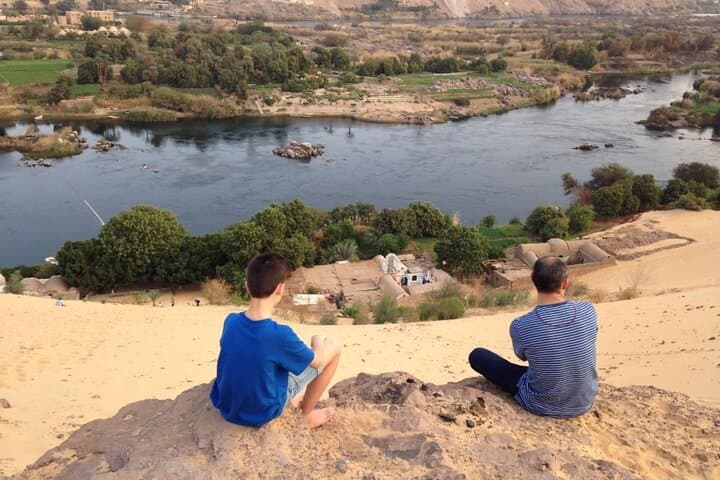
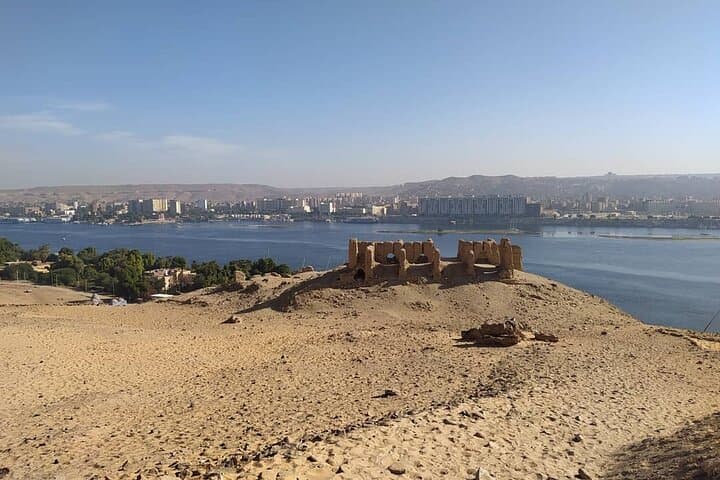
You step out of the air‑conditioned van onto a sunbaked terrace that looks across the Nile to the southern tip of Elephantine Island. Wind carries the dry scent of river mud and acacia; the monastery’s battered stone walls lean into the light like an old storyteller leaning forward.
Verified experiences and guided adventures in the surrounding area.
Operated by Sun Pyramids Tours · Aswan, Aswan Governorate
You step out of the air‑conditioned van onto a sunbaked terrace that looks across the Nile to the southern tip of Elephantine Island. Wind carries the dry scent of river mud and acacia; the monastery’s battered stone walls lean into the light like an old storyteller leaning forward.
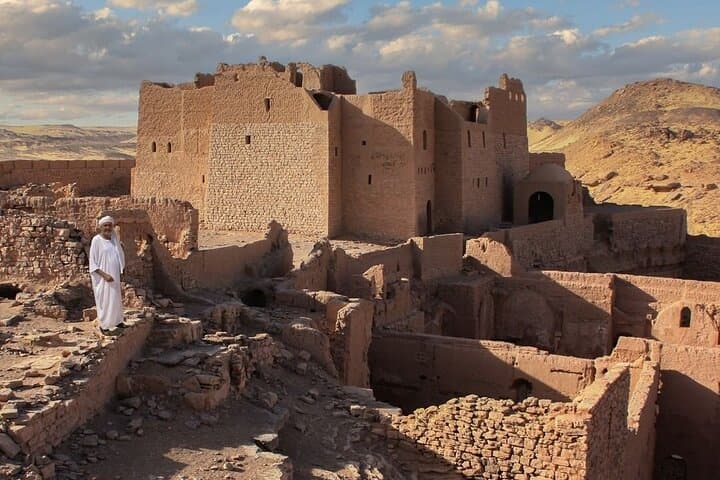
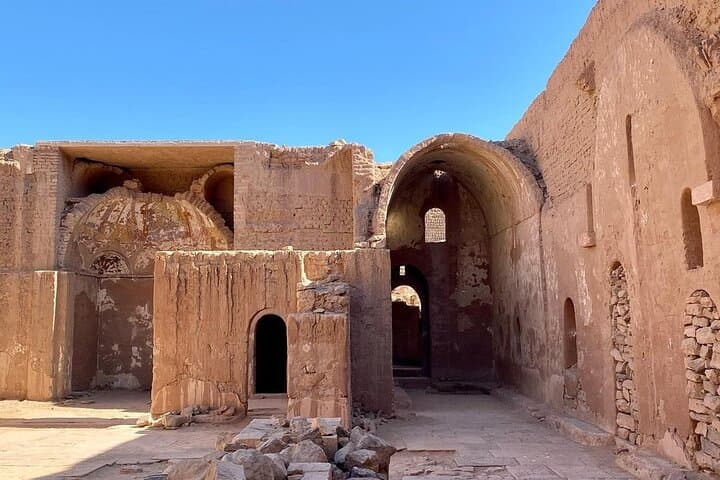
Built originally in the 6th century and later expanded, St. Simeon Monastery (once Anba Hatre) sits on a swift bend of the Nile where currents once protected monastic seclusion. The complex preserves a rare sequence of Coptic architecture — a principal church with 10th–11th century elements, narrow chapels, carved lintels and layers of lime plaster that reveal centuries of worship and flood cycles. Geologically, the site rests on Nubian sandstone and silt deposited by the river; the stone’s warm ochres catch late afternoon light.
Culturally, the monastery is a living record of Egyptian Christian life in Upper Egypt and an accessible window into Nubian religious practice. Nearby, Kitchener’s Botanical Island and the ruins on Elephantine Island reward a short exploratory detour.
Practical guidance: this private 3‑hour tour from Aswan includes hotel pickup, entrance fees, bottled water and an English Egyptologist guide. Wear closed‑toe shoes for uneven rock and compacted sand, sun protection and a light layer for sheltering inside dim churches. Aim for morning or late afternoon to avoid high sun and crowds; photography is welcome but be respectful inside chapels. Bring small change for local vendors and a modest dress code (shoulders and knees covered) when entering religious spaces. The route is short and suitable for most fitness levels, with limited walking and a couple of stepped areas to navigate.
easy.
3 hours.
Suitable for most fitness levels; short walks and some stepped areas to navigate
Yes—entrance fees to the historical sites are included in the tour price.
The experience is a 3‑hour private tour from Aswan with hotel pickup, an English Egyptologist guide, transfers, bottled water and all service charges.
The tour is suitable for most fitness levels, but there are steps and uneven surfaces; contact the operator about specific mobility needs.
Morning or late afternoon is best—to avoid high sun, enjoy softer light and cooler temperatures.
Originally called Anba Hatre, the monastery dates to the 6th century and contains a principal church with 10th–11th century elements—one of the oldest church layouts surviving in Upper Egypt.
The site is sensitive to erosion and tourism pressure; follow paths, avoid touching fragile masonry and use provided water to minimize plastic waste.
Sun Pyramids Tours operates guided outdoor trips and adventures with an emphasis on safety, stewardship, and memorable experiences.
You step out of the air‑conditioned van onto a sunbaked terrace that looks across the Nile to the southern tip of Elephantine Island. Wind carries the dry scent of river mud and acacia; the monastery’s battered stone walls lean into the light like an old storyteller leaning forward.
You step out of the air‑conditioned van onto a sunbaked terrace that looks across the Nile to the southern tip of Elephantine Island. Wind carries the dry scent of river mud and acacia; the monastery’s battered stone walls lean into the light like an old storyteller leaning forward.
Built originally in the 6th century and later expanded, St. Simeon Monastery (once Anba Hatre) sits on a swift bend of the Nile where currents once protected monastic seclusion. The complex preserves a rare sequence of Coptic architecture — a principal church with 10th–11th century elements, narrow chapels, carved lintels and layers of lime plaster that reveal centuries of worship and flood cycles. Geologically, the site rests on Nubian sandstone and silt deposited by the river; the stone’s warm ochres catch late afternoon light.
Culturally, the monastery is a living record of Egyptian Christian life in Upper Egypt and an accessible window into Nubian religious practice. Nearby, Kitchener’s Botanical Island and the ruins on Elephantine Island reward a short exploratory detour.
Practical guidance: this private 3‑hour tour from Aswan includes hotel pickup, entrance fees, bottled water and an English Egyptologist guide. Wear closed‑toe shoes for uneven rock and compacted sand, sun protection and a light layer for sheltering inside dim churches. Aim for morning or late afternoon to avoid high sun and crowds; photography is welcome but be respectful inside chapels. Bring small change for local vendors and a modest dress code (shoulders and knees covered) when entering religious spaces. The route is short and suitable for most fitness levels, with limited walking and a couple of stepped areas to navigate.