THE ADVENTURE COLLECTIVE® · Independent discovery and booking for outdoor travel

Spend a day from Aswan visiting Kom Ombo’s twin sanctuaries and the exceptionally well‑preserved temple of Horus at Edfu. This private, guided day tour combines river views, striking reliefs, and practical logistics for a manageable cultural outing.
Spend a day from Aswan visiting Kom Ombo’s twin sanctuaries and the exceptionally well‑preserved temple of Horus at Edfu. This private, guided day tour combines river views, striking reliefs, and practical logistics for a manageable cultural outing.
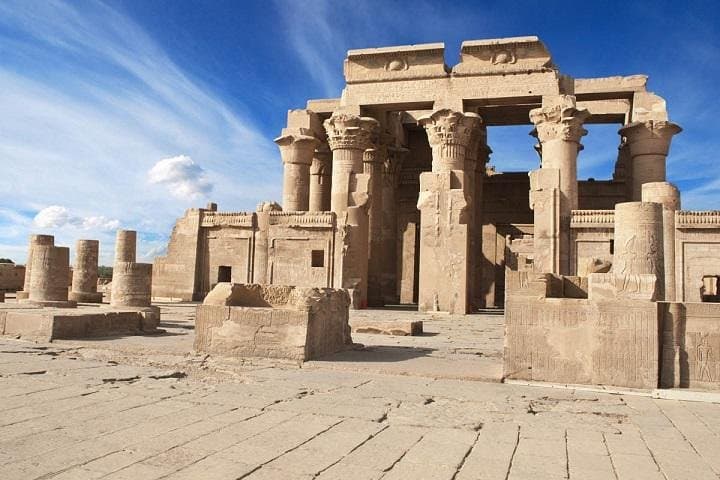
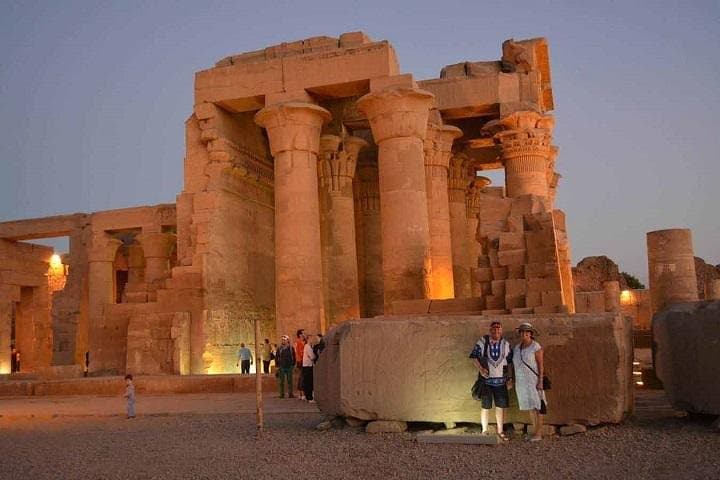
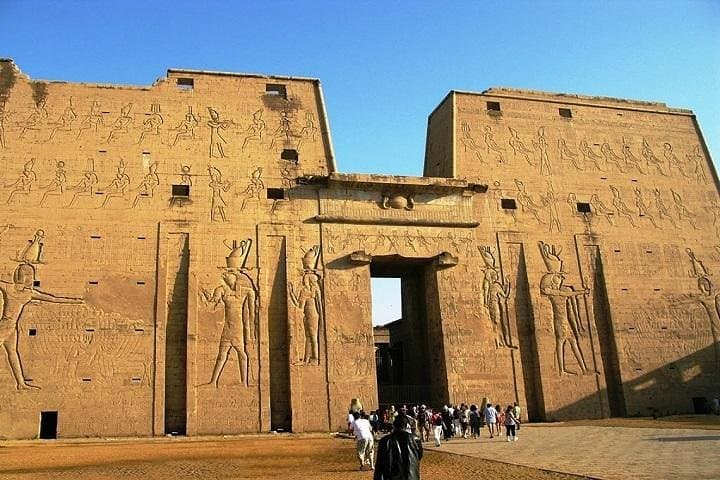
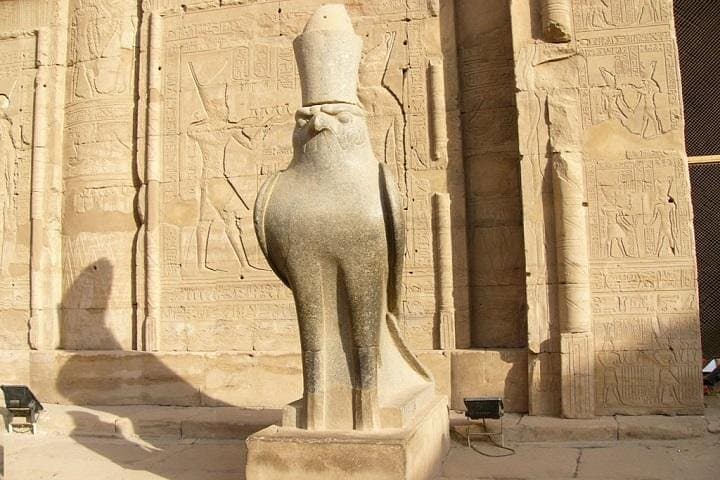
You step off the air‑conditioned van onto a pale bank of the Nile and the river immediately takes the lead — a slow, warm current that pulls the day's light over temple walls carved in shadow and sun. At Kom Ombo the temple splits like a dialogue between two gods: one side ruled by the crocodile Sobek, the other by the falcon Haroeris. Later, in Edfu the façade rises massive and intact, reliefs still crisp where mythology and politics once met.
Verified experiences and guided adventures in the surrounding area.
Operated by Oman Day Tours · Kom Ombo, Aswan Governorate
You step off the air‑conditioned van onto a pale bank of the Nile and the river immediately takes the lead — a slow, warm current that pulls the day's light over temple walls carved in shadow and sun. At Kom Ombo the temple splits like a dialogue between two gods: one side ruled by the crocodile Sobek, the other by the falcon Haroeris. Later, in Edfu the façade rises massive and intact, reliefs still crisp where mythology and politics once met.
The temples speak of a layered history: Pharaonic devotion reworked under Ptolemaic patrons with stone quarried from local sandstone beds and set along river terraces. Kom Ombo’s dual plan is unusual — a mirror layout dedicating rituals to two deities — while Edfu retains the formal processional axis typical of cult temples and offers some of Egypt’s clearest mythic inscriptions.
Culturally the sites remain active markers of local identity; village markets and Nile feluccas keep daily life close to these monuments. Geologically, the sun-softened sandstone preserves fine carving but also erodes under shifting humidity and tourist touch.
Practical guidance: tours run 6–8 hours from Aswan with hotel pickup; bring sun protection, at least 2 liters of water, and shoes suitable for uneven stone steps and sandy approaches. Modest clothing is required in temple precincts. Photography is generally allowed but follow your guide for restricted areas and religious sensitivities. Expect moderate walking, brief climbs of stairways, and time in open sun — plan for breaks and keep a lightweight layer for breezy Nile crossings.
easy.
6–8 hours.
Moderate: able to walk on uneven surfaces and climb temple steps several times during the day
The trip typically lasts 6–8 hours including hotel pick‑up, transfers, time at Kom Ombo and Edfu, and return to Aswan.
Yes, standard private tour packages include entrance fees to Kom Ombo and Edfu as noted in the itinerary.
Walking is moderate: expect uneven surfaces, stone steps and short climbs; the tour is not recommended for travelers with significant spinal or heart problems or for late‑term pregnancy.
Photography is generally permitted in most exterior and interior areas, but follow your guide’s instructions for restricted zones and respect signage.
Both sites were substantially rebuilt in the Ptolemaic period over older Pharaonic foundations; Edfu became an important cult center for Horus while Kom Ombo’s unusual dual dedication highlights local religious complexity.
Conservation efforts focus on controlling visitor access to fragile reliefs and monitoring humidity and salt crystallization from Nile moisture; visitors should avoid touching carved surfaces.
Oman Day Tours operates guided outdoor trips and adventures with an emphasis on safety, stewardship, and memorable experiences.
You step off the air‑conditioned van onto a pale bank of the Nile and the river immediately takes the lead — a slow, warm current that pulls the day's light over temple walls carved in shadow and sun. At Kom Ombo the temple splits like a dialogue between two gods: one side ruled by the crocodile Sobek, the other by the falcon Haroeris. Later, in Edfu the façade rises massive and intact, reliefs still crisp where mythology and politics once met.
You step off the air‑conditioned van onto a pale bank of the Nile and the river immediately takes the lead — a slow, warm current that pulls the day's light over temple walls carved in shadow and sun. At Kom Ombo the temple splits like a dialogue between two gods: one side ruled by the crocodile Sobek, the other by the falcon Haroeris. Later, in Edfu the façade rises massive and intact, reliefs still crisp where mythology and politics once met.
The temples speak of a layered history: Pharaonic devotion reworked under Ptolemaic patrons with stone quarried from local sandstone beds and set along river terraces. Kom Ombo’s dual plan is unusual — a mirror layout dedicating rituals to two deities — while Edfu retains the formal processional axis typical of cult temples and offers some of Egypt’s clearest mythic inscriptions.
Culturally the sites remain active markers of local identity; village markets and Nile feluccas keep daily life close to these monuments. Geologically, the sun-softened sandstone preserves fine carving but also erodes under shifting humidity and tourist touch.
Practical guidance: tours run 6–8 hours from Aswan with hotel pickup; bring sun protection, at least 2 liters of water, and shoes suitable for uneven stone steps and sandy approaches. Modest clothing is required in temple precincts. Photography is generally allowed but follow your guide for restricted areas and religious sensitivities. Expect moderate walking, brief climbs of stairways, and time in open sun — plan for breaks and keep a lightweight layer for breezy Nile crossings.