THE ADVENTURE COLLECTIVE® · Independent discovery and booking for outdoor travel

See Philae Temple, the Aswan High Dam and the Unfinished Obelisk in a single, well-paced day from Luxor. This trip pairs monumental history with modern engineering and a taste of Nubian culture.
See Philae Temple, the Aswan High Dam and the Unfinished Obelisk in a single, well-paced day from Luxor. This trip pairs monumental history with modern engineering and a taste of Nubian culture.
A ribbon of tarmac follows the Nile as the morning light slides past feluccas and palm groves. By the time the road eases into Aswan, the air smells of river mud and sun-warmed granite; the city’s low profile and ochre stone announce a different Egypt than Luxor’s temple avenue.
Verified experiences and guided adventures in the surrounding area.
Operated by My Egy Trip · Aswan, Aswan Governorate
A ribbon of tarmac follows the Nile as the morning light slides past feluccas and palm groves. By the time the road eases into Aswan, the air smells of river mud and sun-warmed granite; the city’s low profile and ochre stone announce a different Egypt than Luxor’s temple avenue.
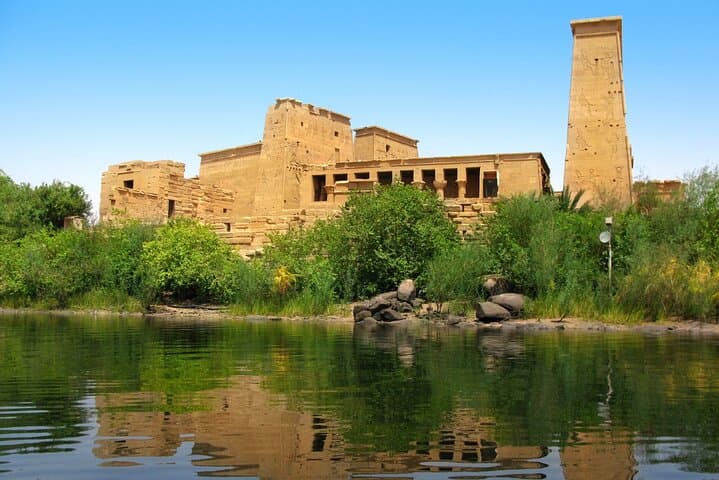
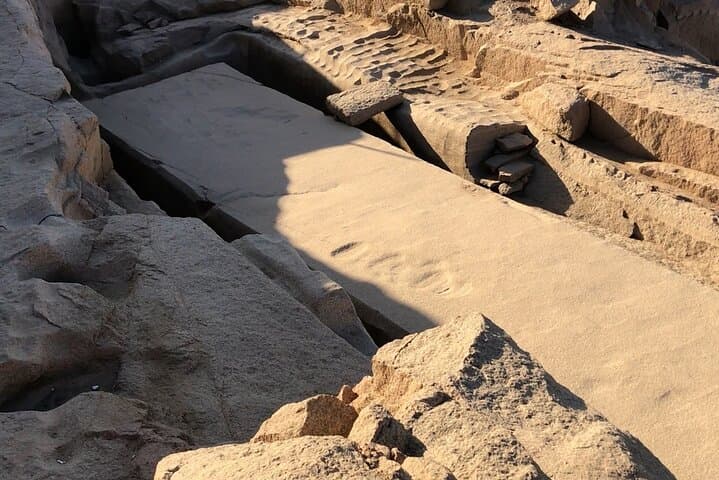
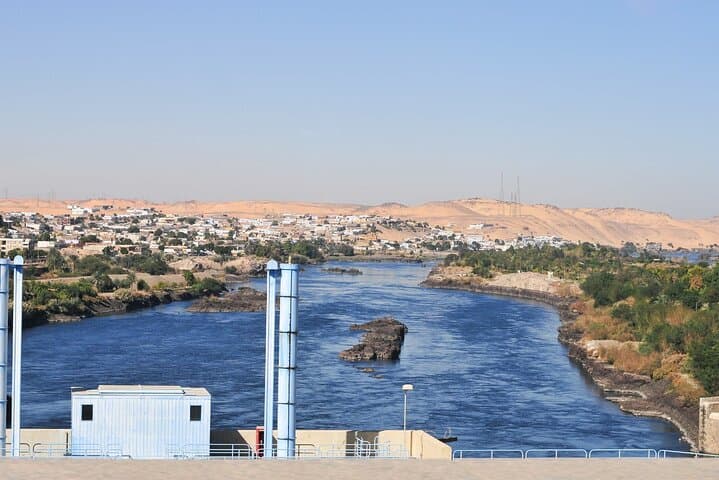
The itinerary moves fast but deliberately: Agilkia Island’s Philae Temple—rededicated to Isis and famously relocated stone by stone to avoid Lake Nasser—offers carved reliefs and shaded colonnades that read like a late note in Pharaonic history. A short drive brings you to the Aswan High Dam, a mid-20th-century engineering project that tamed the Nile’s floods and created the vast reservoir of Lake Nasser; the dam reshaped both Egypt’s economy and its riverscape. Nearby, the Unfinished Obelisk and the ancient granite quarries expose the raw techniques of stoneworking—see the scale of a project abandoned in situ and imagine the labor that never left the bedrock.
Cultural touches include a Nubian lunch and the option of a felucca glide that lets the river reclaim the day’s pace. Practical planning is straightforward: the Aswan portion runs about 3–4 hours on-site (transport to/from Luxor adds several hours), so start early and carry ID for any intercity transfers. Footwear for uneven quarry surfaces, brimmed sun protection, and a reusable water bottle are the baseline. Timing your visit for cooler hours reduces sun exposure and makes exploring temple reliefs and quarry faces more comfortable. This day trip is a compact survey of ancient craft, modern infrastructure, and the living Nile.
easy.
3–4 hours (Aswan portion); add 3–4 hours travel from Luxor.
Suitable for average fitness; requires short walks and some uneven surfaces
Travel time varies with traffic but plan on roughly 3–4 hours each way by private vehicle, so expect a long travel day.
This tour itinerary indicates admissions are included for Philae, the High Dam viewpoint and the Unfinished Obelisk; confirm at booking for any optional extras.
The tour is rated easy but involves boat transfers to Agilkia Island and uneven terrain at the quarries and temples; small children should be supervised and mobility assistance may be limited.
Yes—many operators offer a felucca option and a stop at the Nubian Museum as add-ons or alternatives; discuss preferences when booking.
Philae’s temples were dismantled and reassembled on Agilkia Island in the 20th century to save them from inundation after the High Dam created Lake Nasser.
The High Dam stabilized agriculture and electricity but altered Nile ecology and displaced several archaeological sites; choose operators who follow waste-free practices and respect local communities.
My Egy Trip operates guided outdoor trips and adventures with an emphasis on safety, stewardship, and memorable experiences.
A ribbon of tarmac follows the Nile as the morning light slides past feluccas and palm groves. By the time the road eases into Aswan, the air smells of river mud and sun-warmed granite; the city’s low profile and ochre stone announce a different Egypt than Luxor’s temple avenue.
A ribbon of tarmac follows the Nile as the morning light slides past feluccas and palm groves. By the time the road eases into Aswan, the air smells of river mud and sun-warmed granite; the city’s low profile and ochre stone announce a different Egypt than Luxor’s temple avenue.
The itinerary moves fast but deliberately: Agilkia Island’s Philae Temple—rededicated to Isis and famously relocated stone by stone to avoid Lake Nasser—offers carved reliefs and shaded colonnades that read like a late note in Pharaonic history. A short drive brings you to the Aswan High Dam, a mid-20th-century engineering project that tamed the Nile’s floods and created the vast reservoir of Lake Nasser; the dam reshaped both Egypt’s economy and its riverscape. Nearby, the Unfinished Obelisk and the ancient granite quarries expose the raw techniques of stoneworking—see the scale of a project abandoned in situ and imagine the labor that never left the bedrock.
Cultural touches include a Nubian lunch and the option of a felucca glide that lets the river reclaim the day’s pace. Practical planning is straightforward: the Aswan portion runs about 3–4 hours on-site (transport to/from Luxor adds several hours), so start early and carry ID for any intercity transfers. Footwear for uneven quarry surfaces, brimmed sun protection, and a reusable water bottle are the baseline. Timing your visit for cooler hours reduces sun exposure and makes exploring temple reliefs and quarry faces more comfortable. This day trip is a compact survey of ancient craft, modern infrastructure, and the living Nile.