THE ADVENTURE COLLECTIVE® · Independent discovery and booking for outdoor travel

Drive south from Luxor to Aswan for a focused day among two of the Nile’s most compelling temples—Edfu’s Temple of Horus and Kom Ombo’s double sanctuary—with a licensed Egyptologist. Expect a long, intensely historical day with short walks, river scenery, and a local lunch in Aswan.
Drive south from Luxor to Aswan for a focused day among two of the Nile’s most compelling temples—Edfu’s Temple of Horus and Kom Ombo’s double sanctuary—with a licensed Egyptologist. Expect a long, intensely historical day with short walks, river scenery, and a local lunch in Aswan.
The day begins before dawn in Luxor, when a private, air‑conditioned vehicle slides out of town and the Nile pushes past the roadside—muddy, patient, insistent. By midmorning the sandstone pylons of Edfu rise into view: sun‑bleached walls covered in crisp reliefs of Horus, the falcon god whose story anchors millennia of Nile civilization.
Verified experiences and guided adventures in the surrounding area.
Operated by Luxor Taxi - DayTour · Aswan, Aswan Governorate
The day begins before dawn in Luxor, when a private, air‑conditioned vehicle slides out of town and the Nile pushes past the roadside—muddy, patient, insistent. By midmorning the sandstone pylons of Edfu rise into view: sun‑bleached walls covered in crisp reliefs of Horus, the falcon god whose story anchors millennia of Nile civilization.
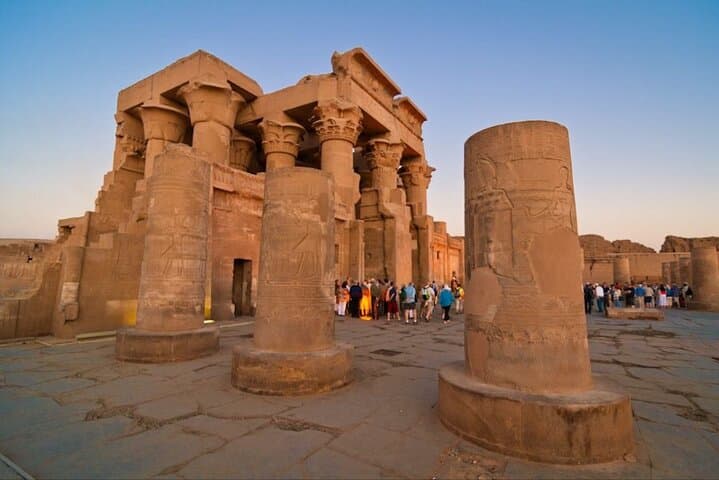
Travel on to Kom Ombo and the landscape opens into low desert and river, where a rare double temple curves to meet the water. One sanctuary honors Sobek, the crocodile deity; the other, Haroeris, a local form of Horus. These structures reflect a layering of religion, trade and seasonal flooding that shaped Upper Egypt. Geologically the route runs along the Nile’s floodplain; granite outcrops near Aswan were prized in pharaonic quarrying and still bear tool marks.
Local life threads the itinerary: small farms, ferry crossings, and roadside stalls selling sugarcane juice and dates. A licensed Egyptologist guide brings inscriptions and ritual back into focus, while lunch in Aswan offers Nubian dishes and an opportunity to see the city’s island-studded river.
Practical edge: expect a long, full day—roughly 10 hours—with short walks around monuments, uneven stone floors and steps at temple entrances. Wear sturdy shoes, sun protection, and carry water; bring cash for small purchases and tips. The tour is suitable for most fitness levels but not recommended for travelers with serious cardiovascular issues. Start early, pace yourself between visits, and give extra care to fragile carvings—photograph respectfully and let the stone keep its stories intact.
easy.
10 hours.
Suitable for most travelers in typical health; involves short walks on uneven stone and climbing steps at temple sites.
Yes—admission for Edfu and Kom Ombo is included as part of the tour, though confirm at booking for any site changes.
The one‑way drive covers roughly 220 km (about 3–4 hours) depending on traffic and stops; the full tour is about 10 hours round trip.
Yes—most operators offer pickup from hotels and Nile cruise boats in Luxor; provide your embarkation details at booking.
The tour is classified as easy and accessible for most ages, but those with limited mobility should expect steps and uneven surfaces at sites.
Edfu’s Temple of Horus is one of Egypt’s best‑preserved Ptolemaic temples; Kom Ombo is unique as a double temple dedicated to Sobek and Haroeris reflecting local cult practices.
Tour groups should avoid touching carvings, carry out litter, and support local guides and eateries to channel tourism benefits into communities.
Luxor Taxi - DayTour operates guided outdoor trips and adventures with an emphasis on safety, stewardship, and memorable experiences.
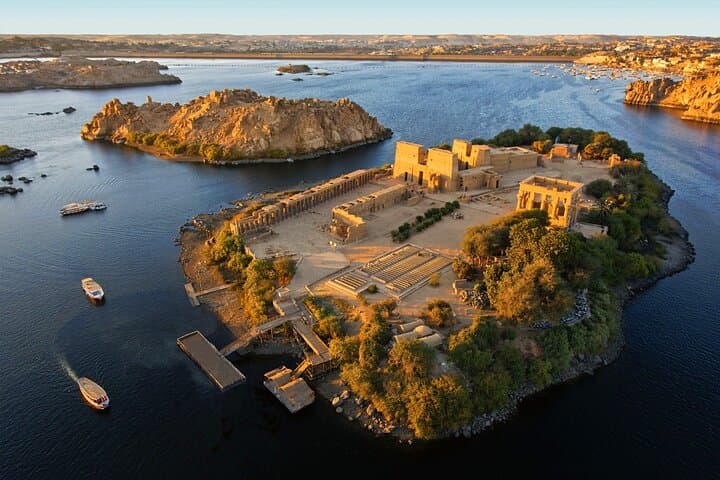
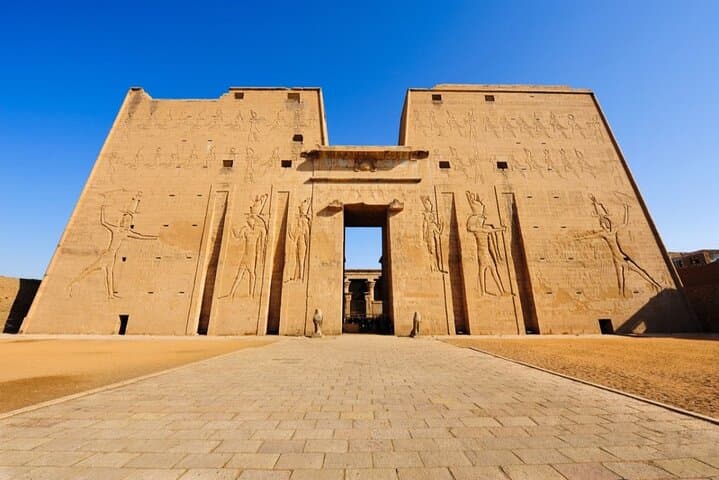
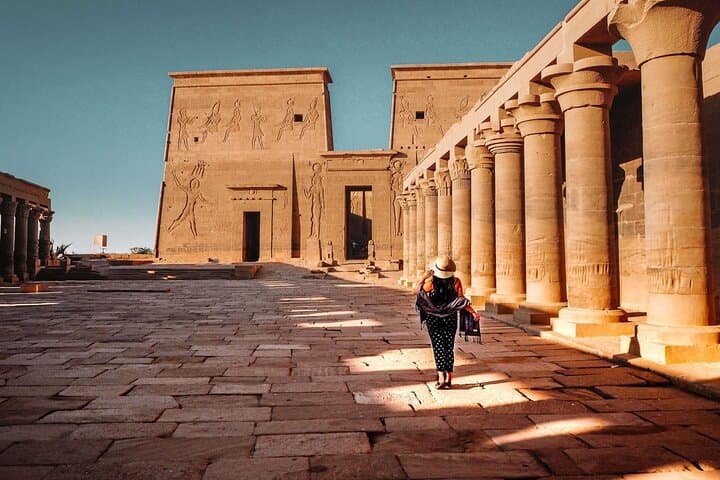
The day begins before dawn in Luxor, when a private, air‑conditioned vehicle slides out of town and the Nile pushes past the roadside—muddy, patient, insistent. By midmorning the sandstone pylons of Edfu rise into view: sun‑bleached walls covered in crisp reliefs of Horus, the falcon god whose story anchors millennia of Nile civilization.
The day begins before dawn in Luxor, when a private, air‑conditioned vehicle slides out of town and the Nile pushes past the roadside—muddy, patient, insistent. By midmorning the sandstone pylons of Edfu rise into view: sun‑bleached walls covered in crisp reliefs of Horus, the falcon god whose story anchors millennia of Nile civilization.
Travel on to Kom Ombo and the landscape opens into low desert and river, where a rare double temple curves to meet the water. One sanctuary honors Sobek, the crocodile deity; the other, Haroeris, a local form of Horus. These structures reflect a layering of religion, trade and seasonal flooding that shaped Upper Egypt. Geologically the route runs along the Nile’s floodplain; granite outcrops near Aswan were prized in pharaonic quarrying and still bear tool marks.
Local life threads the itinerary: small farms, ferry crossings, and roadside stalls selling sugarcane juice and dates. A licensed Egyptologist guide brings inscriptions and ritual back into focus, while lunch in Aswan offers Nubian dishes and an opportunity to see the city’s island-studded river.
Practical edge: expect a long, full day—roughly 10 hours—with short walks around monuments, uneven stone floors and steps at temple entrances. Wear sturdy shoes, sun protection, and carry water; bring cash for small purchases and tips. The tour is suitable for most fitness levels but not recommended for travelers with serious cardiovascular issues. Start early, pace yourself between visits, and give extra care to fragile carvings—photograph respectfully and let the stone keep its stories intact.