THE ADVENTURE COLLECTIVE® · Independent discovery and booking for outdoor travel

Travel by VIP train from Luxor to Aswan for a day of engineering, ancient granite quarries, island temples and a colorful Nubian village. This full-day itinerary packs the High Dam, Unfinished Obelisk and Philae into an accessible cultural excursion.
Travel by VIP train from Luxor to Aswan for a day of engineering, ancient granite quarries, island temples and a colorful Nubian village. This full-day itinerary packs the High Dam, Unfinished Obelisk and Philae into an accessible cultural excursion.
The day opens on a platform at Luxor station as the VIP train eases north with the Nile’s flat shimmer sliding past the carriage windows. By mid-morning Aswan’s low, ochre skyline appears; the river dares you ashore with a promise of stone, water and villages painted in color.
Verified experiences and guided adventures in the surrounding area.
Operated by Get Nile Cruise · Aswan, Aswan Governorate
The day opens on a platform at Luxor station as the VIP train eases north with the Nile’s flat shimmer sliding past the carriage windows. By mid-morning Aswan’s low, ochre skyline appears; the river dares you ashore with a promise of stone, water and villages painted in color.
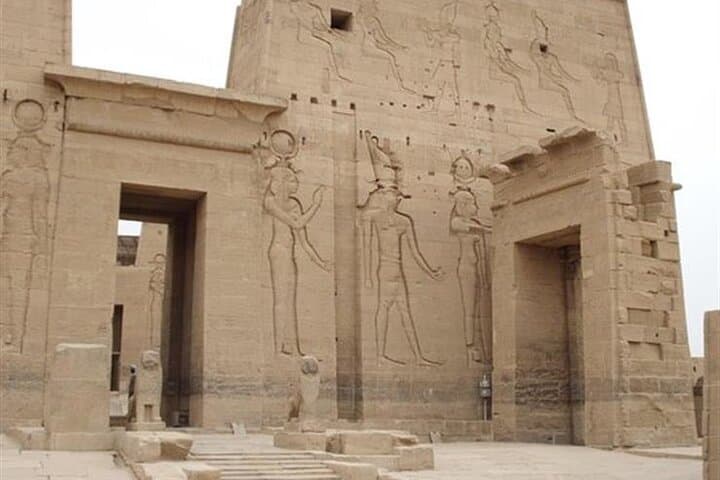
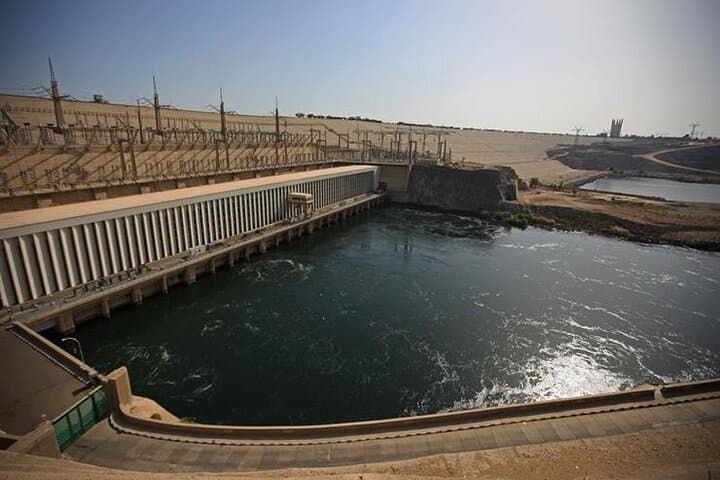
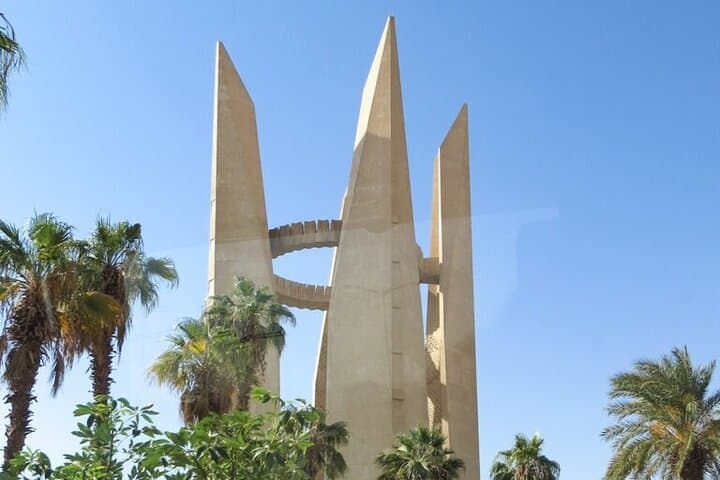
Visitors move from the 1960s engineering sweep of the Aswan High Dam to the ancient granite quarries where the Unfinished Obelisk still lies in situ — a clear lesson in pharaonic stone-working and geology: hard, exposed granite and visible tool marks. Philae Temple, rescued and relocated when Lake Nasser rose, sits on an island and showcases Ptolemaic reliefs and Nile-facing processional ways. The final stretch is a motorboat trip past the botanical island toward a Nubian village where low houses and bright facades reflect a living, relocated culture.
Expect mostly flat walking on paved or compacted surfaces, with short uneven stone sections at temple sites; total on-foot distance is typically 2–4 km with negligible elevation change. Heat and sun are the main challenges — plan for early starts, ample water and sun protection. Photography windows open on the boat and temple terraces; allow time for bargaining and respectful interaction in the village.
Practicalities: bring photocopies of identification for train travel, book entrance fees in advance if possible, and budget time for the train schedule. The tour is accessible to most fitness levels but requires a full day and patience for transit and boarding.
easy.
12–14 hours.
Suitable for most travelers with basic mobility; expect a full day of walking and boat transfers
The one-way VIP train takes roughly 3.5–4 hours depending on schedule and stops, making the round trip a significant part of the day.
Some tour options include entrance fees; confirm at booking — if not included, have cash or card ready at site ticket offices.
Many areas (train, some transport and the island boat access) offer accessible options, but ancient sites have uneven surfaces; check with the operator for specific assistance needs.
Yes — banks and exchange bureaus operate in Aswan; smaller vendors prefer cash, so carry Egyptian pounds for purchases and tips.
Aswan was a strategic trade and stone quarrying center for ancient Egypt; many temples and obelisks trace their raw materials to local granite.
Rising tourism and changing water levels have shifted heritage protection efforts—support local guides and follow site rules to minimize impact.
Get Nile Cruise operates guided outdoor trips and adventures with an emphasis on safety, stewardship, and memorable experiences.

The day opens on a platform at Luxor station as the VIP train eases north with the Nile’s flat shimmer sliding past the carriage windows. By mid-morning Aswan’s low, ochre skyline appears; the river dares you ashore with a promise of stone, water and villages painted in color.
The day opens on a platform at Luxor station as the VIP train eases north with the Nile’s flat shimmer sliding past the carriage windows. By mid-morning Aswan’s low, ochre skyline appears; the river dares you ashore with a promise of stone, water and villages painted in color.
Visitors move from the 1960s engineering sweep of the Aswan High Dam to the ancient granite quarries where the Unfinished Obelisk still lies in situ — a clear lesson in pharaonic stone-working and geology: hard, exposed granite and visible tool marks. Philae Temple, rescued and relocated when Lake Nasser rose, sits on an island and showcases Ptolemaic reliefs and Nile-facing processional ways. The final stretch is a motorboat trip past the botanical island toward a Nubian village where low houses and bright facades reflect a living, relocated culture.
Expect mostly flat walking on paved or compacted surfaces, with short uneven stone sections at temple sites; total on-foot distance is typically 2–4 km with negligible elevation change. Heat and sun are the main challenges — plan for early starts, ample water and sun protection. Photography windows open on the boat and temple terraces; allow time for bargaining and respectful interaction in the village.
Practicalities: bring photocopies of identification for train travel, book entrance fees in advance if possible, and budget time for the train schedule. The tour is accessible to most fitness levels but requires a full day and patience for transit and boarding.