THE ADVENTURE COLLECTIVE® · Independent discovery and booking for outdoor travel

Spend a day in Aswan visiting the High Dam, the Unfinished Obelisk quarry and Philae Temple on Agilkia Island. This private, six‑hour tour pairs modern engineering history with pharaonic stonework and an easy Nile boat crossing.
Spend a day in Aswan visiting the High Dam, the Unfinished Obelisk quarry and Philae Temple on Agilkia Island. This private, six‑hour tour pairs modern engineering history with pharaonic stonework and an easy Nile boat crossing.
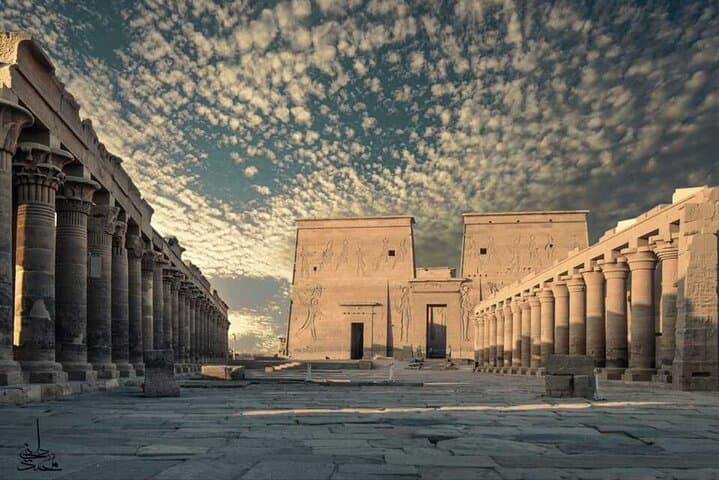
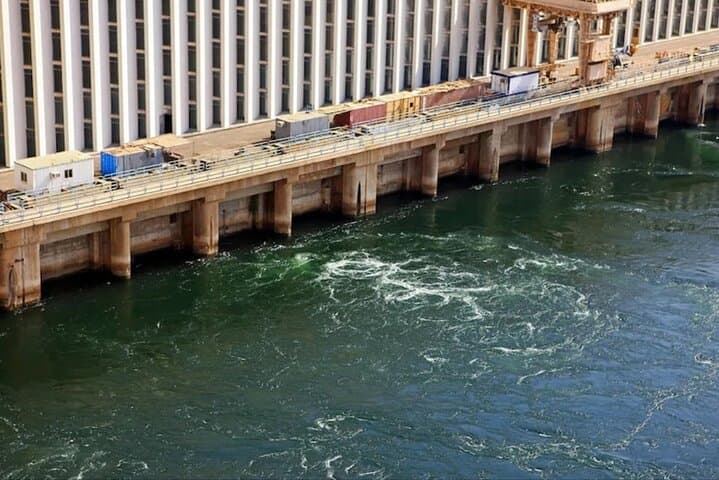
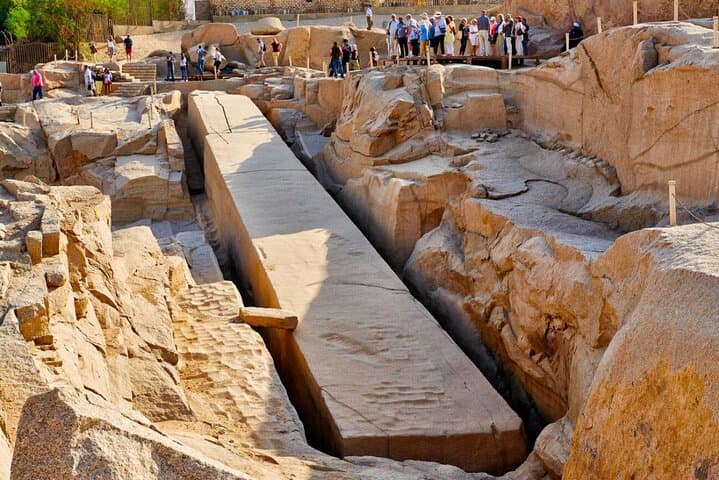
You step out of an air‑conditioned vehicle into the dry heat of Aswan and the Nile seems to breathe around the city, slow and deliberate. The day unfolds as a sequence of monumental encounters: a modern engineering dam holding back centuries of floodwaters, a cathedral‑sized piece of granite frozen mid‑break in the ancient quarry, and an island temple that watches the river like a patient guardian.
Verified experiences and guided adventures in the surrounding area.
Operated by D.Done travel Egypt · Aswan, Aswan Governorate
You step out of an air‑conditioned vehicle into the dry heat of Aswan and the Nile seems to breathe around the city, slow and deliberate. The day unfolds as a sequence of monumental encounters: a modern engineering dam holding back centuries of floodwaters, a cathedral‑sized piece of granite frozen mid‑break in the ancient quarry, and an island temple that watches the river like a patient guardian.
The High Dam, completed in 1970, is an exercise in 20th‑century statecraft—controlling Nile floods and creating Lake Nasser. A short drive brings you to the granite quarries where red Aswan granite was hewn; the Unfinished Obelisk reveals ancient quarrying techniques in the tool marks and fracture lines. Philae Temple, relocated to Agilkia Island during the UNESCO salvage in the 1960s to escape the rising waters, reflects a layering of pharaonic, Greco‑Roman and Coptic histories carved into stone reliefs dedicated to Isis.
Expect easy walking on packed gravel and stone, intermittent stairs on the temple island, and short motorboat crossings. Wear sturdy shoes for uneven surfaces, sun protection and bring at least 1–1.5 liters of water; the region is low elevation and can get very hot in summer. Morning departures keep sightseeing cooler and less crowded. Guides typically provide historical context and handle logistics—tickets, transfers and the boat ride—so you can focus on the monuments. This is a culturally rich, low‑effort day that rewards attention to detail: read the reliefs, watch how the Nile frames the structures, and leave time to absorb the scale of both ancient ambition and modern engineering.
easy.
6 hours.
Suitable for most travelers; light walking with some stairs and uneven surfaces
Entrance fees are typically not included in basic transfers; confirm with your operator whether tickets are arranged in advance.
The motorboat crossing from the Nile bank to Agilkia Island is short—usually 5–10 minutes depending on launch point and traffic.
Yes; the tour is rated easy with minimal walking, though temple access includes stairs which may be difficult for some mobility‑limited guests.
Most operators provide hotel and Nile cruise pickup and drop‑off—confirm your pickup point when booking.
Aswan was the ancient southern gateway of Egypt; its quarries supplied the red granite used for temples and obelisks across the Nile valley, while the High Dam reshaped the region’s modern economy and ecology in the 1960s–70s.
UNESCO’s relocation of Philae was an early large‑scale salvage project; ongoing conservation focuses on visitor impact management and protecting Nile shoreline habitats.
D.Done travel Egypt operates guided outdoor trips and adventures with an emphasis on safety, stewardship, and memorable experiences.
You step out of an air‑conditioned vehicle into the dry heat of Aswan and the Nile seems to breathe around the city, slow and deliberate. The day unfolds as a sequence of monumental encounters: a modern engineering dam holding back centuries of floodwaters, a cathedral‑sized piece of granite frozen mid‑break in the ancient quarry, and an island temple that watches the river like a patient guardian.
You step out of an air‑conditioned vehicle into the dry heat of Aswan and the Nile seems to breathe around the city, slow and deliberate. The day unfolds as a sequence of monumental encounters: a modern engineering dam holding back centuries of floodwaters, a cathedral‑sized piece of granite frozen mid‑break in the ancient quarry, and an island temple that watches the river like a patient guardian.
The High Dam, completed in 1970, is an exercise in 20th‑century statecraft—controlling Nile floods and creating Lake Nasser. A short drive brings you to the granite quarries where red Aswan granite was hewn; the Unfinished Obelisk reveals ancient quarrying techniques in the tool marks and fracture lines. Philae Temple, relocated to Agilkia Island during the UNESCO salvage in the 1960s to escape the rising waters, reflects a layering of pharaonic, Greco‑Roman and Coptic histories carved into stone reliefs dedicated to Isis.
Expect easy walking on packed gravel and stone, intermittent stairs on the temple island, and short motorboat crossings. Wear sturdy shoes for uneven surfaces, sun protection and bring at least 1–1.5 liters of water; the region is low elevation and can get very hot in summer. Morning departures keep sightseeing cooler and less crowded. Guides typically provide historical context and handle logistics—tickets, transfers and the boat ride—so you can focus on the monuments. This is a culturally rich, low‑effort day that rewards attention to detail: read the reliefs, watch how the Nile frames the structures, and leave time to absorb the scale of both ancient ambition and modern engineering.