THE ADVENTURE COLLECTIVE® · Independent discovery and booking for outdoor travel

See Aswan’s most iconic sites in a single private day tour: the Unfinished Obelisk, Philae Temple, the High Dam and a colorful Nubian village. Perfect for travelers who want history, engineering and local culture with minimal fuss.
See Aswan’s most iconic sites in a single private day tour: the Unfinished Obelisk, Philae Temple, the High Dam and a colorful Nubian village. Perfect for travelers who want history, engineering and local culture with minimal fuss.
The morning light in Aswan cuts across the Nile like a blade, gilding palm fronds and the flat faces of quarried granite. A modern air-conditioned vehicle eases away from town and the river dares you to slow down — feluccas glide, and the current seems to push the city forward.
Verified experiences and guided adventures in the surrounding area.
Operated by Karam Gamal Travel Egypt · Aswan, Aswan Governorate
The morning light in Aswan cuts across the Nile like a blade, gilding palm fronds and the flat faces of quarried granite. A modern air-conditioned vehicle eases away from town and the river dares you to slow down — feluccas glide, and the current seems to push the city forward.
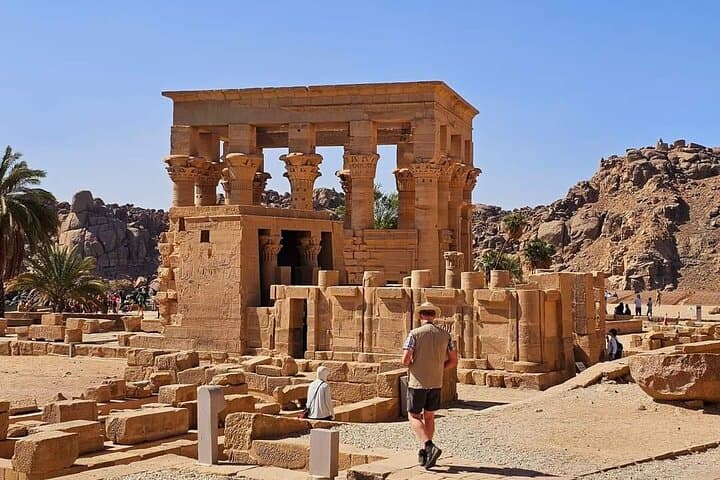
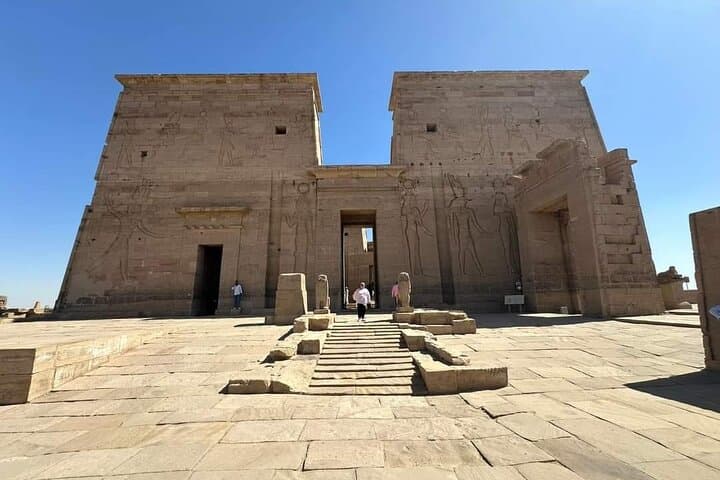
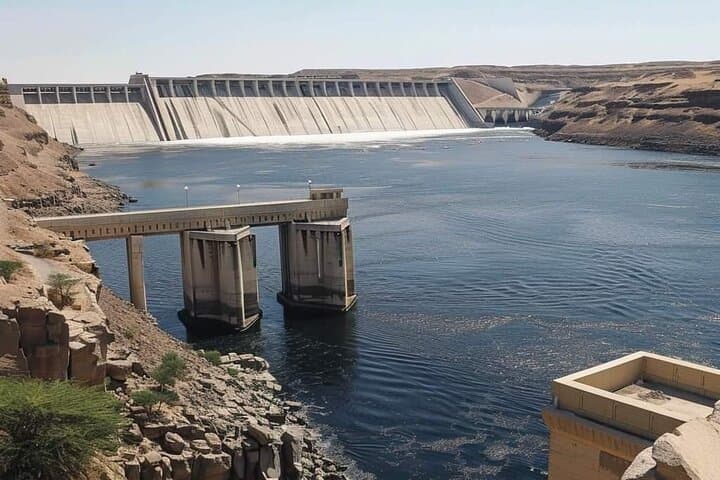
In a few hours this private circuit stitches together very different layers of human work: the Unfinished Obelisk, abandoned where a fissure froze a 1,200-ton monument in its making; Philae Temple, relocated stone-by-stone to Agilkia Island and still fragrant with myths of Isis; the 1960s High Dam, a colossal utilitarian leap that reshaped the Nile; and a living Nubian village where painted houses and boatbuilders keep craft alive.
Geology is immediate here — hard pink granite hewn from quarries, riverine silt that once nourished floodplain agriculture, and Lake Nasser’s broad surface seen from the dam. Cultural notes are close at hand: Ptolemaic reliefs at Philae, Hatshepsut’s association with the obelisk, and Nubian hospitality expressed through color, tea, and carved wood.
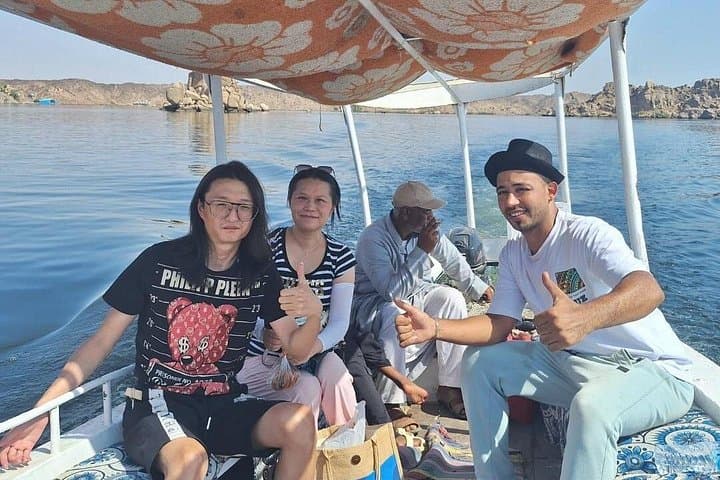
Practical side: expect light walking on uneven stone, short boat transfers to Philae, and strong sun. Start early to avoid heat and to get soft light for photos. Bring cash small bills for temple entry, tips, and purchases in the village; museum or guide fees may be extra. Wear closed-toe shoes for quarry paths, a hat, and a reusable bottle — bottled water is often provided, but refills save plastic.
This route is compact but rich: history, engineering, and living culture packed into a single, approachable day from Aswan.
easy.
5–6 hours.
Light fitness; mostly short walks and brief climbs up temple steps—suitable for most people who can walk moderate distances
Admission is typically not included in the base tour price; expect to pay separate entry fees at Philae and the Unfinished Obelisk or pay for an optional Egyptologist guide on site.
The tour lists wheelchair-accessible transportation, but some temple areas and island transfers have uneven surfaces and steps — check specific accessibility needs with the operator in advance.
The full itinerary runs about 5–6 hours (approximately 320 minutes) and includes hotel or cruise-ship pickup and drop-off in Aswan.
A licensed guide adds historical depth at Philae and the Obelisk; guides are often optional and may involve an extra cost, but recommended if you want detailed interpretation.
Philae was a major center of worship for Isis during the Ptolemaic era; the Aswan High Dam, completed in the 1960s, dramatically altered river dynamics and led to large-scale archaeological relocations.
Relocation projects protected Philae’s stones but tourism still impacts fragile sites; support local guides and avoid touching carved reliefs to minimize wear.
Karam Gamal Travel Egypt operates guided outdoor trips and adventures with an emphasis on safety, stewardship, and memorable experiences.
The morning light in Aswan cuts across the Nile like a blade, gilding palm fronds and the flat faces of quarried granite. A modern air-conditioned vehicle eases away from town and the river dares you to slow down — feluccas glide, and the current seems to push the city forward.
The morning light in Aswan cuts across the Nile like a blade, gilding palm fronds and the flat faces of quarried granite. A modern air-conditioned vehicle eases away from town and the river dares you to slow down — feluccas glide, and the current seems to push the city forward.
In a few hours this private circuit stitches together very different layers of human work: the Unfinished Obelisk, abandoned where a fissure froze a 1,200-ton monument in its making; Philae Temple, relocated stone-by-stone to Agilkia Island and still fragrant with myths of Isis; the 1960s High Dam, a colossal utilitarian leap that reshaped the Nile; and a living Nubian village where painted houses and boatbuilders keep craft alive.
Geology is immediate here — hard pink granite hewn from quarries, riverine silt that once nourished floodplain agriculture, and Lake Nasser’s broad surface seen from the dam. Cultural notes are close at hand: Ptolemaic reliefs at Philae, Hatshepsut’s association with the obelisk, and Nubian hospitality expressed through color, tea, and carved wood.
Practical side: expect light walking on uneven stone, short boat transfers to Philae, and strong sun. Start early to avoid heat and to get soft light for photos. Bring cash small bills for temple entry, tips, and purchases in the village; museum or guide fees may be extra. Wear closed-toe shoes for quarry paths, a hat, and a reusable bottle — bottled water is often provided, but refills save plastic.
This route is compact but rich: history, engineering, and living culture packed into a single, approachable day from Aswan.