THE ADVENTURE COLLECTIVE® · Independent discovery and booking for outdoor travel

Explore Aswan’s contrast of ancient and modern on a single day: motorboat to Philae Temple, inspect the Unfinished Obelisk in the granite quarry, then stand atop the Aswan High Dam for sweeping Nile and Lake Nasser views. Practical tips and cultural context to plan the visit.
Explore Aswan’s contrast of ancient and modern on a single day: motorboat to Philae Temple, inspect the Unfinished Obelisk in the granite quarry, then stand atop the Aswan High Dam for sweeping Nile and Lake Nasser views. Practical tips and cultural context to plan the visit.
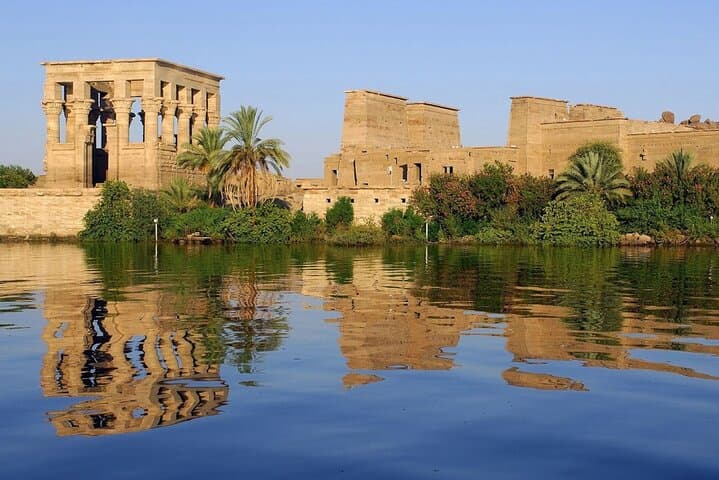
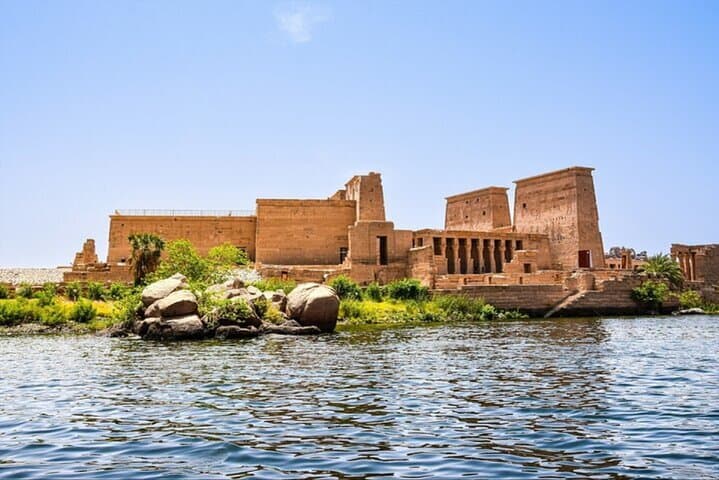
A motorboat parts the Nile’s morning shimmer and deposits you at Philae—columns rising like carved memory from an island that was moved stone-by-stone to escape the rising waters of the High Dam. You step from the wharf into cool shadowed colonnades, hieroglyphs etched into granite that still hold stories of Isis and Nile rites.
Verified experiences and guided adventures in the surrounding area.
Operated by EgyptSunriseTours · Aswan, Aswan Governorate
A motorboat parts the Nile’s morning shimmer and deposits you at Philae—columns rising like carved memory from an island that was moved stone-by-stone to escape the rising waters of the High Dam. You step from the wharf into cool shadowed colonnades, hieroglyphs etched into granite that still hold stories of Isis and Nile rites.
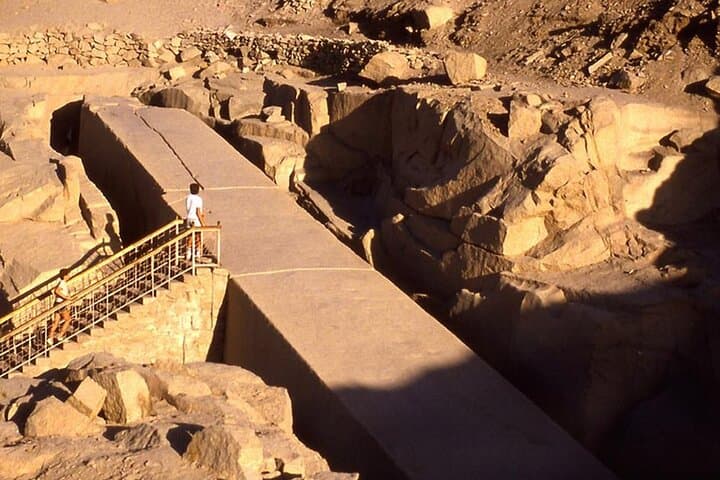
The tour threads through Aswan’s layers: the Unfinished Obelisk at the northern quarry where massive granite blocks bear the marks of ancient chisels and teacherly pauses in progress, and then forward to the High Dam, a 20th-century leviathan that redefined Egypt’s hydrology and created Lake Nasser’s broad, wind-scoured surface.
Geology and engineering meet culture here—Aswan granite’s coarse, pink-brown grains explain why pharaohs favored it for obelisks, while the dam’s concrete face tells a modern tale of irrigation, electricity and contested environmental trade-offs. Local Nubian communities, visible on the river’s bends, keep a living craft tradition—boats, basketry and food stands that reward curiosity.
Practically: expect light walking on uneven stone, short boat transfers and plenty of sun. Tours commonly include hotel pickup, bottled water and an Egyptologist guide; entrance fee inclusion varies by option. Bring sturdy shoes, a wide-brim hat, sunscreen, and a small amount of local currency for tips and market purchases. Start mid-morning to catch softer light at Philae and cooler air at the dam. Respect modest dress at religious sites—shoulders and knees covered—and carry layers for breezy boat crossings. This day distills Aswan: ancient quarries, island temples, and the modern dam that reshaped a river and a country.
easy.
6 hours.
Suitable for most fitness levels; requires short walks, standing and boarding boats but no sustained climbs
Some booking options include entrance fees; others offer admission as an add-on—check your chosen option before arrival and carry cash for tickets if needed.
The motorboat transfer from the Aswan bank to Agilkia Island typically takes 10–20 minutes depending on water conditions and boarding logistics.
Yes — the tour is family-friendly and notes stroller accessibility, though expect stone steps and short walks once ashore.
Popular dates benefit from advance booking to secure preferred pickup times; entrance can sometimes be purchased on-site but may delay the itinerary.
Philae’s temples were dismantled and reassembled on Agilkia Island in the 1960s to save them from Lake Nasser as part of an international UNESCO effort; the High Dam symbolizes Egypt’s postwar development push.
Relocation efforts at Philae and site management aim to reduce water and tourism impacts; visitors are encouraged to avoid touching carvings and to dispose of waste responsibly.
EgyptSunriseTours operates guided outdoor trips and adventures with an emphasis on safety, stewardship, and memorable experiences.
A motorboat parts the Nile’s morning shimmer and deposits you at Philae—columns rising like carved memory from an island that was moved stone-by-stone to escape the rising waters of the High Dam. You step from the wharf into cool shadowed colonnades, hieroglyphs etched into granite that still hold stories of Isis and Nile rites.
A motorboat parts the Nile’s morning shimmer and deposits you at Philae—columns rising like carved memory from an island that was moved stone-by-stone to escape the rising waters of the High Dam. You step from the wharf into cool shadowed colonnades, hieroglyphs etched into granite that still hold stories of Isis and Nile rites.
The tour threads through Aswan’s layers: the Unfinished Obelisk at the northern quarry where massive granite blocks bear the marks of ancient chisels and teacherly pauses in progress, and then forward to the High Dam, a 20th-century leviathan that redefined Egypt’s hydrology and created Lake Nasser’s broad, wind-scoured surface.
Geology and engineering meet culture here—Aswan granite’s coarse, pink-brown grains explain why pharaohs favored it for obelisks, while the dam’s concrete face tells a modern tale of irrigation, electricity and contested environmental trade-offs. Local Nubian communities, visible on the river’s bends, keep a living craft tradition—boats, basketry and food stands that reward curiosity.
Practically: expect light walking on uneven stone, short boat transfers and plenty of sun. Tours commonly include hotel pickup, bottled water and an Egyptologist guide; entrance fee inclusion varies by option. Bring sturdy shoes, a wide-brim hat, sunscreen, and a small amount of local currency for tips and market purchases. Start mid-morning to catch softer light at Philae and cooler air at the dam. Respect modest dress at religious sites—shoulders and knees covered—and carry layers for breezy boat crossings. This day distills Aswan: ancient quarries, island temples, and the modern dam that reshaped a river and a country.