THE ADVENTURE COLLECTIVE® · Independent discovery and booking for outdoor travel

Spend a full day moving between Aswan’s ancient and modern wonders: the Unfinished Obelisk, the Aswan High Dam, and the island-set Philae Temple. This private tour pairs short drives and a motorboat crossing with guided insights into geology, engineering, and ritual life along the Nile.
Spend a full day moving between Aswan’s ancient and modern wonders: the Unfinished Obelisk, the Aswan High Dam, and the island-set Philae Temple. This private tour pairs short drives and a motorboat crossing with guided insights into geology, engineering, and ritual life along the Nile.
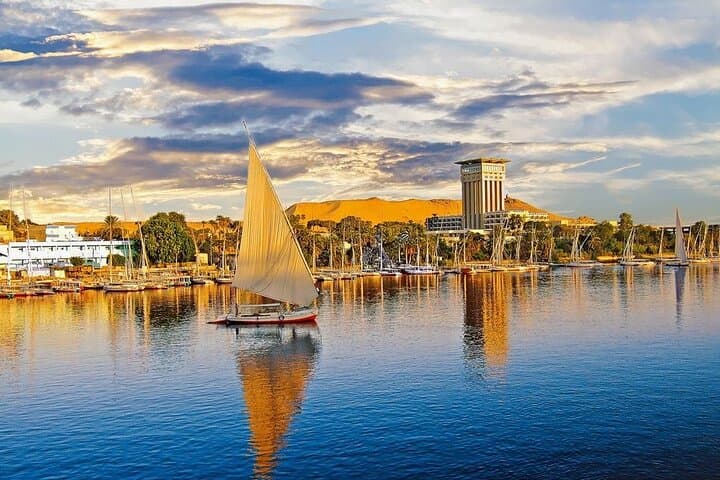
The morning light catches the Nile and the city exhales: motorboats skim glassy water toward Agilkia Island while the desert cliffs on either bank stand quiet and heat-worn. You step from a private car onto polished granite, the air carrying dust and diesel, and the Nile dares you to slow down and look—at hieroglyphs, quarry scars, and a concrete wall that reshaped a nation.
Verified experiences and guided adventures in the surrounding area.
Operated by Egypt Happy Travel · Aswan, Aswan Governorate
The morning light catches the Nile and the city exhales: motorboats skim glassy water toward Agilkia Island while the desert cliffs on either bank stand quiet and heat-worn. You step from a private car onto polished granite, the air carrying dust and diesel, and the Nile dares you to slow down and look—at hieroglyphs, quarry scars, and a concrete wall that reshaped a nation.
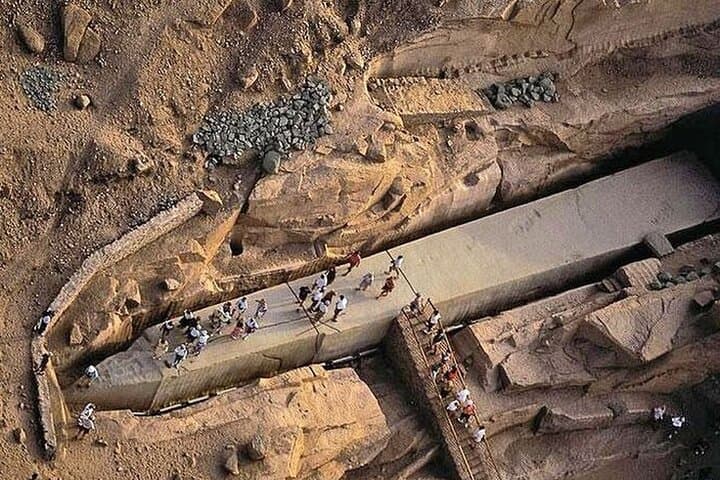
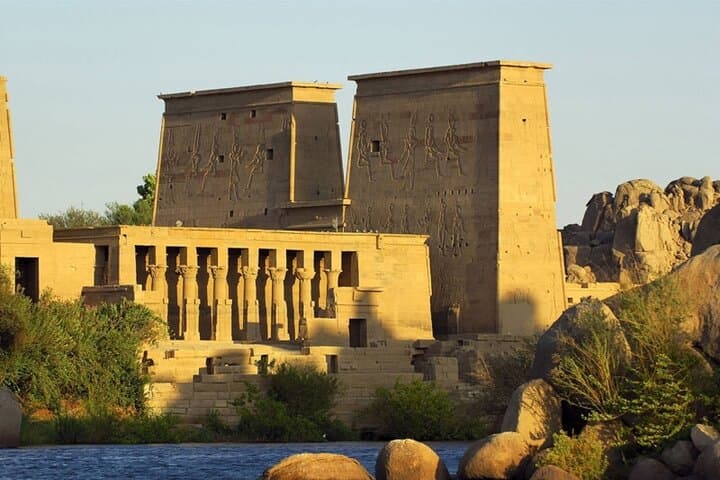
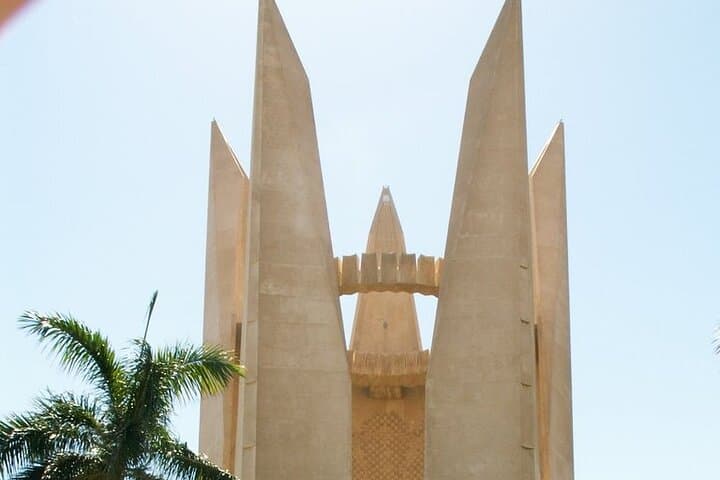
This single-day loop ties three contrasting chapters of Aswan’s story. The Unfinished Obelisk lies where ancient stonemasons abandoned a 42m project, its visible chisel marks teaching quarry techniques in stone. The Aswan High Dam, completed in 1970, is 3.6 km long and altered hydrology to create Lake Nasser and power modern Egypt. Philae Temple, relocated to Agilkia Island during UNESCO-led rescue efforts, preserves Ptolemaic reliefs and island vistas that reward a short motorboat crossing.
Expect mostly flat walking on uneven stone and dusty paths with minimal elevation gain (<50m). Short drives link sites across town—total tour time runs about 8–9 hours with several 30–60 minute visits. Practical planning: travel mid-morning to avoid peak sun, wear sturdy closed-toe shoes for quarries and temple stairs, and carry 1–2 liters of water. Guides will handle boat transfers and parking; bring sun protection and small bills for site staff and tips.
Photography is generous but respect restricted interior areas. Mobility is generally easy but uneven surfaces and temple steps can challenge those with limited mobility. This day blends geology, engineering, and ritual architecture into a compact, accessible exploration of Aswan’s layered landscape.
easy.
8–9 hours.
Suitable for most fitness levels; requires moderate mobility for uneven surfaces and temple steps
This tour description notes admissions are not included—expect separate tickets for temple and site entries unless confirmed by the operator.
The motorboat crossing from the Aswan shore to Agilkia Island typically takes 10–15 minutes depending on water conditions.
Yes; infants may sit on laps and infant seats are sometimes available, but watch children closely on steps and near water.
Parts of the tour involve uneven stone and staircases; discuss specific mobility needs with the operator to arrange boat and access options.
Philae was dismantled and moved to Agilkia Island in the 1960s during UNESCO-led salvage work after the Aswan High Dam created Lake Nasser; the High Dam itself, finished in 1970, reshaped Egypt’s agriculture and hydrology.
The relocation saved Philae but tourism and lake-level changes continue to impact fragile stone and shoreline habitats; stick to marked paths, avoid climbing reliefs, and use local guides to minimize impact.
Egypt Happy Travel operates guided outdoor trips and adventures with an emphasis on safety, stewardship, and memorable experiences.
The morning light catches the Nile and the city exhales: motorboats skim glassy water toward Agilkia Island while the desert cliffs on either bank stand quiet and heat-worn. You step from a private car onto polished granite, the air carrying dust and diesel, and the Nile dares you to slow down and look—at hieroglyphs, quarry scars, and a concrete wall that reshaped a nation.
The morning light catches the Nile and the city exhales: motorboats skim glassy water toward Agilkia Island while the desert cliffs on either bank stand quiet and heat-worn. You step from a private car onto polished granite, the air carrying dust and diesel, and the Nile dares you to slow down and look—at hieroglyphs, quarry scars, and a concrete wall that reshaped a nation.
This single-day loop ties three contrasting chapters of Aswan’s story. The Unfinished Obelisk lies where ancient stonemasons abandoned a 42m project, its visible chisel marks teaching quarry techniques in stone. The Aswan High Dam, completed in 1970, is 3.6 km long and altered hydrology to create Lake Nasser and power modern Egypt. Philae Temple, relocated to Agilkia Island during UNESCO-led rescue efforts, preserves Ptolemaic reliefs and island vistas that reward a short motorboat crossing.
Expect mostly flat walking on uneven stone and dusty paths with minimal elevation gain (<50m). Short drives link sites across town—total tour time runs about 8–9 hours with several 30–60 minute visits. Practical planning: travel mid-morning to avoid peak sun, wear sturdy closed-toe shoes for quarries and temple stairs, and carry 1–2 liters of water. Guides will handle boat transfers and parking; bring sun protection and small bills for site staff and tips.
Photography is generous but respect restricted interior areas. Mobility is generally easy but uneven surfaces and temple steps can challenge those with limited mobility. This day blends geology, engineering, and ritual architecture into a compact, accessible exploration of Aswan’s layered landscape.