THE ADVENTURE COLLECTIVE® · Independent discovery and booking for outdoor travel

Discover Philae Temple’s relocated sanctuaries, the engineering scale of the Aswan High Dam, and the raw quarry face of the Unfinished Obelisk on a compact half-day tour. Practical planning tips and on-site expectations help you make the most of five hours along the Nile.
Discover Philae Temple’s relocated sanctuaries, the engineering scale of the Aswan High Dam, and the raw quarry face of the Unfinished Obelisk on a compact half-day tour. Practical planning tips and on-site expectations help you make the most of five hours along the Nile.
You step off an air-conditioned minivan onto the river-smoothed stone of Aswan and the Nile lifts a warm, sand-scented breeze that pushes at your jacket. Boats cut across a silver ribbon to Philae Island; papyrus-fringed channels and the distant silhouette of the High Dam frame the day.
Verified experiences and guided adventures in the surrounding area.
Operated by NORTH AFRICAN SHIPPING AND TOURISM COMPANY (NASCO TOURS) · Aswan, Aswan Governorate
You step off an air-conditioned minivan onto the river-smoothed stone of Aswan and the Nile lifts a warm, sand-scented breeze that pushes at your jacket. Boats cut across a silver ribbon to Philae Island; papyrus-fringed channels and the distant silhouette of the High Dam frame the day.
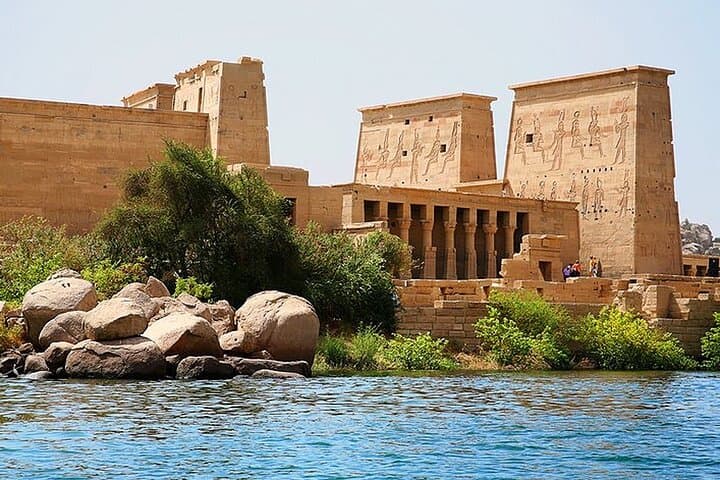
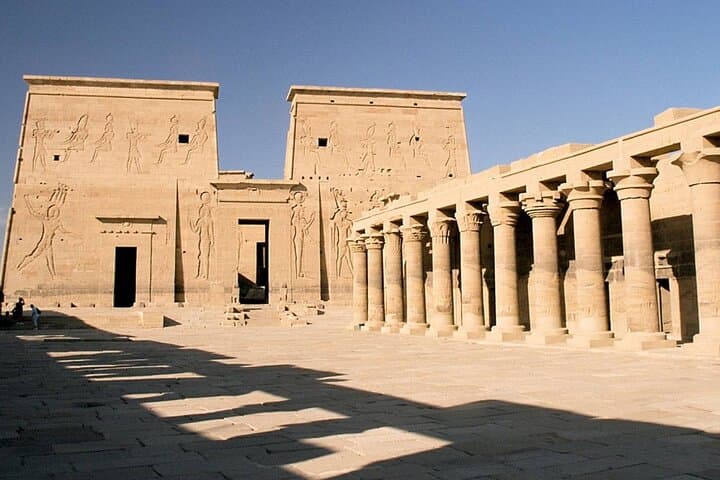
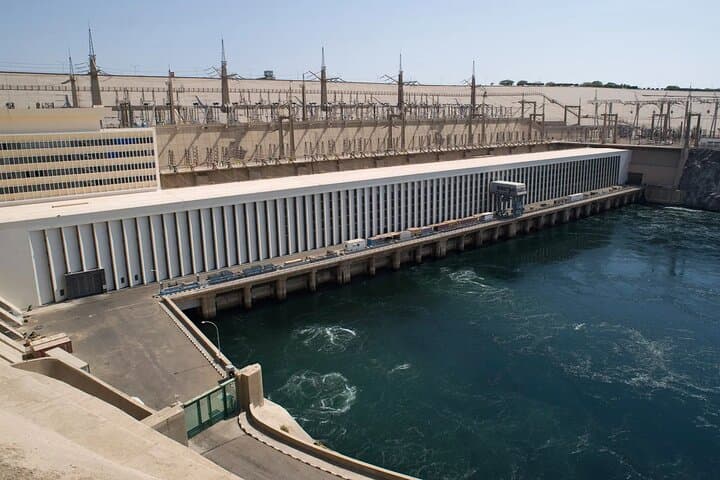
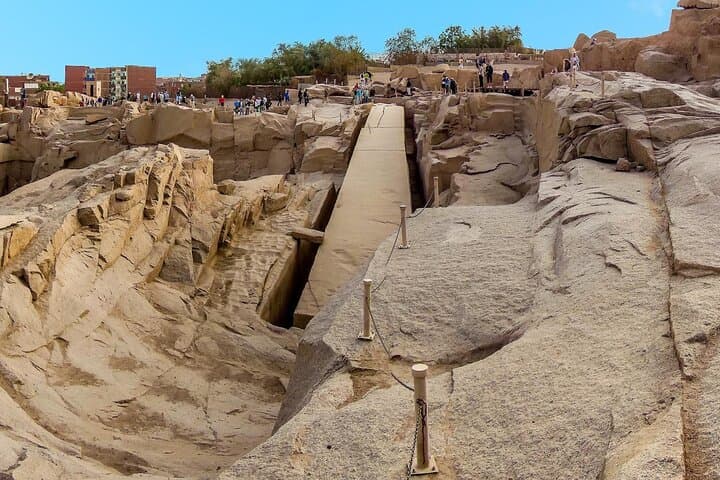
Philae Temple honors Isis and reads like a compact history of Ptolemaic and Roman religious architecture—reliefs, tall columns and scenes of ritual life relocated stone-by-stone when the High Dam threatened to submerge the old island. A short drive away, the High Dam itself illustrates 20th-century engineering ambition: earthen slopes and concrete faces that tamed seasonal floods and reshaped agricultural life across Egypt. At the northern quarries, the Unfinished Obelisk reveals raw granite and ancient quarrying marks—an aborted dream of a single-piece monument whose flaw left a lesson in material limits.
Beyond monuments, Aswan’s geology is immediate: Nubian sandstone and granite outcrops, bright desert light, and Nile currents that still direct local rhythms. Cultural notes—Coptic and Nubian influences, market smells, and traditional felucca craft—add texture to the route.
Practical guidance: expect multiple short walks, boat transfers to Philae, and museum-like ruin sites with uneven stone underfoot. Carry sun protection, comfortable closed shoes, and a photocopy of your passport for admissions. Timed correctly, the five-hour excursion balances shaded river crossings, open dam viewpoints, and close inspections of quarry marks—efficient, interpretive, and unmistakably Nile-centered.
easy.
5 hours.
Suitable for travelers with average mobility; involves short walks and some steps.
The tour runs approximately five hours, including transfers, a boat crossing to Philae, and site visits.
Admission to Philae Temple and the Unfinished Obelisk is typically included; confirm at booking or with your guide.
Yes—access to Philae requires a short boat ride from the docking point to Agilkia Island.
The itinerary is rated easy, but expect stone steps, uneven surfaces and boat boarding; ask about infant seats or accessible options when booking.
Philae was moved in the 1960s to protect it from the reservoir created by the Aswan High Dam, a UNESCO-led relocation that saved its reliefs and colonnades.
Relocation and restoration projects around Aswan balance tourism with preservation; stick to marked paths and avoid touching delicate reliefs to minimize wear.
NORTH AFRICAN SHIPPING AND TOURISM COMPANY (NASCO TOURS) operates guided outdoor trips and adventures with an emphasis on safety, stewardship, and memorable experiences.
You step off an air-conditioned minivan onto the river-smoothed stone of Aswan and the Nile lifts a warm, sand-scented breeze that pushes at your jacket. Boats cut across a silver ribbon to Philae Island; papyrus-fringed channels and the distant silhouette of the High Dam frame the day.
You step off an air-conditioned minivan onto the river-smoothed stone of Aswan and the Nile lifts a warm, sand-scented breeze that pushes at your jacket. Boats cut across a silver ribbon to Philae Island; papyrus-fringed channels and the distant silhouette of the High Dam frame the day.
Philae Temple honors Isis and reads like a compact history of Ptolemaic and Roman religious architecture—reliefs, tall columns and scenes of ritual life relocated stone-by-stone when the High Dam threatened to submerge the old island. A short drive away, the High Dam itself illustrates 20th-century engineering ambition: earthen slopes and concrete faces that tamed seasonal floods and reshaped agricultural life across Egypt. At the northern quarries, the Unfinished Obelisk reveals raw granite and ancient quarrying marks—an aborted dream of a single-piece monument whose flaw left a lesson in material limits.
Beyond monuments, Aswan’s geology is immediate: Nubian sandstone and granite outcrops, bright desert light, and Nile currents that still direct local rhythms. Cultural notes—Coptic and Nubian influences, market smells, and traditional felucca craft—add texture to the route.
Practical guidance: expect multiple short walks, boat transfers to Philae, and museum-like ruin sites with uneven stone underfoot. Carry sun protection, comfortable closed shoes, and a photocopy of your passport for admissions. Timed correctly, the five-hour excursion balances shaded river crossings, open dam viewpoints, and close inspections of quarry marks—efficient, interpretive, and unmistakably Nile-centered.