THE ADVENTURE COLLECTIVE® · Independent discovery and booking for outdoor travel

Glide the Nile to Philae’s reassembled temples, examine the raw face of the Unfinished Obelisk in Aswan’s granite quarries, and stand at the base of the High Dam—this private boat tour combines river travel with ancient stone and modern engineering.
Glide the Nile to Philae’s reassembled temples, examine the raw face of the Unfinished Obelisk in Aswan’s granite quarries, and stand at the base of the High Dam—this private boat tour combines river travel with ancient stone and modern engineering.
The motor boat pushes away from Aswan’s quay and the Nile widens, its surface catching light like copper. Wind moves across the river and the guide points to a low island where Philae’s columns rise—quiet, dressed in the colors of sunset. The day unfolds as a river-to-rock journey: a short glide to Philae, a walk through rescued temples, a drive to the granite quarries and then the vast concrete flank of the High Dam.
Verified experiences and guided adventures in the surrounding area.
Operated by Hola Egipto · Aswan, Aswan Governorate
The motor boat pushes away from Aswan’s quay and the Nile widens, its surface catching light like copper. Wind moves across the river and the guide points to a low island where Philae’s columns rise—quiet, dressed in the colors of sunset. The day unfolds as a river-to-rock journey: a short glide to Philae, a walk through rescued temples, a drive to the granite quarries and then the vast concrete flank of the High Dam.
Philae was rescued from rising waters in the 1960s, carefully dismantled and reassembled on Agilkia Island after the High Dam reshaped the Nile’s seasonal rhythms. The Unfinished Obelisk at the nearby quarry shows ancient stone-working in profile—incisions, tool marks and the raw block abandoned where cracks appeared. The High Dam itself is mid-20th-century engineering: a controlled answer to floods, irrigation and electricity that fundamentally altered the Nile’s ecology and local livelihoods.
Expect shaded temple courts, stone reliefs with crisp hieroglyphs, flat walkways at the quarry and paved viewpoints at the dam. Cultural notes: local Nubian communities and Aswani markets are close by; bargaining is common if you explore after the tour.
Practical guide: the private tour runs about 5–6 hours, includes hotel pickup and bottled water but usually not entry fees—carry cash for tickets. Wear breathable layers, a wide-brim hat and sturdy shoes for uneven stone and sandy quays. Morning departures avoid heat and crowds; photocards or a camera with plenty of battery keep the light-rich details. Bring sunscreen, respect restricted areas around monuments, and leave no trace on fragile reliefs.
easy.
5–6 hours.
Suitable for most fitness levels; requires short walks and boarding a small boat
Most private packages include transport and guide services but typically do not include monument admission—bring cash or confirm at booking.
The operator lists wheelchair access; however, access on islands and around ancient stone sites can be uneven—notify the operator about specific needs in advance.
The tour includes hotel pickup in Aswan; booking asks for a pickup point so the operator can arrange a convenient time and location.
Photography is generally permitted in open areas; some enclosed chambers or conservation areas may restrict flash or tripods—follow onsite signage and guide instructions.
Philae’s temples were dismantled and relocated to Agilkia Island during the UNESCO-led Nubia Campaign when the Aswan High Dam threatened to submerge ancient sites.
Relocation saved monuments but the High Dam changed the Nile’s floodplain ecology; visitors can help by staying on paths, avoiding flash photography in sensitive areas and supporting local conservation initiatives.
Hola Egipto operates guided outdoor trips and adventures with an emphasis on safety, stewardship, and memorable experiences.
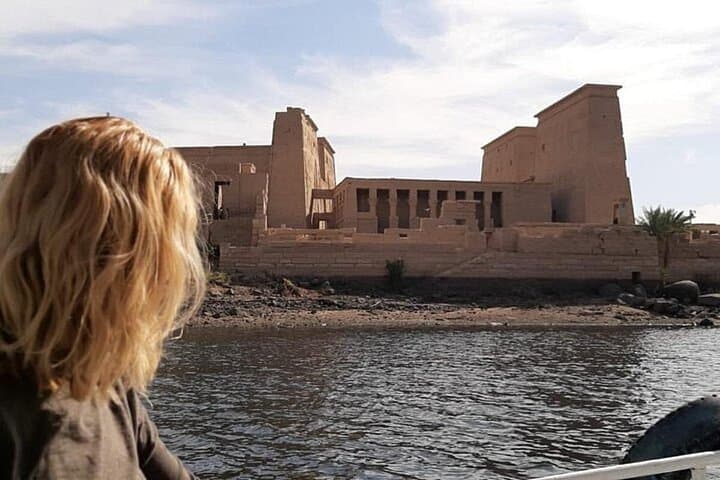
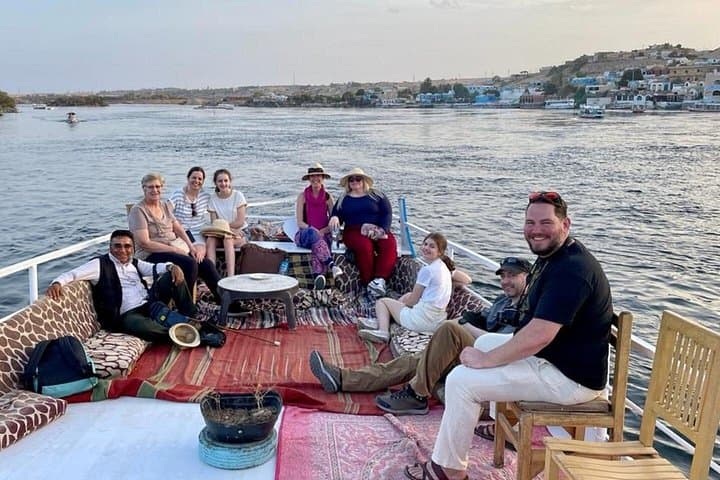
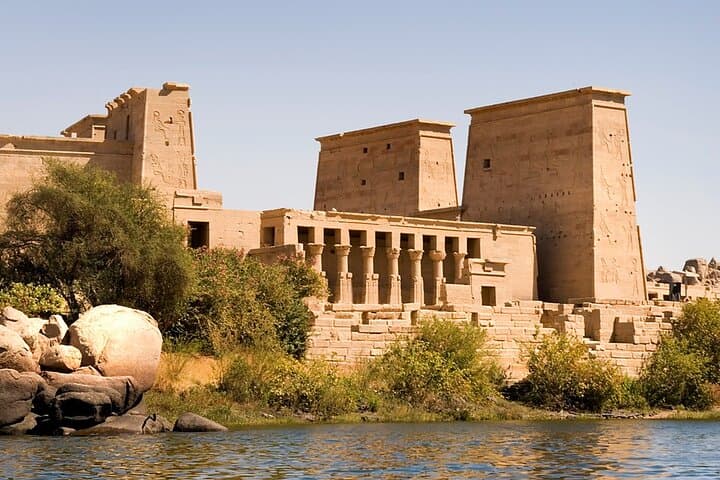
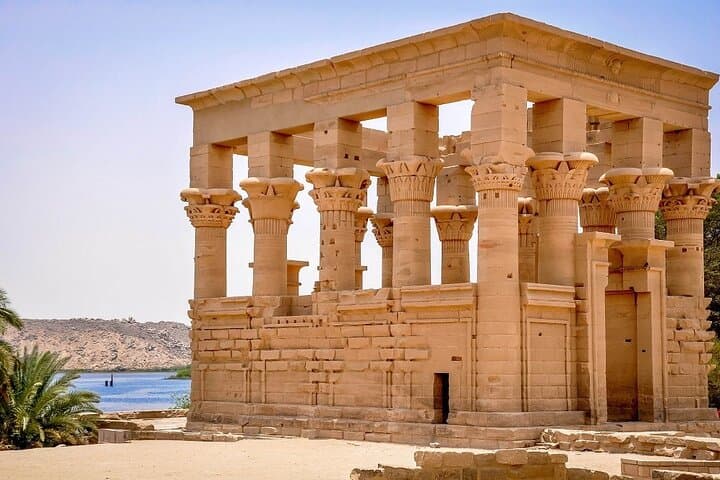
The motor boat pushes away from Aswan’s quay and the Nile widens, its surface catching light like copper. Wind moves across the river and the guide points to a low island where Philae’s columns rise—quiet, dressed in the colors of sunset. The day unfolds as a river-to-rock journey: a short glide to Philae, a walk through rescued temples, a drive to the granite quarries and then the vast concrete flank of the High Dam.
The motor boat pushes away from Aswan’s quay and the Nile widens, its surface catching light like copper. Wind moves across the river and the guide points to a low island where Philae’s columns rise—quiet, dressed in the colors of sunset. The day unfolds as a river-to-rock journey: a short glide to Philae, a walk through rescued temples, a drive to the granite quarries and then the vast concrete flank of the High Dam.
Philae was rescued from rising waters in the 1960s, carefully dismantled and reassembled on Agilkia Island after the High Dam reshaped the Nile’s seasonal rhythms. The Unfinished Obelisk at the nearby quarry shows ancient stone-working in profile—incisions, tool marks and the raw block abandoned where cracks appeared. The High Dam itself is mid-20th-century engineering: a controlled answer to floods, irrigation and electricity that fundamentally altered the Nile’s ecology and local livelihoods.
Expect shaded temple courts, stone reliefs with crisp hieroglyphs, flat walkways at the quarry and paved viewpoints at the dam. Cultural notes: local Nubian communities and Aswani markets are close by; bargaining is common if you explore after the tour.
Practical guide: the private tour runs about 5–6 hours, includes hotel pickup and bottled water but usually not entry fees—carry cash for tickets. Wear breathable layers, a wide-brim hat and sturdy shoes for uneven stone and sandy quays. Morning departures avoid heat and crowds; photocards or a camera with plenty of battery keep the light-rich details. Bring sunscreen, respect restricted areas around monuments, and leave no trace on fragile reliefs.