THE ADVENTURE COLLECTIVE® · Independent discovery and booking for outdoor travel

Board a 3‑night Nile cruise from Aswan to Luxor that pairs river relaxation with intense archaeological days—Abu Simbel, Kom Ombo, Edfu, Karnak and a sunrise hot‑air balloon over Luxor. Learn what to expect and how to prepare for early starts, temple steps and desert sun.
Board a 3‑night Nile cruise from Aswan to Luxor that pairs river relaxation with intense archaeological days—Abu Simbel, Kom Ombo, Edfu, Karnak and a sunrise hot‑air balloon over Luxor. Learn what to expect and how to prepare for early starts, temple steps and desert sun.
Dawn finds the Nile a slow mover, silvering around feluccas as you step aboard a 5‑star cruise in Aswan. The ship slips downstream past palm-fringed riverbanks, and motorboats dart to the temple islands—Philae’s columns catching the first light while the High Dam looms, a modern scar that tamed the Nile’s ancient moods.
Verified experiences and guided adventures in the surrounding area.
Operated by Best Of Egypt Tours · Aswan, Aswan
Dawn finds the Nile a slow mover, silvering around feluccas as you step aboard a 5‑star cruise in Aswan. The ship slips downstream past palm-fringed riverbanks, and motorboats dart to the temple islands—Philae’s columns catching the first light while the High Dam looms, a modern scar that tamed the Nile’s ancient moods.
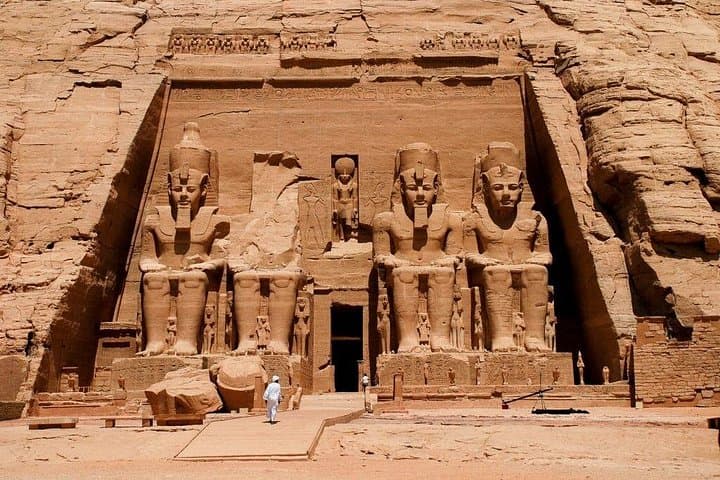
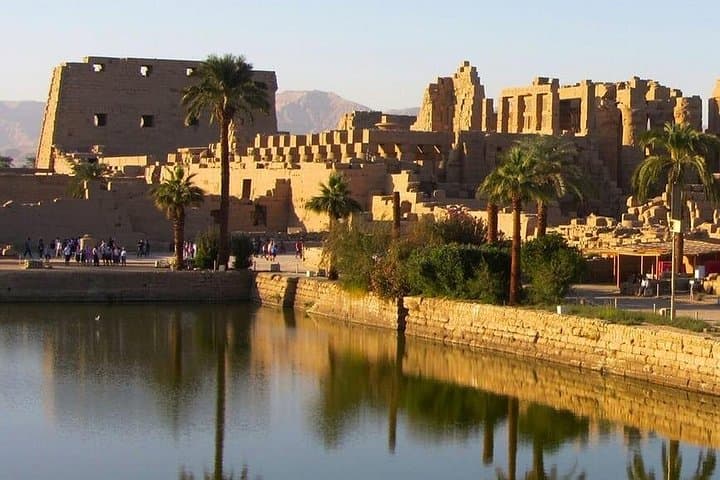
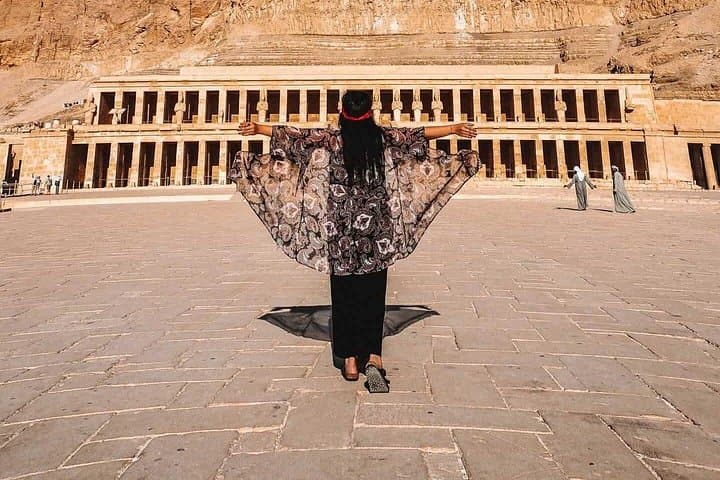
This four‑day itinerary stitches together Upper Egypt’s highlights: Aswan’s granite quarries and Nubian culture; the colossal rock-cut faces of Abu Simbel (relocated in the 1960s to save them from the rising reservoir); Kom Ombo’s dual shrines; Edfu’s well-preserved Ptolemaic temple; then Luxor’s Karnak, Luxor Temple and the Valley of the Kings. Geology is plain here—granite and sandstone carved, quarried and set as royal statements along the river that sustained pharaonic power.
Expect early starts (hot‑air balloon flights before sunrise), guided walks through open courtyards and stepped terraces, and short coach transfers between points of interest. The cruise includes meals, cabin accommodation and transfers, but archaeological sites require walking over uneven stone, steps and sandy approaches.
Practical edge: pack sun protection and breathable layers, carry small Egyptian pounds for tips and supplies, and plan for very warm afternoons—schedule strenuous sightseeing for morning hours. Bring solid walking shoes for tomb steps and temple terraces, and allow extra time at key sites—Karnak and the Valley of the Kings reward slow exploration. This trip balances the leisure of river travel with concentrated archaeological exploration—ideal for travelers who want high-impact history without jacketing up for long treks.
easy.
4 days.
Suitable for most travelers; involves short to moderate walks, stairs and standing during guided tours.
Yes—this itinerary lists the hot‑air balloon experience as included; confirm exact timing with your operator as launches depend on weather and passenger numbers.
Abu Simbel is roughly 280 km (about 3–4 hours by road) south of Aswan; larger tours use air or coach transfers—expect an early start for a day visit.
The cruise and transfers advertise wheelchair accessibility, but many temple sites include steps and uneven surfaces; contact the operator ahead to arrange assistance and verify accessibility at each stop.
A qualified Egyptology guide is included—English is commonly provided; check at booking if you need another language to be available.
Upper Egypt’s temples mark centers of pharaonic power where the Nile’s annual cycle dictated agriculture and state wealth; large temple relocations in the 1960s preserved Abu Simbel from the High Dam’s reservoir.
High visitor numbers stress fragile painted surfaces and tomb microclimates; follow signage, avoid touching reliefs, and use refillable bottles to reduce waste around sensitive riverbanks.
Best Of Egypt Tours operates guided outdoor trips and adventures with an emphasis on safety, stewardship, and memorable experiences.
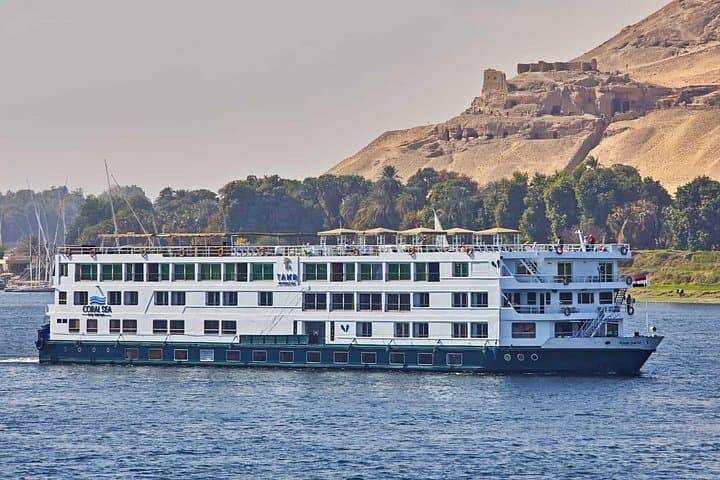
Dawn finds the Nile a slow mover, silvering around feluccas as you step aboard a 5‑star cruise in Aswan. The ship slips downstream past palm-fringed riverbanks, and motorboats dart to the temple islands—Philae’s columns catching the first light while the High Dam looms, a modern scar that tamed the Nile’s ancient moods.
Dawn finds the Nile a slow mover, silvering around feluccas as you step aboard a 5‑star cruise in Aswan. The ship slips downstream past palm-fringed riverbanks, and motorboats dart to the temple islands—Philae’s columns catching the first light while the High Dam looms, a modern scar that tamed the Nile’s ancient moods.
This four‑day itinerary stitches together Upper Egypt’s highlights: Aswan’s granite quarries and Nubian culture; the colossal rock-cut faces of Abu Simbel (relocated in the 1960s to save them from the rising reservoir); Kom Ombo’s dual shrines; Edfu’s well-preserved Ptolemaic temple; then Luxor’s Karnak, Luxor Temple and the Valley of the Kings. Geology is plain here—granite and sandstone carved, quarried and set as royal statements along the river that sustained pharaonic power.
Expect early starts (hot‑air balloon flights before sunrise), guided walks through open courtyards and stepped terraces, and short coach transfers between points of interest. The cruise includes meals, cabin accommodation and transfers, but archaeological sites require walking over uneven stone, steps and sandy approaches.
Practical edge: pack sun protection and breathable layers, carry small Egyptian pounds for tips and supplies, and plan for very warm afternoons—schedule strenuous sightseeing for morning hours. Bring solid walking shoes for tomb steps and temple terraces, and allow extra time at key sites—Karnak and the Valley of the Kings reward slow exploration. This trip balances the leisure of river travel with concentrated archaeological exploration—ideal for travelers who want high-impact history without jacketing up for long treks.