THE ADVENTURE COLLECTIVE® · Independent discovery and booking for outdoor travel

Spend a day in Aswan tracing the Nile’s story: the 1960s High Dam, a half-carved obelisk in the granite quarry, and the island temple of Philae. This private, guided tour blends engineering, archaeology and scenic boat crossings.
Spend a day in Aswan tracing the Nile’s story: the 1960s High Dam, a half-carved obelisk in the granite quarry, and the island temple of Philae. This private, guided tour blends engineering, archaeology and scenic boat crossings.
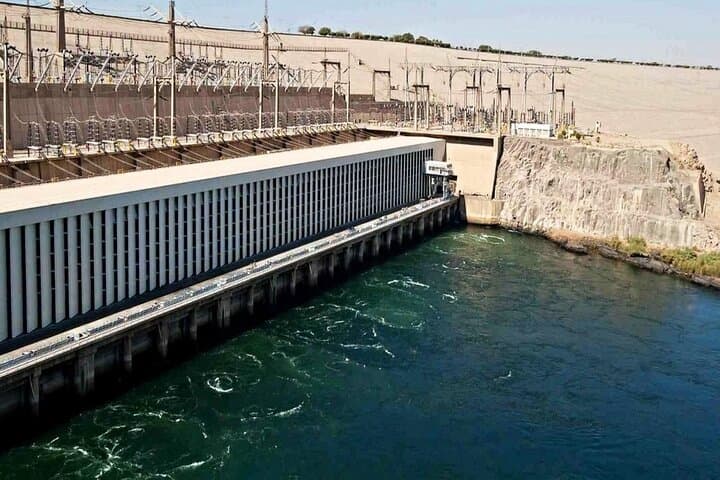
The morning light in Aswan hits the Nile with a hard, clear edge; boats cut the river like ink ribbons and the air smells faintly of river mud and dust from the quarries. Your day starts with a drive past the Aswan High Dam, a 1960s engineering move that tamed the Nile’s yearly flood and altered the region’s landscape and economy.
Verified experiences and guided adventures in the surrounding area.
Operated by Egypt Best Day Tours · Aswan, Aswan Governorate
The morning light in Aswan hits the Nile with a hard, clear edge; boats cut the river like ink ribbons and the air smells faintly of river mud and dust from the quarries. Your day starts with a drive past the Aswan High Dam, a 1960s engineering move that tamed the Nile’s yearly flood and altered the region’s landscape and economy.
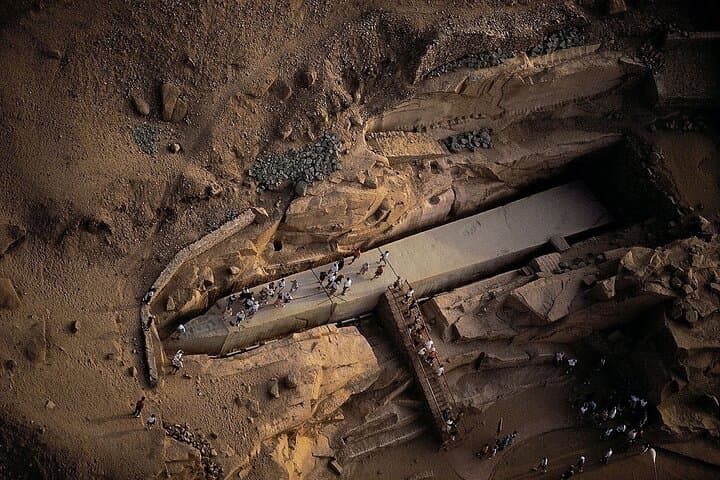
From modern concrete to ancient granite: the Unfinished Obelisk sits in the open quarry, half-hewn from bedrock. You can read the marks of chisels and imagine teams of stonecutters pausing mid-task — a raw lesson in ancient Egyptian technology and the geology of Aswan’s pink granite.
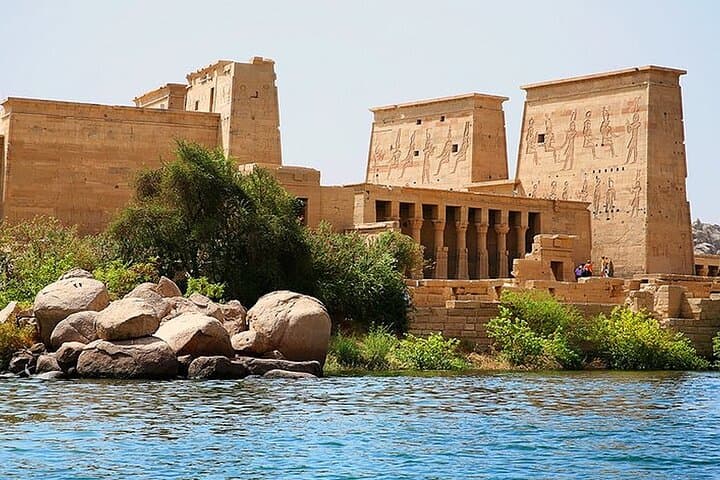
A short boat ride pushes you toward Philae’s island: courts, colonnades and chambers dedicated to Isis, relocated stone-by-stone to Agilkia Island when the High Dam threatened to drown the original site. The temple’s reliefs and the Nile’s steady current create a dialogue between sacred architecture and water that has guided local culture for millennia.
Practicalities: this private, guided six-hour tour typically includes hotel pickup, bottled water and an Egyptologist—admissions may be separate. Walks on relatively even surfaces and short stairs make the day accessible for most travelers; wear sun-proof clothing, sturdy shoes, and plan for heat by traveling early or late in the day. Carry local cash for entrance fees and tips; expect brief boat transfers and guided commentary that connects the sites’ archaeology, engineering and modern significance. By day’s end you’ll have seen the sweep of Nile history—from quarry to temple to dam—framed against Aswan’s slow-moving river life.
easy.
6 hours.
Suitable for most fitness levels—requires standing, short walks, and climbing modest stairs.
This tour description indicates admissions are not included; expect to pay separately at sites unless your booking specifies otherwise.
Yes—walking is limited and the pace is relaxed, but there are stairs at Philae and uneven surfaces at the quarry; request assistance or alternative routing if needed.
Boat crossings from the Aswan shore to Agilkia Island are short—generally under 15 minutes—depending on water level and local operators.
Visits typically include panoramic views of the High Dam and explanations from your guide; interior access is restricted and not usually part of a standard day tour.
The Aswan High Dam (completed in 1970) reshaped the Nile’s flow and prompted international efforts to relocate endangered monuments such as Philae to higher ground in a 1960s–70s UNESCO project.
Respect fragile reliefs and follow site rules; reducing plastic waste and supporting licensed local guides helps protect archaeological sites and local livelihoods.
Egypt Best Day Tours operates guided outdoor trips and adventures with an emphasis on safety, stewardship, and memorable experiences.

The morning light in Aswan hits the Nile with a hard, clear edge; boats cut the river like ink ribbons and the air smells faintly of river mud and dust from the quarries. Your day starts with a drive past the Aswan High Dam, a 1960s engineering move that tamed the Nile’s yearly flood and altered the region’s landscape and economy.
The morning light in Aswan hits the Nile with a hard, clear edge; boats cut the river like ink ribbons and the air smells faintly of river mud and dust from the quarries. Your day starts with a drive past the Aswan High Dam, a 1960s engineering move that tamed the Nile’s yearly flood and altered the region’s landscape and economy.
From modern concrete to ancient granite: the Unfinished Obelisk sits in the open quarry, half-hewn from bedrock. You can read the marks of chisels and imagine teams of stonecutters pausing mid-task — a raw lesson in ancient Egyptian technology and the geology of Aswan’s pink granite.
A short boat ride pushes you toward Philae’s island: courts, colonnades and chambers dedicated to Isis, relocated stone-by-stone to Agilkia Island when the High Dam threatened to drown the original site. The temple’s reliefs and the Nile’s steady current create a dialogue between sacred architecture and water that has guided local culture for millennia.
Practicalities: this private, guided six-hour tour typically includes hotel pickup, bottled water and an Egyptologist—admissions may be separate. Walks on relatively even surfaces and short stairs make the day accessible for most travelers; wear sun-proof clothing, sturdy shoes, and plan for heat by traveling early or late in the day. Carry local cash for entrance fees and tips; expect brief boat transfers and guided commentary that connects the sites’ archaeology, engineering and modern significance. By day’s end you’ll have seen the sweep of Nile history—from quarry to temple to dam—framed against Aswan’s slow-moving river life.