THE ADVENTURE COLLECTIVE® · Independent discovery and booking for outdoor travel

A four-day, upstream Nile cruise from Aswan to Luxor that pairs riverside sailing with iconic archaeological visits to Abu Simbel, Kom Ombo, Edfu and the Valley of the Kings. Optional hot air balloon flights over Luxor add an aerial view at dawn.
A four-day, upstream Nile cruise from Aswan to Luxor that pairs riverside sailing with iconic archaeological visits to Abu Simbel, Kom Ombo, Edfu and the Valley of the Kings. Optional hot air balloon flights over Luxor add an aerial view at dawn.
The sun lifts off the horizon as your cruise slips away from Aswan — the Nile’s slow current nudging the hull while village life unfolds on either bank: cattle, fishermen casting long lines, and palms that lean like old companions.
Verified experiences and guided adventures in the surrounding area.
Operated by Go Tours Egypt · Aswan, Aswan Governorate
The sun lifts off the horizon as your cruise slips away from Aswan — the Nile’s slow current nudging the hull while village life unfolds on either bank: cattle, fishermen casting long lines, and palms that lean like old companions.
Over four days you move through Egypt’s layered history. Granite quarries and the incomplete obelisk at Aswan tell of hard stone and ancient ambition; Abu Simbel’s colossal faces are the public theater of Ramses II; Kom Ombo and Edfu are paired temples of crocodiles and Horus carved from sandstone. Luxor closes the loop with the Valley of the Kings and Karnak’s avenue of columns.
Geology shapes the trip: hard granite in Aswan, softer Nile sandstone downstream, and the river’s annual floodplain that fed pharaonic wealth. Culturally, expect Nubian neighborhoods near Aswan and a strong guide presence explaining ritual, iconography, and the modern projects — like the Aswan High Dam — that remade the river.
Practical guide: pack sun protection and sturdy walking shoes for uneven temple steps and stone thresholds. Tours to Abu Simbel are long days (early pickup, often by bus), so bring snacks and a refillable bottle; the cruise provides most meals. The hot air balloon over Luxor is optional, best booked in advance and scheduled before dawn.
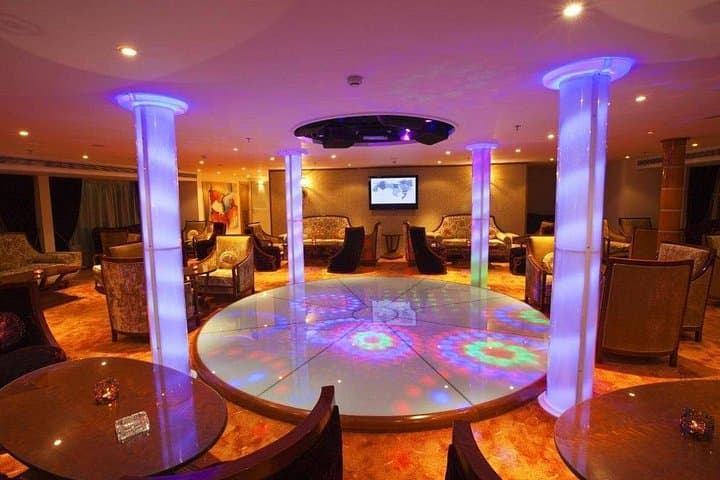
Logistics to note: cabins on a 5-star cruise are compact but comfortable; mobility access varies at sites despite wheelchair-friendly transfers. Carry local currency for tips, expect early mornings and a steady rhythm of guided visits, then quiet afternoons on the sun deck watching the Nile’s slow tableau.
easy.
4 days (≈96 hours).
Suitable for travelers in average fitness; must be able to walk short distances on uneven surfaces and manage occasional stairs.
No — the hot air balloon over Luxor is optional and typically booked for an additional fee; it launches at dawn and requires advance reservation.
Shared small-group transfers to Abu Simbel usually depart very early and can take about 3–4 hours each way by road, depending on pickup location and traffic.
Transfers and some cruise services are wheelchair accessible, but many temple sites have stairs and uneven terrain; full access can be limited on-site.
Bring US dollars or Egyptian pounds for tips, market purchases, and small extras; major cards work in some hotels but not at all sites.
This stretch of the Nile carries monuments from the New Kingdom and earlier; Abu Simbel was relocated in the 1960s to save it from the Aswan High Dam’s reservoir.
Tour operators work with Egyptian authorities to manage visitor numbers at fragile sites; minimize impact by staying on paths, avoiding flash photography where prohibited, and using refillable water bottles.
Go Tours Egypt operates guided outdoor trips and adventures with an emphasis on safety, stewardship, and memorable experiences.
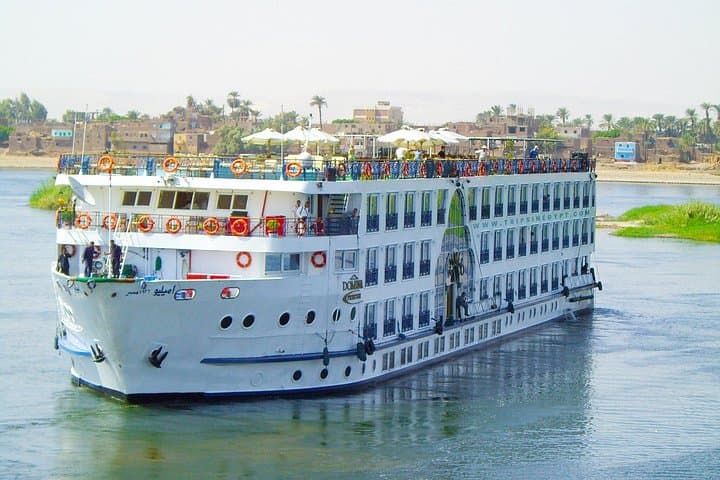
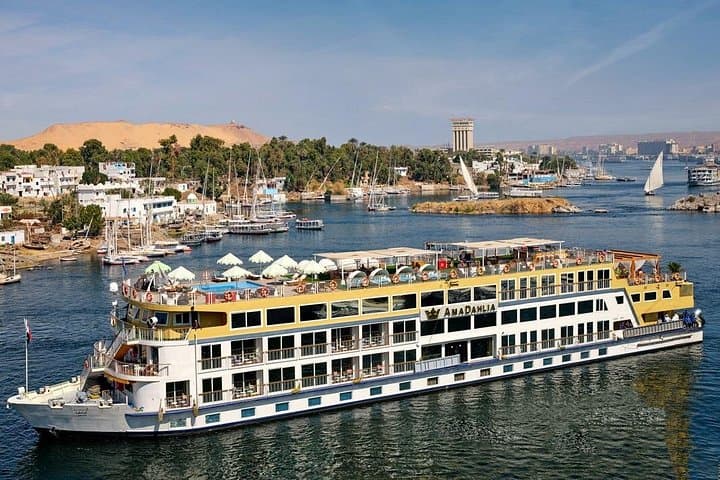
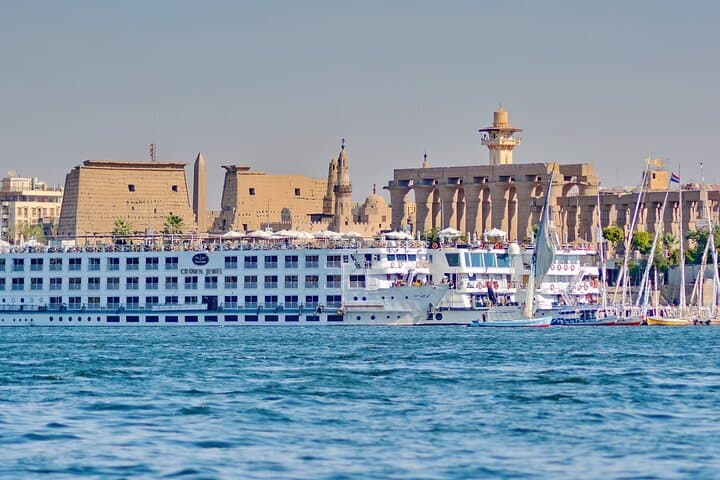
The sun lifts off the horizon as your cruise slips away from Aswan — the Nile’s slow current nudging the hull while village life unfolds on either bank: cattle, fishermen casting long lines, and palms that lean like old companions.
The sun lifts off the horizon as your cruise slips away from Aswan — the Nile’s slow current nudging the hull while village life unfolds on either bank: cattle, fishermen casting long lines, and palms that lean like old companions.
Over four days you move through Egypt’s layered history. Granite quarries and the incomplete obelisk at Aswan tell of hard stone and ancient ambition; Abu Simbel’s colossal faces are the public theater of Ramses II; Kom Ombo and Edfu are paired temples of crocodiles and Horus carved from sandstone. Luxor closes the loop with the Valley of the Kings and Karnak’s avenue of columns.
Geology shapes the trip: hard granite in Aswan, softer Nile sandstone downstream, and the river’s annual floodplain that fed pharaonic wealth. Culturally, expect Nubian neighborhoods near Aswan and a strong guide presence explaining ritual, iconography, and the modern projects — like the Aswan High Dam — that remade the river.
Practical guide: pack sun protection and sturdy walking shoes for uneven temple steps and stone thresholds. Tours to Abu Simbel are long days (early pickup, often by bus), so bring snacks and a refillable bottle; the cruise provides most meals. The hot air balloon over Luxor is optional, best booked in advance and scheduled before dawn.
Logistics to note: cabins on a 5-star cruise are compact but comfortable; mobility access varies at sites despite wheelchair-friendly transfers. Carry local currency for tips, expect early mornings and a steady rhythm of guided visits, then quiet afternoons on the sun deck watching the Nile’s slow tableau.