THE ADVENTURE COLLECTIVE® · Independent discovery and booking for outdoor travel

Explore Abu Simbel’s monumental temples, the island sanctuary of Philae, the unfinished obelisk and the Aswan High Dam on a compact 2-day guided package. Ideal for travelers who want concentrated history, dramatic monuments and smooth logistics.
Explore Abu Simbel’s monumental temples, the island sanctuary of Philae, the unfinished obelisk and the Aswan High Dam on a compact 2-day guided package. Ideal for travelers who want concentrated history, dramatic monuments and smooth logistics.
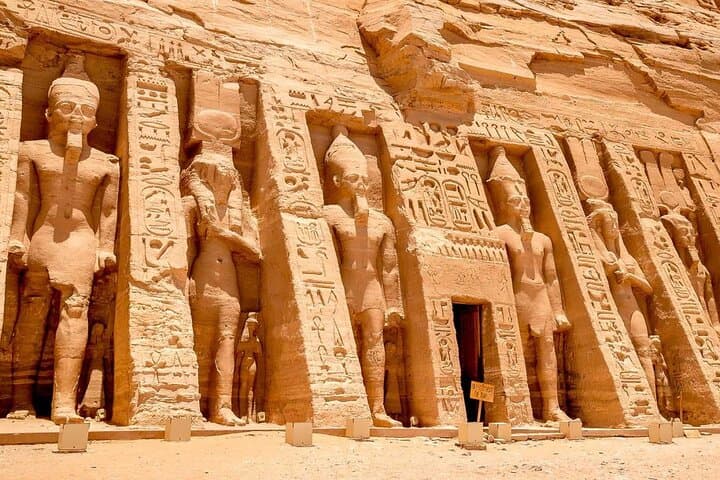
Morning light breaks over the Nile as an air-conditioned car eases out of Aswan, the desert wind urging travelers toward the southern horizon. On day one the road stretches and the landscape flattens; by mid-morning the colossal faces of Ramesses II loom from rock, the Abu Simbel temples holding centuries of sun and sand like a slow pulse.
Verified experiences and guided adventures in the surrounding area.
Operated by Emo Tours Swiss · Aswan, Aswan Governorate
Morning light breaks over the Nile as an air-conditioned car eases out of Aswan, the desert wind urging travelers toward the southern horizon. On day one the road stretches and the landscape flattens; by mid-morning the colossal faces of Ramesses II loom from rock, the Abu Simbel temples holding centuries of sun and sand like a slow pulse.
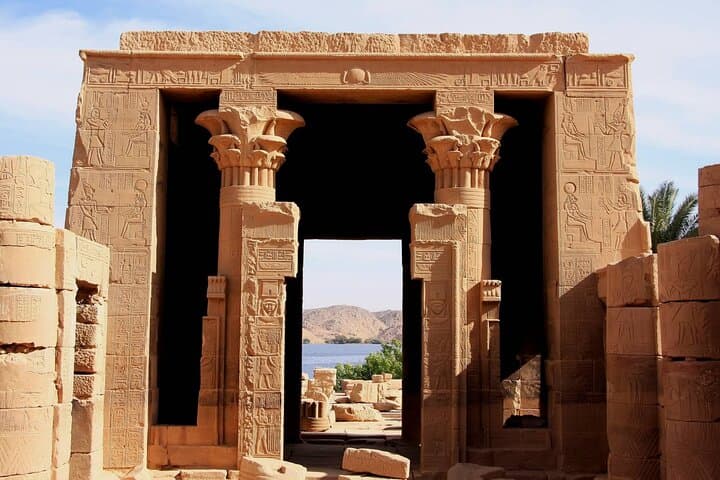
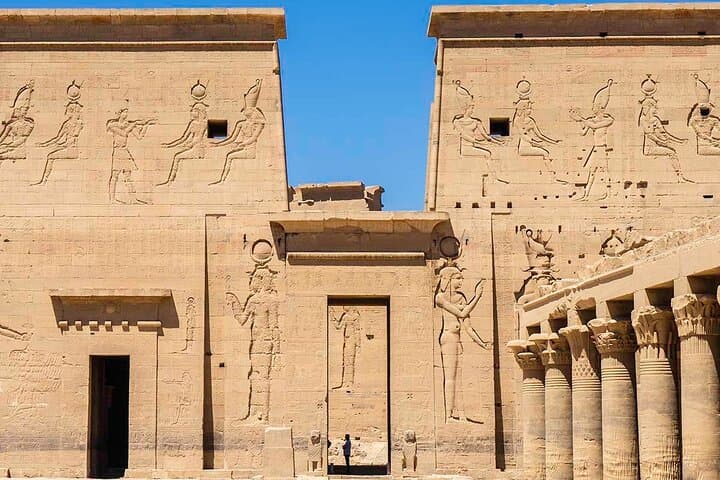
This two-day itinerary threads together key chapters of Upper Egypt’s story: the relocated Philae complex, rescued from rising waters during the 20th-century Nile engineering projects; the unfinished obelisk hewn from Aswan’s pink granite; and the High Dam, a modern leviathan that reshaped the river and the region’s agriculture. Geology is immediate here—hard granite carved by ancient hands, the Nile pushing against rock and reshaping human settlement for millennia.
Expect guided walks on flat temple terraces, short boat transfers to Philae/Agilkia Island, and a three-hour drive each way to Abu Simbel in a private vehicle. The pace is cultural, not strenuous, but sun, reflective stone, and occasional uneven steps demand respect. Practical notes: carry plenty of water, sun protection, and modest clothing for temple entry; plan visits in early morning to avoid midday heat and crowds.
Logistics are straightforward—hotel pickup and private guide, admission where noted, and basic accessibility varies by site. For photographers and history-minded travelers, the trip pairs dramatic monuments with clear context: why these sites were built, how they were saved, and how the Nile’s moods continue to shape life in Aswan.
easy.
2 days.
Suitable for most fitness levels; involves walking on uneven stone, short stairs, and a multi-hour drive.
The drive takes about three hours each way by private vehicle; plan roughly a full day for the Abu Simbel visit including transit time.
This package notes admissions included for some sites (Philae, Unfinished Obelisk, High Dam) and guide/transport are provided—confirm specifics with the operator before travel.
Yes—this tour is rated easy physically, but long drives and sun exposure may be challenging for very young children or guests with certain health conditions.
Yes; the operator can accommodate common dietary requirements such as vegetarian, vegan and gluten-free if advised in advance.
These monuments span Pharaonic ambition to 20th-century engineering—the High Dam and the UNESCO-led Nubia Rescue Project that moved Philae and saved Abu Simbel from Lake Nasser.
The region balances heritage protection with tourism; follow site rules, avoid touching reliefs, and favor refillable bottles to reduce waste.
Emo Tours Swiss operates guided outdoor trips and adventures with an emphasis on safety, stewardship, and memorable experiences.

Morning light breaks over the Nile as an air-conditioned car eases out of Aswan, the desert wind urging travelers toward the southern horizon. On day one the road stretches and the landscape flattens; by mid-morning the colossal faces of Ramesses II loom from rock, the Abu Simbel temples holding centuries of sun and sand like a slow pulse.
Morning light breaks over the Nile as an air-conditioned car eases out of Aswan, the desert wind urging travelers toward the southern horizon. On day one the road stretches and the landscape flattens; by mid-morning the colossal faces of Ramesses II loom from rock, the Abu Simbel temples holding centuries of sun and sand like a slow pulse.
This two-day itinerary threads together key chapters of Upper Egypt’s story: the relocated Philae complex, rescued from rising waters during the 20th-century Nile engineering projects; the unfinished obelisk hewn from Aswan’s pink granite; and the High Dam, a modern leviathan that reshaped the river and the region’s agriculture. Geology is immediate here—hard granite carved by ancient hands, the Nile pushing against rock and reshaping human settlement for millennia.
Expect guided walks on flat temple terraces, short boat transfers to Philae/Agilkia Island, and a three-hour drive each way to Abu Simbel in a private vehicle. The pace is cultural, not strenuous, but sun, reflective stone, and occasional uneven steps demand respect. Practical notes: carry plenty of water, sun protection, and modest clothing for temple entry; plan visits in early morning to avoid midday heat and crowds.
Logistics are straightforward—hotel pickup and private guide, admission where noted, and basic accessibility varies by site. For photographers and history-minded travelers, the trip pairs dramatic monuments with clear context: why these sites were built, how they were saved, and how the Nile’s moods continue to shape life in Aswan.