THE ADVENTURE COLLECTIVE® · Independent discovery and booking for outdoor travel

Follow a six‑hour coastal route through Asturias’ protected western shore: cliffs, pebble beaches, a working rural coastline and a lighthouse with sweeping views. Tide windows can reveal a dramatic sea cave—bring good boots and check conditions.
Follow a six‑hour coastal route through Asturias’ protected western shore: cliffs, pebble beaches, a working rural coastline and a lighthouse with sweeping views. Tide windows can reveal a dramatic sea cave—bring good boots and check conditions.
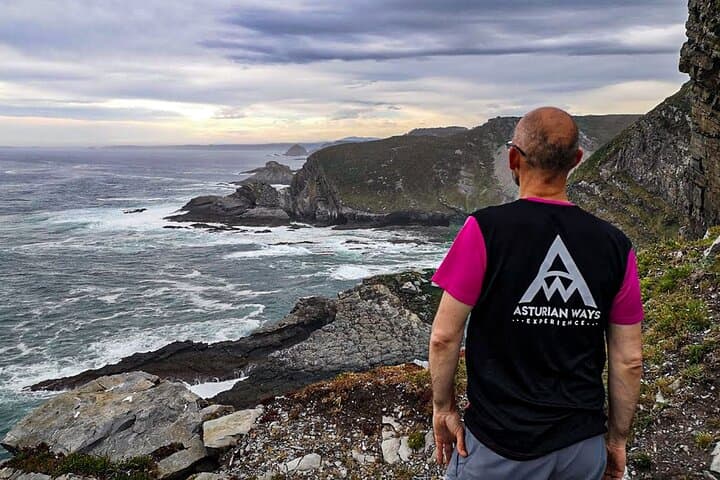
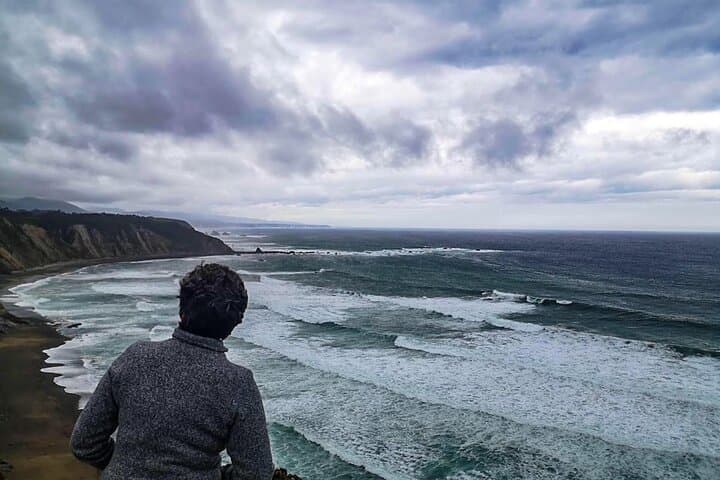
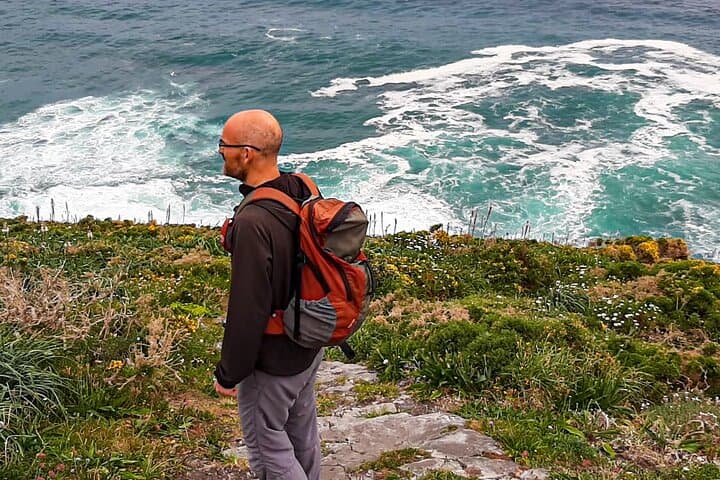
You step onto a narrow path above the Atlantic, wind roughening your jacket and the cliffs ahead daring you to keep moving. Low stone walls, corn fields and grazing cows mark the human rhythm here while waves push against the base of the headlands. Over six hours the route threads beaches, tracks and stony shelves, finishing at a weathered lighthouse that opens a panoramic cut of Asturias’ western shore.
Verified experiences and guided adventures in the surrounding area.
Operated by ASTURIAN WAYS · Luarca, Asturias
You step onto a narrow path above the Atlantic, wind roughening your jacket and the cliffs ahead daring you to keep moving. Low stone walls, corn fields and grazing cows mark the human rhythm here while waves push against the base of the headlands. Over six hours the route threads beaches, tracks and stony shelves, finishing at a weathered lighthouse that opens a panoramic cut of Asturias’ western shore.
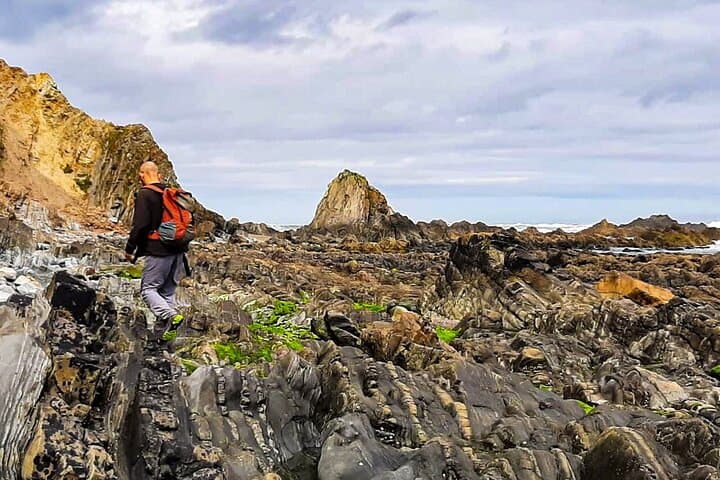
This protected landscape—part of the Western Coast of Asturias—reflects a long coastal culture: horreos (raised grain stores), traditional fishing hamlets and fields that drop to cliff edges. Geologically the coast is folded Paleozoic rock, scoured into caves and small coves by relentless surf; when tides are low and seas are calm a cave tucked in the cliff becomes an optional highlight, though access can be slippery.
Expect varied terrain: coastal paths, sections of pebble (bowling) beach, short steep pitches and exposed cliff tracks. The guide will often loan trekking poles to help with wet rock and loose footing. Cultural notes crop up en route—lighthouse history, local grazing practices and the working coastline that remains surprisingly intact.
Practical guidance: plan around tides and swell forecasts, wear waterproof layers and sturdy boots with good grip, and allow the full six hours including photo stops. Bring 1.5–2L water, snacks, sun protection and a compact windproof. This is a moderate outing—rewarding for hikers who want wild coastal exposure, quiet beaches and a slice of traditional Asturian life without needing technical climbing gear.
moderate.
6 hours.
Moderate fitness: regular hikers comfortable with full‑day walks, short steep sections and uneven terrain.
No—access depends on tide and sea conditions; guides will attempt the visit only when low tide and calm swell make the approach safe.
The route is rated moderate: full‑day hiking with uneven terrain, some short steep sections and potentially slippery rock near the cave.
Yes—loan of trekking poles is included, though you can bring your own if you prefer.
Participation depends on age, fitness and the guide's discretion; confirm booking requirements and safety considerations with the operator.
The western Asturian coast preserves centuries‑old fishing and farming practices; many lighthouses in the area date to the 19th century and guided safe coastal navigation.
This is a protected landscape—stay on marked paths, pack out all waste and respect grazing areas to minimize erosion and disturbance to nesting birds.
ASTURIAN WAYS operates guided outdoor trips and adventures with an emphasis on safety, stewardship, and memorable experiences.
You step onto a narrow path above the Atlantic, wind roughening your jacket and the cliffs ahead daring you to keep moving. Low stone walls, corn fields and grazing cows mark the human rhythm here while waves push against the base of the headlands. Over six hours the route threads beaches, tracks and stony shelves, finishing at a weathered lighthouse that opens a panoramic cut of Asturias’ western shore.
You step onto a narrow path above the Atlantic, wind roughening your jacket and the cliffs ahead daring you to keep moving. Low stone walls, corn fields and grazing cows mark the human rhythm here while waves push against the base of the headlands. Over six hours the route threads beaches, tracks and stony shelves, finishing at a weathered lighthouse that opens a panoramic cut of Asturias’ western shore.
This protected landscape—part of the Western Coast of Asturias—reflects a long coastal culture: horreos (raised grain stores), traditional fishing hamlets and fields that drop to cliff edges. Geologically the coast is folded Paleozoic rock, scoured into caves and small coves by relentless surf; when tides are low and seas are calm a cave tucked in the cliff becomes an optional highlight, though access can be slippery.
Expect varied terrain: coastal paths, sections of pebble (bowling) beach, short steep pitches and exposed cliff tracks. The guide will often loan trekking poles to help with wet rock and loose footing. Cultural notes crop up en route—lighthouse history, local grazing practices and the working coastline that remains surprisingly intact.
Practical guidance: plan around tides and swell forecasts, wear waterproof layers and sturdy boots with good grip, and allow the full six hours including photo stops. Bring 1.5–2L water, snacks, sun protection and a compact windproof. This is a moderate outing—rewarding for hikers who want wild coastal exposure, quiet beaches and a slice of traditional Asturian life without needing technical climbing gear.