THE ADVENTURE COLLECTIVE® · Independent discovery and booking for outdoor travel

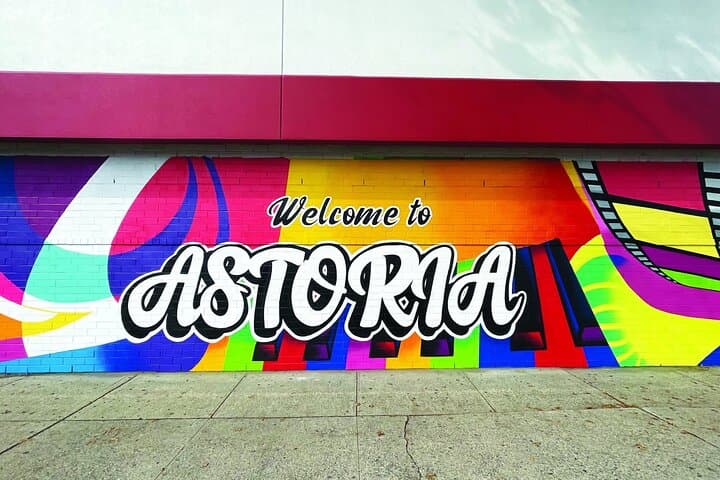
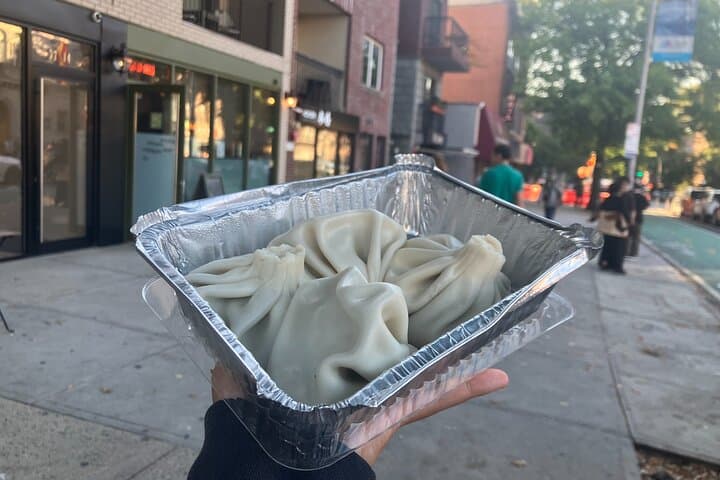
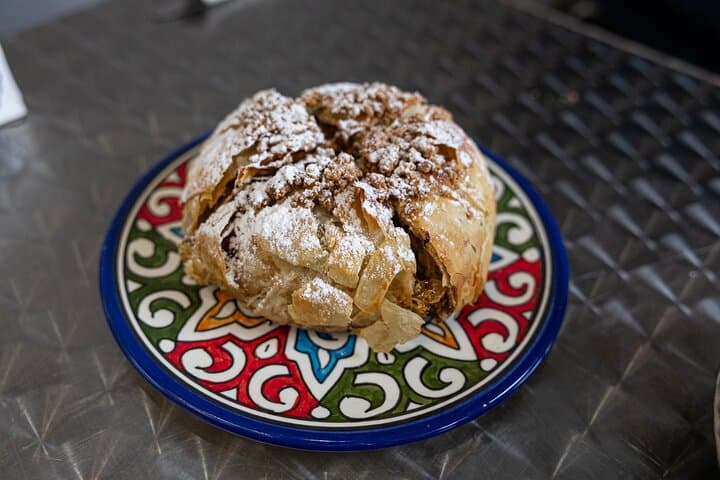
Taste your way through Astoria in a two-hour walking tour that stops at six food spots and three specialty markets. Expect hearty samplings from Greek grills, Georgian dumplings, Moroccan pastilla and more — all led by a local guide who knows the neighborhood.
Taste your way through Astoria in a two-hour walking tour that stops at six food spots and three specialty markets. Expect hearty samplings from Greek grills, Georgian dumplings, Moroccan pastilla and more — all led by a local guide who knows the neighborhood.
You meet at the steps of the Queens Public Library as mid-day light fills Broadway and the air hums with frying pans and fresh bread. Aromas dare you to follow — sharp olives, toasted sesame, cinnamon sugar — and the guide leads the small group into side streets where markets spill over with fruit crates and storefront grills smoke like campfires in the city.
Verified experiences and guided adventures in the surrounding area.
Operated by Yuuyake Travel and Tours · Astoria, New York
You meet at the steps of the Queens Public Library as mid-day light fills Broadway and the air hums with frying pans and fresh bread. Aromas dare you to follow — sharp olives, toasted sesame, cinnamon sugar — and the guide leads the small group into side streets where markets spill over with fruit crates and storefront grills smoke like campfires in the city.
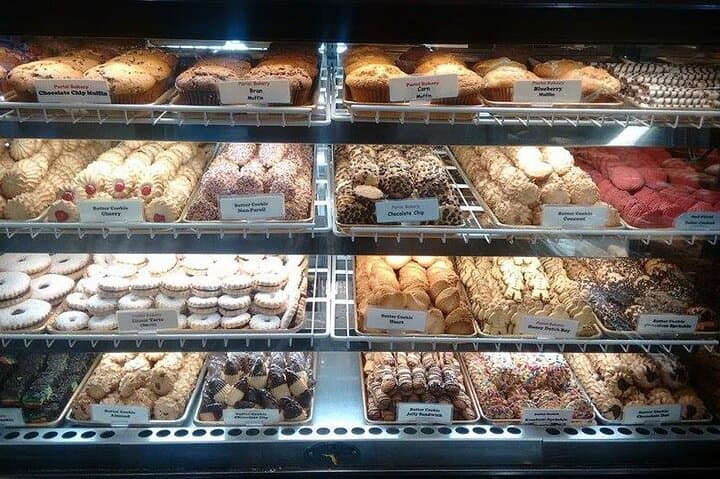
Astoria’s story is written in its storefronts: 20th-century Greek immigrants who made 30th Avenue a dining corridor, waves of global arrivals since the 1960s, and a waterfront once shaped by glacial tides now held by parks and raised embankments. The tour threads culinary touchstones — Georgian khinkali, Colombian pandebono, Moroccan pastilla, Greek souvlaki, and an old-school Italian cannoli — with stops inside Mediterranean and Japanese groceries that reveal how families cook at home.
Practicalities are straightforward: this is an easy, two-hour neighborhood walk (roughly 1–1.5 miles) mostly on flat pavement with brief indoor stops. Come hungry and pace yourself; tastings add up to a full lunch. Public transit is the most convenient way to arrive — Steinway Street and Broadway stations sit within a five-minute walk — and the meeting point has restrooms and shelter. Note the tour isn’t suitable for some dietary restrictions (vegan, gluten-free, lactose- or nut-free). Wear comfortable shoes, bring a light daypack for purchases, and carry a small amount of cash for extra snacks. The guide can point you to nearby late-afternoon options if you want to extend the neighborhood visit.
easy.
2 hours.
Suitable for most fitness levels; expect 1–1.5 miles of easy urban walking on pavement.
Yes — meeting point, most stops, and walking routes are wheelchair accessible, but contact the operator with specific needs before booking.
The tour includes gluten, dairy and nuts and is not suitable for some restrictions; inquire in advance but the operator may not be able to fully accommodate strict diets.
About 1–1.5 miles over two hours on mostly flat, paved streets with frequent stops for tastings and market visits.
Tipping is customary for food tours; 15–20% of the tour price or a per-person tip is a reasonable guideline if you enjoyed the experience.
Astoria grew into a dining neighborhood as Greek immigrants concentrated along 30th Avenue in the mid-1900s; subsequent immigrant communities layered new cuisines onto the streets.
Support local businesses and reduce single-use waste by bringing a reusable bottle and bag; many vendors use small-scale suppliers and benefit directly from responsible tourism.
Yuuyake Travel and Tours operates guided outdoor trips and adventures with an emphasis on safety, stewardship, and memorable experiences.
You meet at the steps of the Queens Public Library as mid-day light fills Broadway and the air hums with frying pans and fresh bread. Aromas dare you to follow — sharp olives, toasted sesame, cinnamon sugar — and the guide leads the small group into side streets where markets spill over with fruit crates and storefront grills smoke like campfires in the city.
You meet at the steps of the Queens Public Library as mid-day light fills Broadway and the air hums with frying pans and fresh bread. Aromas dare you to follow — sharp olives, toasted sesame, cinnamon sugar — and the guide leads the small group into side streets where markets spill over with fruit crates and storefront grills smoke like campfires in the city.
Astoria’s story is written in its storefronts: 20th-century Greek immigrants who made 30th Avenue a dining corridor, waves of global arrivals since the 1960s, and a waterfront once shaped by glacial tides now held by parks and raised embankments. The tour threads culinary touchstones — Georgian khinkali, Colombian pandebono, Moroccan pastilla, Greek souvlaki, and an old-school Italian cannoli — with stops inside Mediterranean and Japanese groceries that reveal how families cook at home.
Practicalities are straightforward: this is an easy, two-hour neighborhood walk (roughly 1–1.5 miles) mostly on flat pavement with brief indoor stops. Come hungry and pace yourself; tastings add up to a full lunch. Public transit is the most convenient way to arrive — Steinway Street and Broadway stations sit within a five-minute walk — and the meeting point has restrooms and shelter. Note the tour isn’t suitable for some dietary restrictions (vegan, gluten-free, lactose- or nut-free). Wear comfortable shoes, bring a light daypack for purchases, and carry a small amount of cash for extra snacks. The guide can point you to nearby late-afternoon options if you want to extend the neighborhood visit.