THE ADVENTURE COLLECTIVE® · Independent discovery and booking for outdoor travel

A compact half-day trek from Pokhara to Astham delivers sweeping Himalayan vistas and a slice of hill-village life. Expect a 5-hour outing with steady climbs, terraced fields and clear mountain views—ideal as a morning or late-afternoon escape.
A compact half-day trek from Pokhara to Astham delivers sweeping Himalayan vistas and a slice of hill-village life. Expect a 5-hour outing with steady climbs, terraced fields and clear mountain views—ideal as a morning or late-afternoon escape.
You leave Pokhara’s bustle behind on a short drive up switchbacks and through patchwork fields, then set off on a steady path that climbs toward a hilltop village. The trail opens into terraces and scattered houses; at the ridge the valley drops away and the Annapurna range lays itself out, peaks cut sharp against the sky. Cold air moves like a presence here—clear, insistent, and honest about altitude.
Verified experiences and guided adventures in the surrounding area.
Operated by Peak to Peak Tours and Treks Pvt Ltd · Pokhara, Gandaki Province
You leave Pokhara’s bustle behind on a short drive up switchbacks and through patchwork fields, then set off on a steady path that climbs toward a hilltop village. The trail opens into terraces and scattered houses; at the ridge the valley drops away and the Annapurna range lays itself out, peaks cut sharp against the sky. Cold air moves like a presence here—clear, insistent, and honest about altitude.
Astham sits on a newly popular ridge about 29 km from central Pokhara. The landscape is young geology—river-cut valleys with uplifted foothills—where terraced agriculture shapes the slopes and small streams have carved drainages used as livestock paths for generations. Cultural notes are immediate: stone walls, prayer flags, and farm plots worked by families from Gurung and Magar communities who have lived in the foothills for centuries.
Expect a compact half-day outing: roughly 6–8 km round-trip with about 300–400 m of ascent over mixed dirt trail, village lanes and steps. Terrain alternates between packed soil and short rocky sections—good footing is essential. Views are the main reward: sunrise or late afternoon light slices through the ridgeline and pushes the high peaks into relief.
Practical guide: go early for best visibility, bring 1–1.5 L water, a light wind layer, and solid shoes. Local guides add cultural context and navigate seasonal trail changes. Respect private plots, ask before photographing people, and carry out any trash—these trails are small and sensitive to erosion.
easy.
5 hours.
Suitable for most fitness levels; expect sustained walking with short steeper pitches—basic endurance and stable ankles recommended
The outing is about 5 hours total, roughly 6–8 km round-trip with 300–400 m of climbing—rated easy for walkers with basic fitness.
No special permits are required; a licensed local guide is included in many bookings and adds cultural and route knowledge—useful during monsoon or low visibility.
Fall (Sept–Nov) and spring (Mar–May) offer the clearest mountain views; summer can be green but wet, and winter is colder with crisp skies.
Yes—trail sections are gradual, but plan for steady walking time, bring breaks, and consider a guide if anyone has mobility concerns.
The hill villages around Pokhara reflect Gurung and Magar farming traditions, with stone walls and terraced agriculture shaped over generations.
Trails are narrow and prone to erosion—stay on established paths, avoid trampling crops, and pack out all waste to preserve the fragile foothill environment.
Peak to Peak Tours and Treks Pvt Ltd operates guided outdoor trips and adventures with an emphasis on safety, stewardship, and memorable experiences.
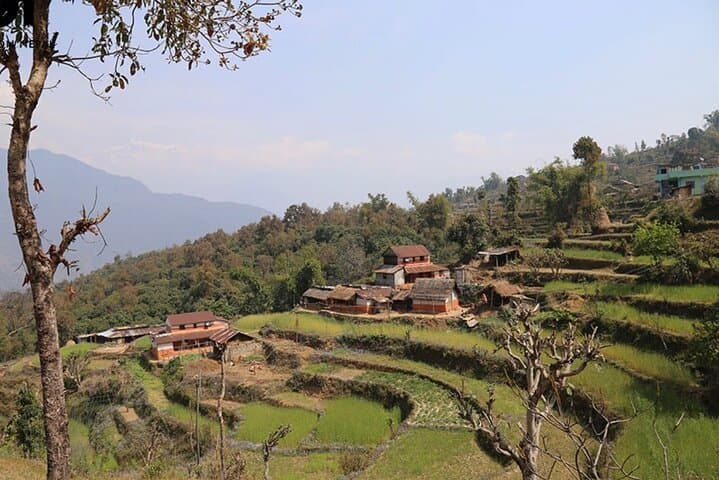
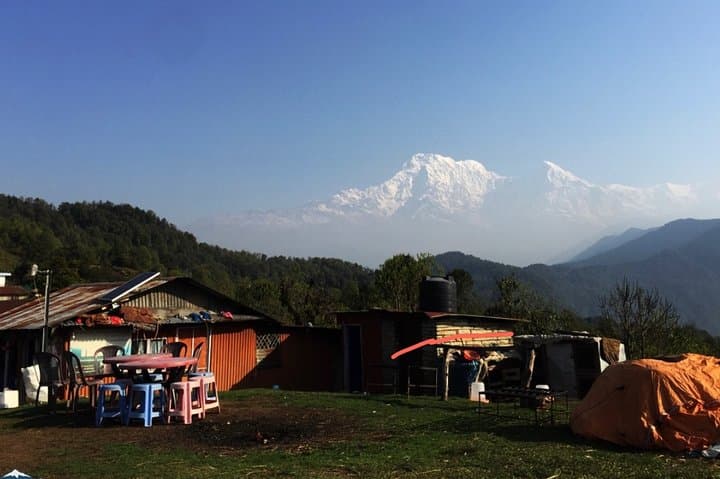
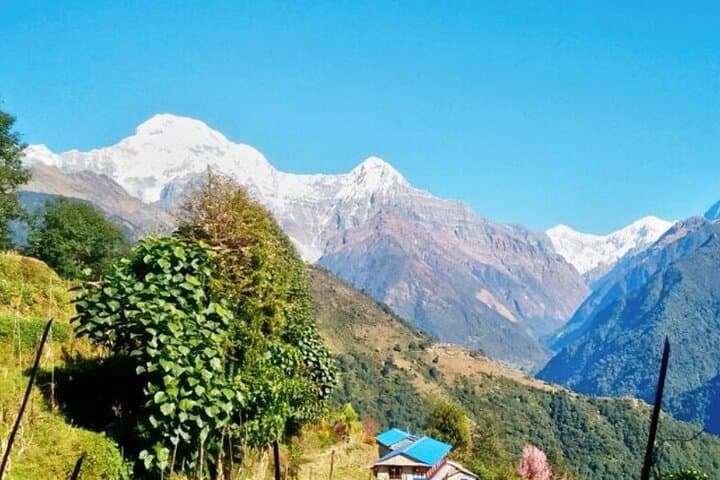
You leave Pokhara’s bustle behind on a short drive up switchbacks and through patchwork fields, then set off on a steady path that climbs toward a hilltop village. The trail opens into terraces and scattered houses; at the ridge the valley drops away and the Annapurna range lays itself out, peaks cut sharp against the sky. Cold air moves like a presence here—clear, insistent, and honest about altitude.
You leave Pokhara’s bustle behind on a short drive up switchbacks and through patchwork fields, then set off on a steady path that climbs toward a hilltop village. The trail opens into terraces and scattered houses; at the ridge the valley drops away and the Annapurna range lays itself out, peaks cut sharp against the sky. Cold air moves like a presence here—clear, insistent, and honest about altitude.
Astham sits on a newly popular ridge about 29 km from central Pokhara. The landscape is young geology—river-cut valleys with uplifted foothills—where terraced agriculture shapes the slopes and small streams have carved drainages used as livestock paths for generations. Cultural notes are immediate: stone walls, prayer flags, and farm plots worked by families from Gurung and Magar communities who have lived in the foothills for centuries.
Expect a compact half-day outing: roughly 6–8 km round-trip with about 300–400 m of ascent over mixed dirt trail, village lanes and steps. Terrain alternates between packed soil and short rocky sections—good footing is essential. Views are the main reward: sunrise or late afternoon light slices through the ridgeline and pushes the high peaks into relief.
Practical guide: go early for best visibility, bring 1–1.5 L water, a light wind layer, and solid shoes. Local guides add cultural context and navigate seasonal trail changes. Respect private plots, ask before photographing people, and carry out any trash—these trails are small and sensitive to erosion.