THE ADVENTURE COLLECTIVE® · Independent discovery and booking for outdoor travel

Walk into the cliffside world of early Egyptian monasticism on a five-hour private tour from Assiut. Visit cave monasteries, see ancient icons and the famed tree at Abba Sarabamoun while learning the region’s Coptic history.
Walk into the cliffside world of early Egyptian monasticism on a five-hour private tour from Assiut. Visit cave monasteries, see ancient icons and the famed tree at Abba Sarabamoun while learning the region’s Coptic history.
The road from Assiut eases you out of the Nile's green corridor and into a sunbaked scrub where cliffs hold ancient rooms and silence. You arrive with the wind tugging at your hat, the hanging monastery tucked into a cavern like a human village folded into stone. Inside, light slices through narrow windows onto icons that survived centuries of sand and salt.
Verified experiences and guided adventures in the surrounding area.
Operated by travel to church · Assiut, Assiut Governorate
The road from Assiut eases you out of the Nile's green corridor and into a sunbaked scrub where cliffs hold ancient rooms and silence. You arrive with the wind tugging at your hat, the hanging monastery tucked into a cavern like a human village folded into stone. Inside, light slices through narrow windows onto icons that survived centuries of sand and salt.
Egyptian monasticism took root here in the late third and fourth centuries CE; communities moved into caves and built compact monasteries that doubled as strongholds of faith and learning. The geology is mostly limestone escarpment—easily eroded, honeycombed with natural cavities that monks adapted into cells and chapels. Cultural life remains quiet and devotional: prayers, local liturgies, and craftsmen maintaining wooden doors and icons you’ll see on display.
Practically, this is a five-hour private tour with pickup in Assiut or at the train station and a lunch stop in a local restaurant. Expect short, uneven walks, stone steps and occasional steep approaches to cliffside sites; mobility is generally easy but not wheelchair-friendly in the historic zones. Bring sun protection and modest clothing for active worship spaces, and keep camera use respectful during services. Hydrate before and during the trip—desert heat builds quickly—and follow your guide’s path to protect fragile rock surfaces. The itinerary covers the Hanging Monastery, St. Mina’s cave, Anba Hermina, Abba Sarabamoun’s holy tree and St. Mark’s Church, offering a compact, immersive look at Coptic practice set against raw geology and deep history.
easy.
5 hours.
Light walking ability; must be able to navigate short flights of stairs and uneven ground.
The private tour is approximately five hours and includes pickup/drop-off in Assiut, a guided visit to listed monasteries, lunch at a local restaurant and bottled water.
Yes—the itinerary is classified as physically easy, but expect stairs and uneven surfaces; notify the operator of mobility needs when booking.
Photography policies vary—ask the guide on-site; avoid photographing services, clergy or private worshippers without permission.
Bring sun protection, comfortable closed-toe shoes, a modest layer for church interiors, a small amount of cash for tips or souvenirs, and your passport if traveling from the train station.
Monasticism in Egypt dates to the late 3rd–4th centuries CE; remote cliffs and caves around Assiut became cells and communal monasteries that shaped Coptic spiritual life.
These sites sit on fragile limestone; stay on marked paths, avoid touching painted surfaces, and follow guide instructions to reduce wear and preserve artifacts.
travel to church operates guided outdoor trips and adventures with an emphasis on safety, stewardship, and memorable experiences.
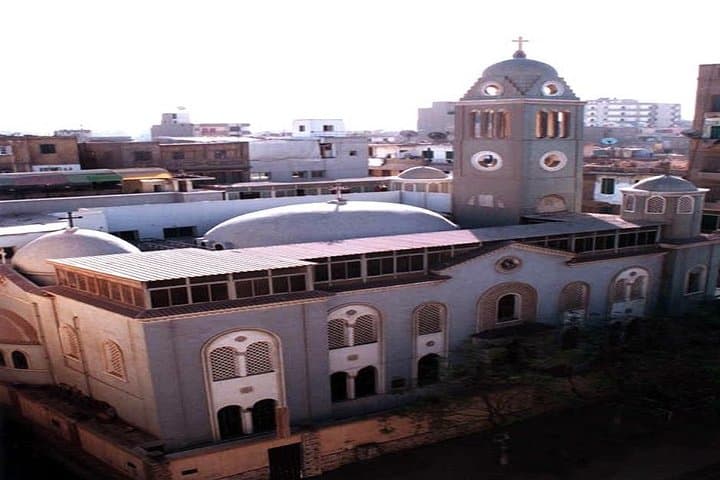
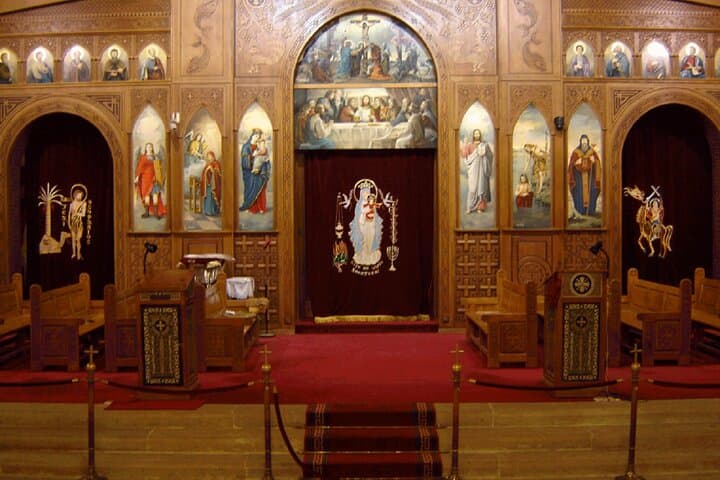
The road from Assiut eases you out of the Nile's green corridor and into a sunbaked scrub where cliffs hold ancient rooms and silence. You arrive with the wind tugging at your hat, the hanging monastery tucked into a cavern like a human village folded into stone. Inside, light slices through narrow windows onto icons that survived centuries of sand and salt.
The road from Assiut eases you out of the Nile's green corridor and into a sunbaked scrub where cliffs hold ancient rooms and silence. You arrive with the wind tugging at your hat, the hanging monastery tucked into a cavern like a human village folded into stone. Inside, light slices through narrow windows onto icons that survived centuries of sand and salt.
Egyptian monasticism took root here in the late third and fourth centuries CE; communities moved into caves and built compact monasteries that doubled as strongholds of faith and learning. The geology is mostly limestone escarpment—easily eroded, honeycombed with natural cavities that monks adapted into cells and chapels. Cultural life remains quiet and devotional: prayers, local liturgies, and craftsmen maintaining wooden doors and icons you’ll see on display.
Practically, this is a five-hour private tour with pickup in Assiut or at the train station and a lunch stop in a local restaurant. Expect short, uneven walks, stone steps and occasional steep approaches to cliffside sites; mobility is generally easy but not wheelchair-friendly in the historic zones. Bring sun protection and modest clothing for active worship spaces, and keep camera use respectful during services. Hydrate before and during the trip—desert heat builds quickly—and follow your guide’s path to protect fragile rock surfaces. The itinerary covers the Hanging Monastery, St. Mina’s cave, Anba Hermina, Abba Sarabamoun’s holy tree and St. Mark’s Church, offering a compact, immersive look at Coptic practice set against raw geology and deep history.