THE ADVENTURE COLLECTIVE® · Independent discovery and booking for outdoor travel

Trace the final footsteps of the trans-Atlantic slave route on a full-day guided journey from Accra to Assin Manso, Cape Coast, Elmina Castle and Kakum National Park. Expect heavy history, stone forts overlooking the Atlantic, and a rainforest canopy walk that shifts the day from memorial to living landscape.
Trace the final footsteps of the trans-Atlantic slave route on a full-day guided journey from Accra to Assin Manso, Cape Coast, Elmina Castle and Kakum National Park. Expect heavy history, stone forts overlooking the Atlantic, and a rainforest canopy walk that shifts the day from memorial to living landscape.
You step off the van at Assin Manso and the air feels heavy with history; a river runs cool and patient where enslaved people took their last bath before being marched to the coast. The guide’s voice maps routes across fields and mangled memories, then the road curves toward Cape Coast and Elmina—stone forts that watch the Atlantic with the blunt, deliberate gaze of structures built for control.
Verified experiences and guided adventures in the surrounding area.
Operated by Kwame Tours · Cape Coast, Central Region
You step off the van at Assin Manso and the air feels heavy with history; a river runs cool and patient where enslaved people took their last bath before being marched to the coast. The guide’s voice maps routes across fields and mangled memories, then the road curves toward Cape Coast and Elmina—stone forts that watch the Atlantic with the blunt, deliberate gaze of structures built for control.
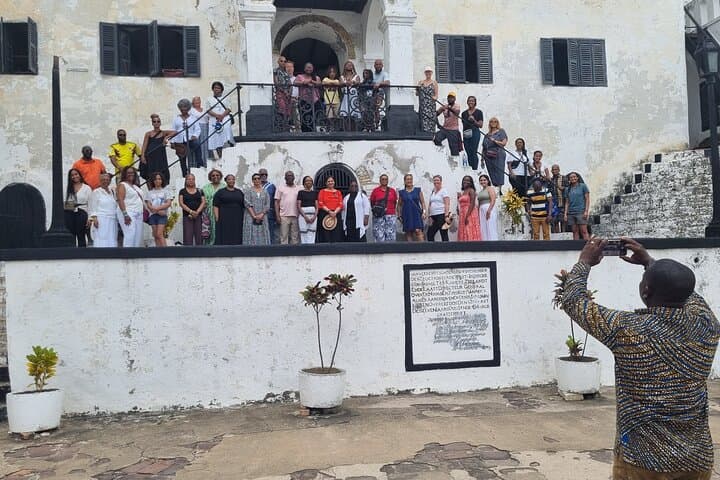
These sites stitch together the arc of the trans-Atlantic slave trade: Assin Manso’s gathering grounds and ceremonial wells, Cape Coast Castle’s dungeons and the doorway that once separated freedom from bondage, and Elmina’s battlements facing the shipping lanes. Kakum National Park interrupts the coastal narrative with canopy bridges and a living rainforest—geology here is lateritic soils and steep ridgelines that feed dense evergreen growth and a canopy walkway suspended 30–40 meters over the forest floor.
Expect guided castle tours that explain forts’ construction, ledger-like records of people trafficked, and cultural context about the Akan states and European mercantile presence. The Kakum section emphasizes biodiversity and safe, handled exposure to the canopy.
Practicalities: this is a long day—plan for 10–16 hours with several moderate walks, stairs and uneven stone floors. Wear closed-toe shoes, bring sun protection, and carry a refillable bottle—water is provided but you’ll want easy access. Timing matters: mornings are cooler for castle visits; avoid the heaviest afternoon rains for the canopy walk.
The trip is part memory work and part natural immersion—prepare emotionally and physically, and you’ll come away with fuller context and a clearer sense of place.
moderate.
10–16 hours.
Suitable for travelers in average fitness: expect multiple short to moderate walks, stairs, and short hikes on uneven surfaces.
The full-day tour runs approximately 10–16 hours (departing Accra early and returning the same day), depending on traffic and time spent at each site.
Yes; admissions to Assin Manso, Cape Coast Castle, Elmina Castle and Kakum canopy walk are included as stated in the itinerary.
The canopy walkway is elevated and can feel exposed; people with severe vertigo or mobility issues should consider staying at ground level—guides can advise on-site.
Yes—Cape Coast Castle offers a Door of Return ceremony on request for an additional fee; coordinate this with your tour operator in advance.
These sites together map the coastal terminus of the trans-Atlantic slave trade and the inland collection points where captives were processed and marched to the forts.
Kakum National Park is actively managed for forest conservation; visitors should stick to trails and avoid feeding wildlife to reduce human impact.
Kwame Tours operates guided outdoor trips and adventures with an emphasis on safety, stewardship, and memorable experiences.
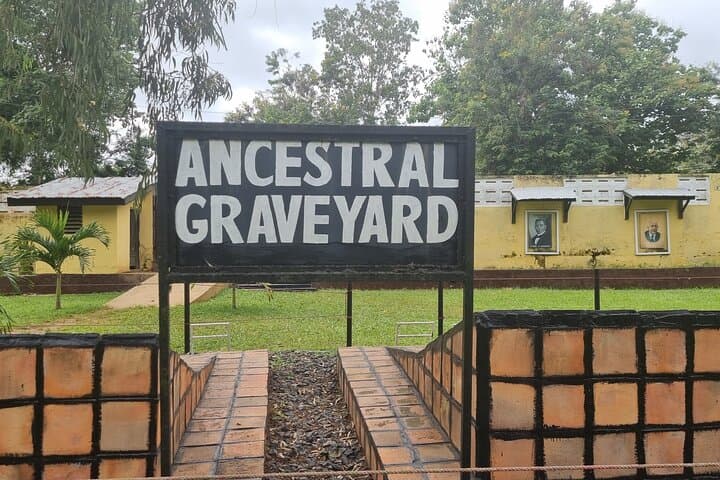
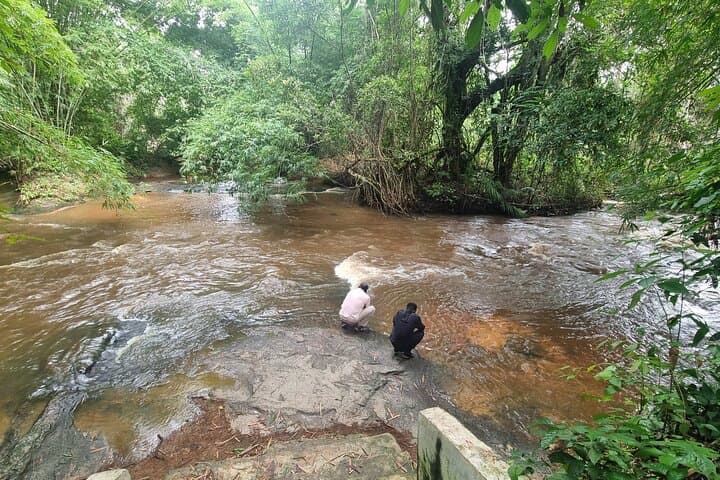
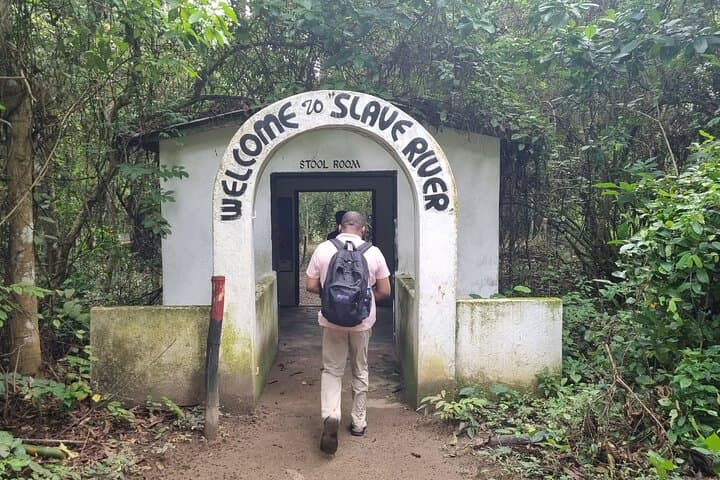
You step off the van at Assin Manso and the air feels heavy with history; a river runs cool and patient where enslaved people took their last bath before being marched to the coast. The guide’s voice maps routes across fields and mangled memories, then the road curves toward Cape Coast and Elmina—stone forts that watch the Atlantic with the blunt, deliberate gaze of structures built for control.
You step off the van at Assin Manso and the air feels heavy with history; a river runs cool and patient where enslaved people took their last bath before being marched to the coast. The guide’s voice maps routes across fields and mangled memories, then the road curves toward Cape Coast and Elmina—stone forts that watch the Atlantic with the blunt, deliberate gaze of structures built for control.
These sites stitch together the arc of the trans-Atlantic slave trade: Assin Manso’s gathering grounds and ceremonial wells, Cape Coast Castle’s dungeons and the doorway that once separated freedom from bondage, and Elmina’s battlements facing the shipping lanes. Kakum National Park interrupts the coastal narrative with canopy bridges and a living rainforest—geology here is lateritic soils and steep ridgelines that feed dense evergreen growth and a canopy walkway suspended 30–40 meters over the forest floor.
Expect guided castle tours that explain forts’ construction, ledger-like records of people trafficked, and cultural context about the Akan states and European mercantile presence. The Kakum section emphasizes biodiversity and safe, handled exposure to the canopy.
Practicalities: this is a long day—plan for 10–16 hours with several moderate walks, stairs and uneven stone floors. Wear closed-toe shoes, bring sun protection, and carry a refillable bottle—water is provided but you’ll want easy access. Timing matters: mornings are cooler for castle visits; avoid the heaviest afternoon rains for the canopy walk.
The trip is part memory work and part natural immersion—prepare emotionally and physically, and you’ll come away with fuller context and a clearer sense of place.