THE ADVENTURE COLLECTIVE® · Independent discovery and booking for outdoor travel

Stand at Daikanbo for one of Japan’s most dramatic caldera views, then step into rural Aso to harvest vegetables and cook lunch with local hosts. This half-day mixes volcano panoramas with hands-on farm culture.
Stand at Daikanbo for one of Japan’s most dramatic caldera views, then step into rural Aso to harvest vegetables and cook lunch with local hosts. This half-day mixes volcano panoramas with hands-on farm culture.
You stand at Daikanbo as wind pushes across the grass—on one side a sweeping caldera rim, on the other a ring of five distinct peaks that mark Mt. Aso's restless heart. The view is raw and immediate: volcanic slopes folding into green pastures, cattle grazing below, and the distant smoke-that-isn’t-smoke from Aso’s active vents reminding you this landscape is still being written.
Verified experiences and guided adventures in the surrounding area.
Operated by Satoyama Journey · Aso, Kumamoto Prefecture
You stand at Daikanbo as wind pushes across the grass—on one side a sweeping caldera rim, on the other a ring of five distinct peaks that mark Mt. Aso's restless heart. The view is raw and immediate: volcanic slopes folding into green pastures, cattle grazing below, and the distant smoke-that-isn’t-smoke from Aso’s active vents reminding you this landscape is still being written.
Geology here is dramatic and readable. Aso is one of the largest calderas on Earth, formed by massive eruptions; its five peaks rise like the ribs of that eruption. Human history in the valley traces a slow, patient relationship with the land—rice, potatoes, and sweet potatoes shaped by volcanic soil and seasonal rains. Cultural life remains rural and hands-on; local farms have practiced the same rhythms for generations.
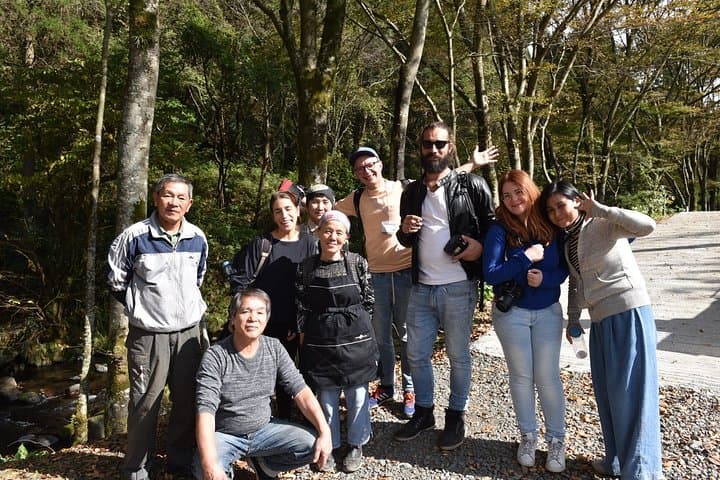
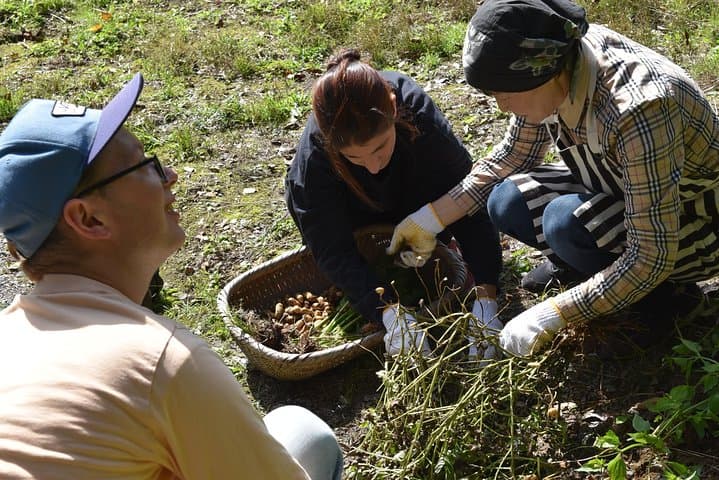
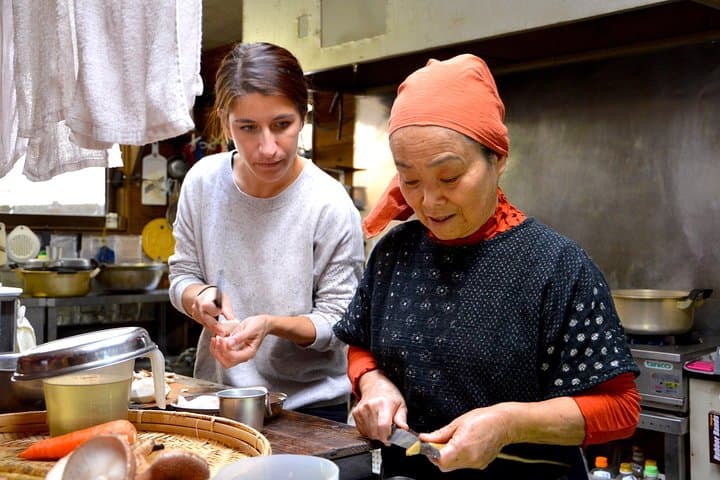
The tour pairs observation with participation: an hour at Daikanbo to learn the volcano’s story, then a move into village fields where you’ll harvest seasonal vegetables and cook lunch with local hosts. It’s less performance and more practice—expect real manual tasks, simple kitchen techniques, and a long lunch shared on tatami or picnic blankets.
Practical notes: this is a half-day outing across uneven grass and farm plots—good shoes and sun protection matter. Weather changes fast near the rim; layers and a rain shell are wise. Respect farm rules, ask before photographing people or property, and bring cash for small purchases. The reward is straightforward: volcanic panoramas in the morning, then the concrete warmth of a meal made from the soil beneath your feet.
moderate.
3–4 hours.
Moderate fitness; able to walk on uneven ground and do light farm tasks like bending and lifting.
Yes—children can join but must be supervised; infants should sit on laps during transport and young kids should be able to walk short distances.
The tour uses established viewpoints like Daikanbo; you won’t approach active vents. Guides explain current conditions and safety measures.
Pickup details vary; the tour lists pickup as a booking question—confirm your pickup point when you reserve.
The operator may cancel in poor weather; bookings typically allow full refunds if canceled at least 24 hours before departure.
Aso’s caldera formed in several large eruptions; people have farmed the rich volcanic soils here for centuries, shaping a resilient rural culture.
Stay on designated paths, avoid trampling crop areas, and support small farms directly where possible to keep tourism benefits local and sustainable.
Satoyama Journey operates guided outdoor trips and adventures with an emphasis on safety, stewardship, and memorable experiences.
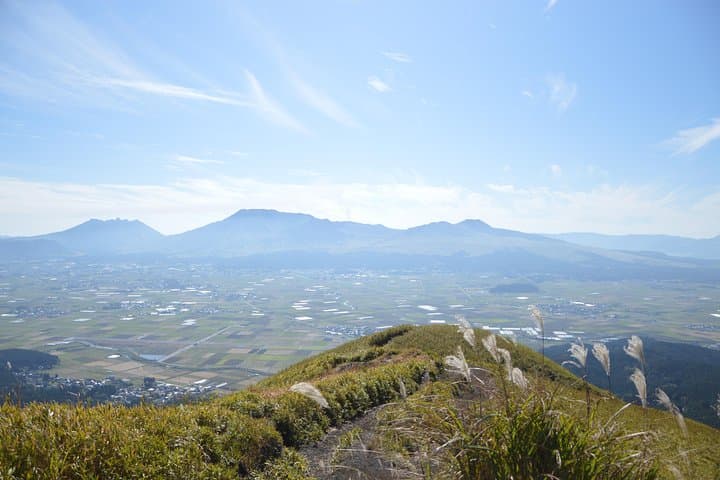
You stand at Daikanbo as wind pushes across the grass—on one side a sweeping caldera rim, on the other a ring of five distinct peaks that mark Mt. Aso's restless heart. The view is raw and immediate: volcanic slopes folding into green pastures, cattle grazing below, and the distant smoke-that-isn’t-smoke from Aso’s active vents reminding you this landscape is still being written.
You stand at Daikanbo as wind pushes across the grass—on one side a sweeping caldera rim, on the other a ring of five distinct peaks that mark Mt. Aso's restless heart. The view is raw and immediate: volcanic slopes folding into green pastures, cattle grazing below, and the distant smoke-that-isn’t-smoke from Aso’s active vents reminding you this landscape is still being written.
Geology here is dramatic and readable. Aso is one of the largest calderas on Earth, formed by massive eruptions; its five peaks rise like the ribs of that eruption. Human history in the valley traces a slow, patient relationship with the land—rice, potatoes, and sweet potatoes shaped by volcanic soil and seasonal rains. Cultural life remains rural and hands-on; local farms have practiced the same rhythms for generations.
The tour pairs observation with participation: an hour at Daikanbo to learn the volcano’s story, then a move into village fields where you’ll harvest seasonal vegetables and cook lunch with local hosts. It’s less performance and more practice—expect real manual tasks, simple kitchen techniques, and a long lunch shared on tatami or picnic blankets.
Practical notes: this is a half-day outing across uneven grass and farm plots—good shoes and sun protection matter. Weather changes fast near the rim; layers and a rain shell are wise. Respect farm rules, ask before photographing people or property, and bring cash for small purchases. The reward is straightforward: volcanic panoramas in the morning, then the concrete warmth of a meal made from the soil beneath your feet.