THE ADVENTURE COLLECTIVE® · Independent discovery and booking for outdoor travel

Drive the Blue Ridge Parkway with a naturalist to chase multi-tiered waterfalls and hidden pools near Asheville. This private half-day tour blends short hikes, geology, and edible-plant lore for a compact, interpretive mountain outing.
Drive the Blue Ridge Parkway with a naturalist to chase multi-tiered waterfalls and hidden pools near Asheville. This private half-day tour blends short hikes, geology, and edible-plant lore for a compact, interpretive mountain outing.
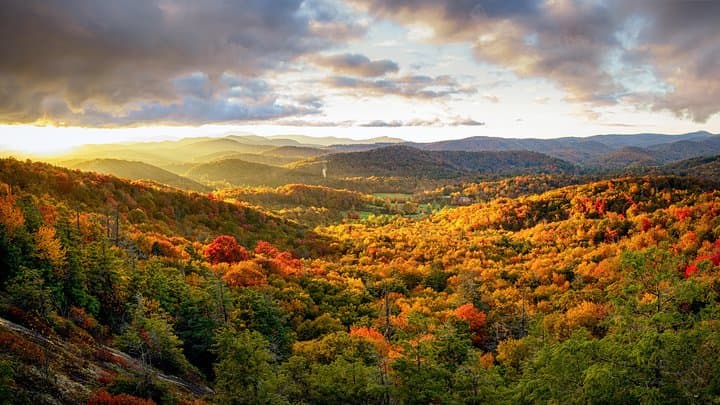
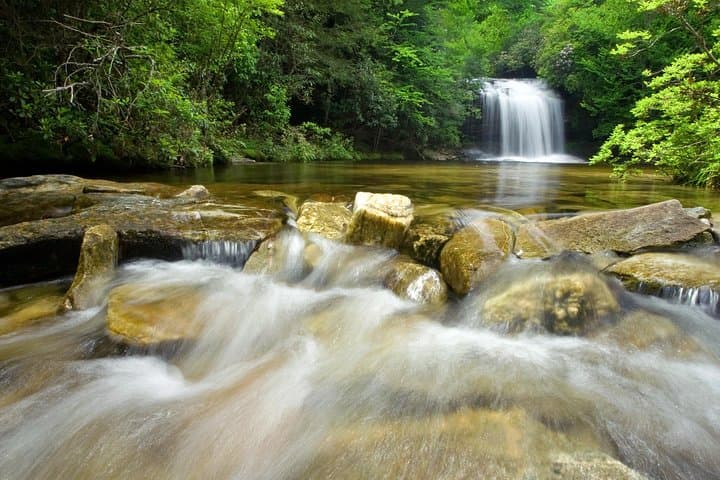
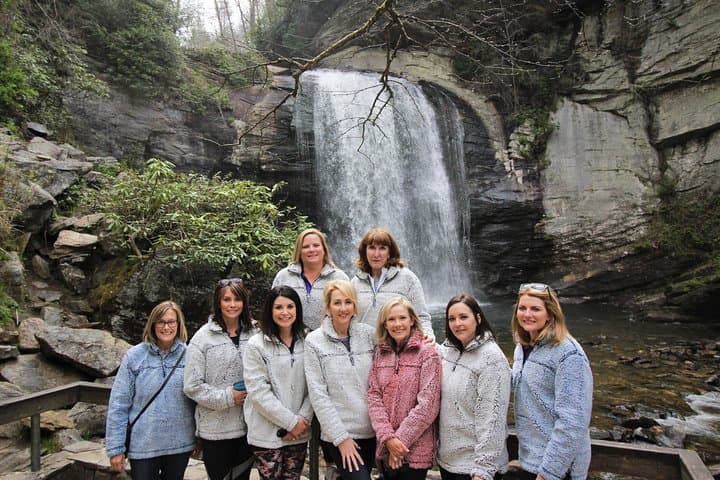
The van slips off the interstate and climbs onto the Blue Ridge Parkway, where the road itself seems to breathe—ridges rolling ahead, clouds sliding through pines. Your guide, a naturalist who reads the land as easily as a map, points out an old stone wall, a stand of beech trees, then slows for a curve that reveals a sweep of mountain slopes and a distant waterfall threading white through green. The day unfurls like that: a handful of short hikes punctuated by viewpoints, each waterfall introducing itself with a different voice—thin and high, thunderous and split, a hidden plunge tucked behind a rock overhang.
Verified experiences and guided adventures in the surrounding area.
Operated by Asheville Hiking Tours · Asheville, North Carolina
The van slips off the interstate and climbs onto the Blue Ridge Parkway, where the road itself seems to breathe—ridges rolling ahead, clouds sliding through pines. Your guide, a naturalist who reads the land as easily as a map, points out an old stone wall, a stand of beech trees, then slows for a curve that reveals a sweep of mountain slopes and a distant waterfall threading white through green. The day unfurls like that: a handful of short hikes punctuated by viewpoints, each waterfall introducing itself with a different voice—thin and high, thunderous and split, a hidden plunge tucked behind a rock overhang.
This private half-day tour traces fragments of the Southern Appalachian story. The Blue Ridge Parkway, built during the New Deal, was intended to connect communities and conserve fragile ridgelines; driving it today feels like moving through a living geological archive. The waterfalls you’ll visit fall out of billion-year-old metamorphic rock: the same gneiss and schist that give the slopes their rounded profiles and modest, steady grades. Pisgah National Forest—home to more than 250 named falls—has long been worked and loved, from Cherokee hunting grounds to early logging camps and later conservation efforts that preserved these headwater cascades.
Culturally, Asheville and the surrounding highlands wear their history openly: roadside crafts, seasonal foraging knowledge, and a culinary scene that leans on wild edibles. Your guide may point out ramps or serviceberries and explain safe harvest practices; expect stories about the Parkway tunnels, old homesteads, and how local ecology changes with elevation.
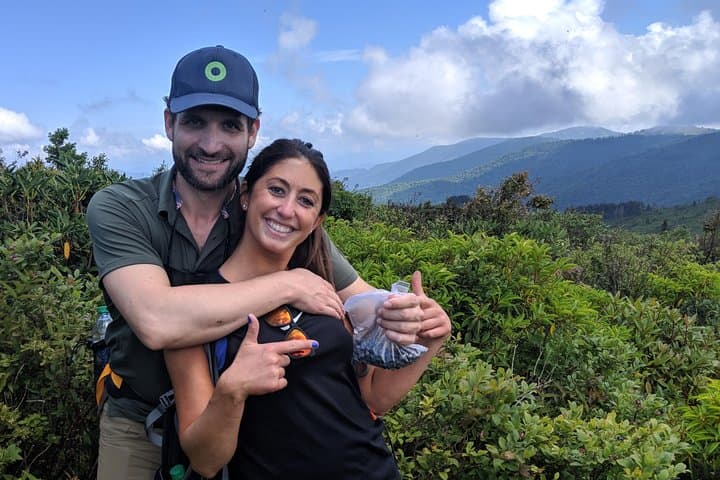
Practicalities are straightforward. The tour runs about 4.5 hours and includes vehicle transport along the Parkway, bottled water, snacks, ponchos, and hiking poles. Hikes are flexible—choose 1–3 miles for quick waterfall stops or extend to 3–7 miles for deeper exploration. Trails can be muddy or slick near falls; sturdy tennis shoes or hiking boots and layered clothing are recommended. Mornings at higher elevations are noticeably cooler; a light jacket matters more than you think.
Timing matters: spring brings swollen streams and the most dramatic flows, summer provides lush foliage and warm pools, fall delivers peak color along the Parkway, and winter reveals bare, ice-scored rock and quieter trails. Because tours are private, guides adjust the route to your interests—wildlife, photography, or plant foraging—making this a good option whether you want postcard views or an interpretive walk through Appalachian natural history. Bring a reusable water bottle, a camera with a weather seal or cover, and an appetite for short, rewarding climbs—these waterfalls demand attention, and the mountains respond in kind.
moderate.
4–5 hours.
Suitable for hikers with moderate fitness who can handle short climbs and uneven, sometimes muddy terrain.
The private tour is approximately 4.5 hours and typically ends around early afternoon; exact start times vary and your guide confirms pickup details the day before.
Wear sturdy tennis shoes or hiking boots, layered clothing, and bring a reusable water bottle and sunscreen; guides provide ponchos and hiking poles if needed.
Hike length is flexible—guides tailor walks to your group, offering options from 1–3 miles up to 3–7 miles depending on preference and fitness.
Children can join (child rate when sharing with two adults); however some paths near falls have uneven ground and are not recommended for those with significant mobility restrictions.
Yes—naturalist guides typically highlight edible plants and safe foraging practices, integrating cultural and ecological context into stops.
For a full refund cancel at least 24 hours before departure; tours may be canceled by the operator in case of bad weather or unsafe conditions.
The Parkway was constructed in the 1930s–40s as a scenic, conservation-minded route; the forests here also contain traces of Cherokee and early Appalachian settler history.
Stick to trails and avoid collecting plants without guidance; the area’s headwaters are sensitive and high visitation can increase erosion and invasive plant spread.
Asheville Hiking Tours operates guided outdoor trips and adventures with an emphasis on safety, stewardship, and memorable experiences.
The van slips off the interstate and climbs onto the Blue Ridge Parkway, where the road itself seems to breathe—ridges rolling ahead, clouds sliding through pines. Your guide, a naturalist who reads the land as easily as a map, points out an old stone wall, a stand of beech trees, then slows for a curve that reveals a sweep of mountain slopes and a distant waterfall threading white through green. The day unfurls like that: a handful of short hikes punctuated by viewpoints, each waterfall introducing itself with a different voice—thin and high, thunderous and split, a hidden plunge tucked behind a rock overhang.
The van slips off the interstate and climbs onto the Blue Ridge Parkway, where the road itself seems to breathe—ridges rolling ahead, clouds sliding through pines. Your guide, a naturalist who reads the land as easily as a map, points out an old stone wall, a stand of beech trees, then slows for a curve that reveals a sweep of mountain slopes and a distant waterfall threading white through green. The day unfurls like that: a handful of short hikes punctuated by viewpoints, each waterfall introducing itself with a different voice—thin and high, thunderous and split, a hidden plunge tucked behind a rock overhang.
This private half-day tour traces fragments of the Southern Appalachian story. The Blue Ridge Parkway, built during the New Deal, was intended to connect communities and conserve fragile ridgelines; driving it today feels like moving through a living geological archive. The waterfalls you’ll visit fall out of billion-year-old metamorphic rock: the same gneiss and schist that give the slopes their rounded profiles and modest, steady grades. Pisgah National Forest—home to more than 250 named falls—has long been worked and loved, from Cherokee hunting grounds to early logging camps and later conservation efforts that preserved these headwater cascades.
Culturally, Asheville and the surrounding highlands wear their history openly: roadside crafts, seasonal foraging knowledge, and a culinary scene that leans on wild edibles. Your guide may point out ramps or serviceberries and explain safe harvest practices; expect stories about the Parkway tunnels, old homesteads, and how local ecology changes with elevation.
Practicalities are straightforward. The tour runs about 4.5 hours and includes vehicle transport along the Parkway, bottled water, snacks, ponchos, and hiking poles. Hikes are flexible—choose 1–3 miles for quick waterfall stops or extend to 3–7 miles for deeper exploration. Trails can be muddy or slick near falls; sturdy tennis shoes or hiking boots and layered clothing are recommended. Mornings at higher elevations are noticeably cooler; a light jacket matters more than you think.
Timing matters: spring brings swollen streams and the most dramatic flows, summer provides lush foliage and warm pools, fall delivers peak color along the Parkway, and winter reveals bare, ice-scored rock and quieter trails. Because tours are private, guides adjust the route to your interests—wildlife, photography, or plant foraging—making this a good option whether you want postcard views or an interpretive walk through Appalachian natural history. Bring a reusable water bottle, a camera with a weather seal or cover, and an appetite for short, rewarding climbs—these waterfalls demand attention, and the mountains respond in kind.