THE ADVENTURE COLLECTIVE® · Independent discovery and booking for outdoor travel

A full-day private tour from Ashdod that pairs Jerusalem’s ancient ramparts and sacred sites with Bethlehem’s storied churches and markets. Expect a mix of driving and walking on cobbles, guided context, and quiet moments at centuries-old olive trees.
A full-day private tour from Ashdod that pairs Jerusalem’s ancient ramparts and sacred sites with Bethlehem’s storied churches and markets. Expect a mix of driving and walking on cobbles, guided context, and quiet moments at centuries-old olive trees.
You step off the coach at Ashdod Port and the day opens like a map: a coastal start, a drive inland, and then the old stones of two cities that rewrote history. The road climbs toward Jerusalem, trading Mediterranean light for the olive-gray skyline of the Judean hills. The Mount of Olives looks back over the city while the narrow lanes of the Old City pull you into a denser pace.
Verified experiences and guided adventures in the surrounding area.
Operated by Michael Tours · Ashdod, Southern District
You step off the coach at Ashdod Port and the day opens like a map: a coastal start, a drive inland, and then the old stones of two cities that rewrote history. The road climbs toward Jerusalem, trading Mediterranean light for the olive-gray skyline of the Judean hills. The Mount of Olives looks back over the city while the narrow lanes of the Old City pull you into a denser pace.
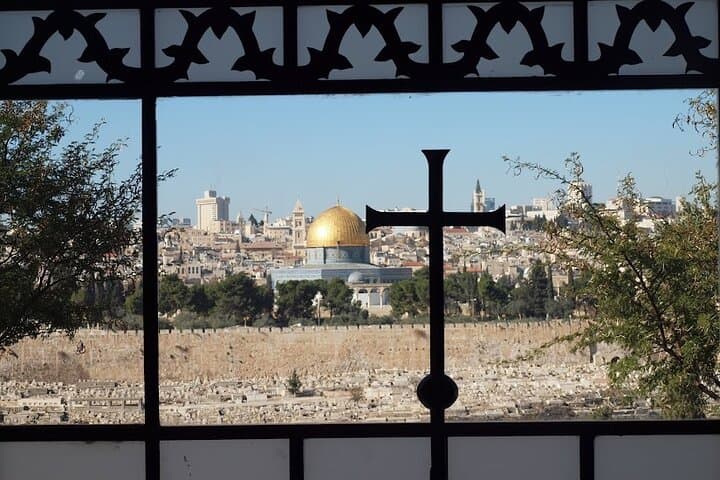
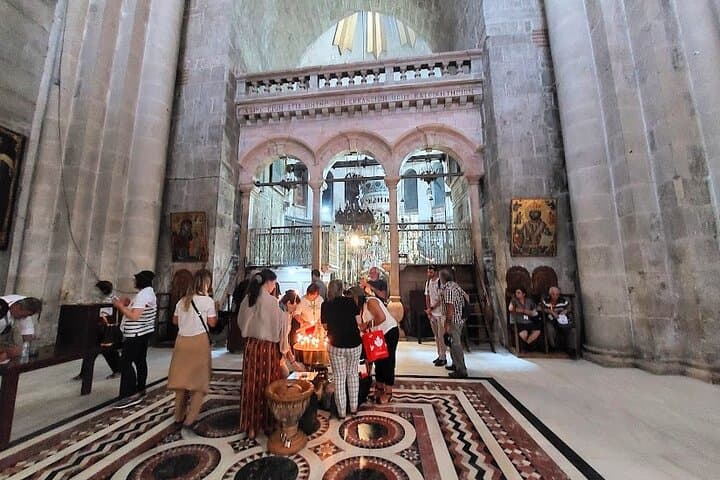
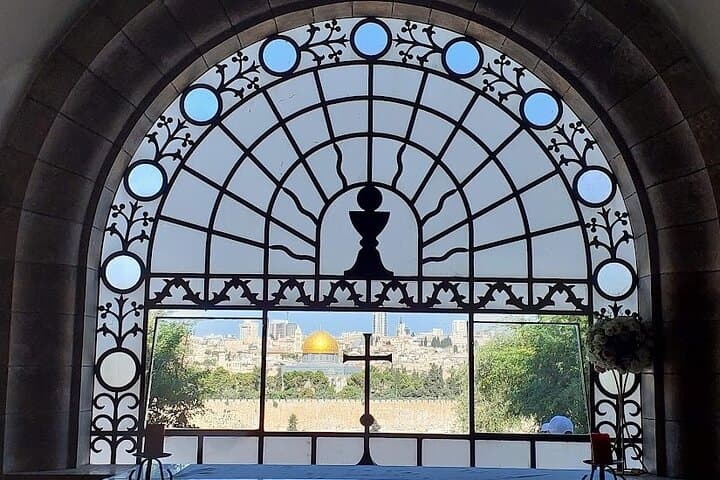
Jerusalem’s layers are geological and human—limestone terraces carved into hills, Byzantine foundations under Crusader walls, and Ottoman-era minarets above market stalls. Walking the Palm Sunday route to Dominus Flevit offers a panorama; the descent to Gethsemane brings you among olive trees whose roots have seen empires pass. In the Old City, the Via Dolorosa moves through cobbles and steps to the Church of the Holy Sepulchre, whose stonework chronicles centuries of devotion and renovation.
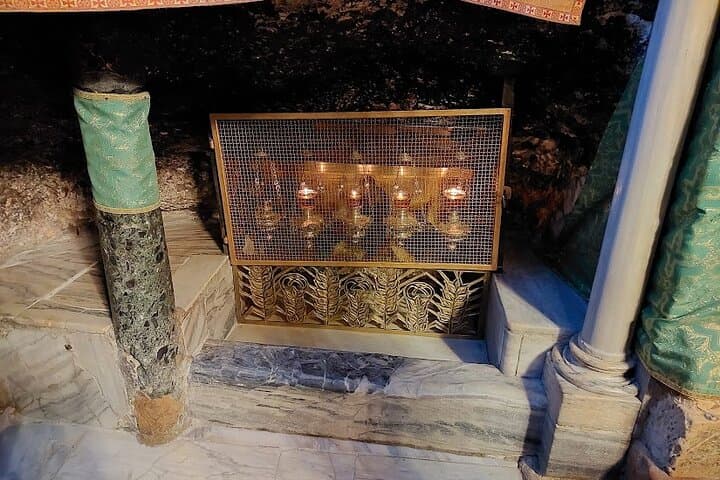
A short drive places you in Bethlehem: the Church of the Nativity anchors a living Christian community, neighboring markets sell mother-of-pearl and embroidered textiles, and quiet chapels hold surprising frescoes.
Practical guidance: expect 8–10 hours including roughly 60 km of driving round-trip and 2–4 km of walking on uneven, often cobbled surfaces with about 80–120 m of elevation change on the Mount of Olives route. Wear sturdy shoes, carry at least 1–2 liters of water, and pack a lightweight layer—Jerusalem’s microclimate can shift quickly. Respect dress codes at holy sites (shoulders and knees covered), plan for security checks and queues at major churches, and time your visit early in the day to avoid peak crowds.
moderate.
8–10 hours.
Light to moderate stamina; able to walk several hours on uneven surfaces and manage short stair sections.
The tour meets and finishes at Ashdod Port; exact pickup details are confirmed at booking and depend on your arrival point.
Admissions to most churches and outdoor sites are included in access, but entry to some inner sanctums (like the Tomb of Christ) may depend on lines and crowd control and are not guaranteed.
Yes—pace is moderate and the operator notes the tour is suitable for all physical fitness levels, though mobility limitations may make cobbled streets and stairs challenging.
Carry government ID or passport, and any necessary travel permits; crossing into Bethlehem involves different local checkpoints and may require ID to be shown.
Jerusalem and Bethlehem are central to Christian history: Constantine’s 4th-century churches established pilgrimage routes, while the Church of the Nativity in Bethlehem overlays a 2,000-year tradition of worship.
High visitor numbers stress ancient stones and olive tree roots—stay on marked paths, avoid touching sensitive carvings, and support local craftspeople rather than imported souvenirs.
Michael Tours operates guided outdoor trips and adventures with an emphasis on safety, stewardship, and memorable experiences.
You step off the coach at Ashdod Port and the day opens like a map: a coastal start, a drive inland, and then the old stones of two cities that rewrote history. The road climbs toward Jerusalem, trading Mediterranean light for the olive-gray skyline of the Judean hills. The Mount of Olives looks back over the city while the narrow lanes of the Old City pull you into a denser pace.
You step off the coach at Ashdod Port and the day opens like a map: a coastal start, a drive inland, and then the old stones of two cities that rewrote history. The road climbs toward Jerusalem, trading Mediterranean light for the olive-gray skyline of the Judean hills. The Mount of Olives looks back over the city while the narrow lanes of the Old City pull you into a denser pace.
Jerusalem’s layers are geological and human—limestone terraces carved into hills, Byzantine foundations under Crusader walls, and Ottoman-era minarets above market stalls. Walking the Palm Sunday route to Dominus Flevit offers a panorama; the descent to Gethsemane brings you among olive trees whose roots have seen empires pass. In the Old City, the Via Dolorosa moves through cobbles and steps to the Church of the Holy Sepulchre, whose stonework chronicles centuries of devotion and renovation.
A short drive places you in Bethlehem: the Church of the Nativity anchors a living Christian community, neighboring markets sell mother-of-pearl and embroidered textiles, and quiet chapels hold surprising frescoes.
Practical guidance: expect 8–10 hours including roughly 60 km of driving round-trip and 2–4 km of walking on uneven, often cobbled surfaces with about 80–120 m of elevation change on the Mount of Olives route. Wear sturdy shoes, carry at least 1–2 liters of water, and pack a lightweight layer—Jerusalem’s microclimate can shift quickly. Respect dress codes at holy sites (shoulders and knees covered), plan for security checks and queues at major churches, and time your visit early in the day to avoid peak crowds.