THE ADVENTURE COLLECTIVE® · Independent discovery and booking for outdoor travel

Nevado Mateo is a compact 5,150‑meter mountaineering objective in Peru's Cordillera Blanca that offers a short technical ice climb and panoramic summit views. Ideal as a first alpine ascent if you're acclimatized and comfortable with crampon and ice‑axe basics.
Nevado Mateo is a compact 5,150‑meter mountaineering objective in Peru's Cordillera Blanca that offers a short technical ice climb and panoramic summit views. Ideal as a first alpine ascent if you're acclimatized and comfortable with crampon and ice‑axe basics.
You step out of the vehicle before dawn and the cold hits with the clarity of thin air; a pale line of peaks already burning gold where the sun first touches them. Nevado Mateo rises like a carved ridge against the sky, a compact 5,150-meter summit that gives a full 360-degree vantage of the Cordillera Blanca inside Huascarán National Park. The route begins with an hour of ascending dirt track through high puna grass, then the group rigs up—crampons, ice axes, harnesses—before crossing firm, glaciated slopes to the summit.
Verified experiences and guided adventures in the surrounding area.
Operated by Andes Lovers Travel Agency · Huaraz, Ancash
You step out of the vehicle before dawn and the cold hits with the clarity of thin air; a pale line of peaks already burning gold where the sun first touches them. Nevado Mateo rises like a carved ridge against the sky, a compact 5,150-meter summit that gives a full 360-degree vantage of the Cordillera Blanca inside Huascarán National Park. The route begins with an hour of ascending dirt track through high puna grass, then the group rigs up—crampons, ice axes, harnesses—before crossing firm, glaciated slopes to the summit.
The Andes here are young and crisp, uplifted granite and volcanic rock scoured by glaciers over millennia; Mateo’s profile is modest compared with neighboring giants, yet its easy access made it a training ground for local and visiting alpinists. Quechua communities in Ancash live on the valleys below, their terraces and seasonal herds a cultural backdrop to the climb. Guides focus on technique and altitude management—this is an introductory ice climb that still asks respect for thin air and moving ice.
Practically: acclimatize in Huaraz for 2–3 days, start pre-dawn, and expect technical crampon and ice-axe pitches of 60–90 minutes above the snowline. Hydrate, eat salty snacks, and move deliberately—short, steady steps are faster than bursts. Weather can shift rapidly; guides will cancel in unsafe conditions. Reach the summit and you’ll be rewarded with sweeping ridgelines, glacial bowls, and a measured sense of how the Cordillera Blanca carves the sky.
challenging.
8–10 hours.
Be in good aerobic condition with prior high‑altitude hiking experience; expect sustained exertion at altitude.
This is considered a basic ice climb, but you should be comfortable with steep hiking and have practiced crampon and ice‑axe use; guides provide instruction on the route.
Yes—symptoms can occur around 3,000–5,000 m; proper acclimatization, hydration, and pacing reduce risk, and guides monitor teams closely.
The dry season (May–September) offers the most stable conditions and firmer, safer snow; the guide may cancel in heavy precipitation or unstable conditions.
Group rope systems and shared technical gear are typically provided, but personal items (boots, crampons, ice axe, helmet) are often required—confirm before booking.
Nevado Mateo sits inside Huascarán National Park, an area protected since 1975 for its glaciated peaks and cultural landscapes of highland Quechua communities.
Rising temperatures have reduced glacier mass across the Cordillera Blanca; travel with certified local guides, avoid single-use plastics, and stick to established routes to lessen impact.
Andes Lovers Travel Agency operates guided outdoor trips and adventures with an emphasis on safety, stewardship, and memorable experiences.
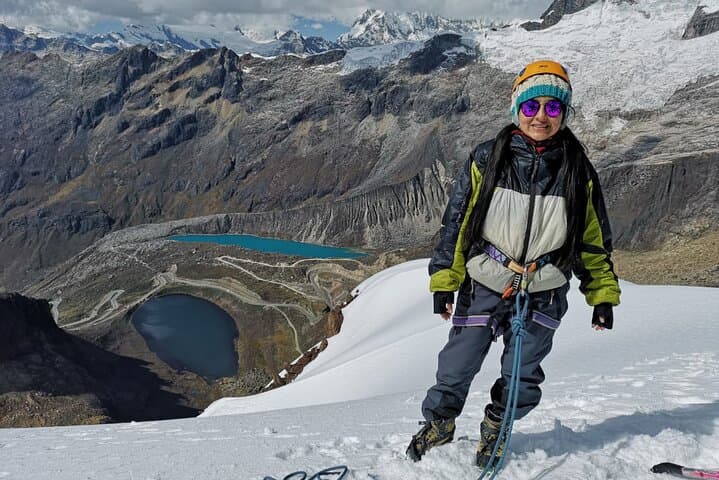
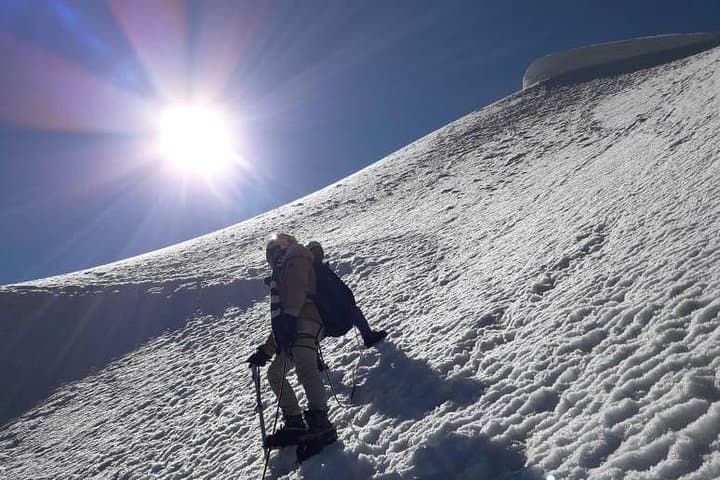
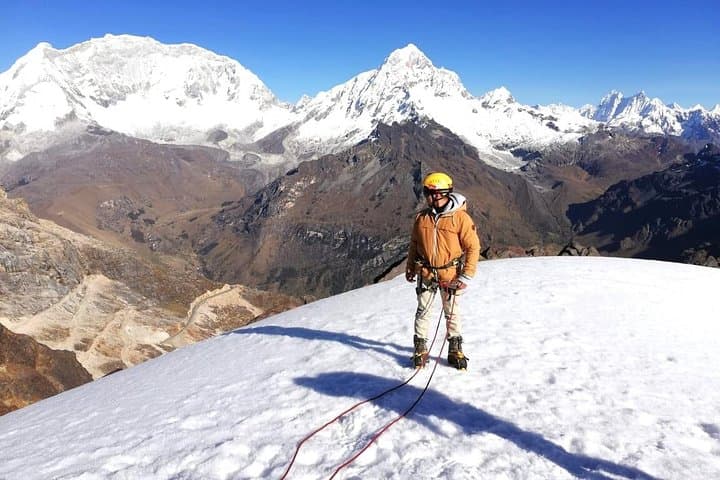
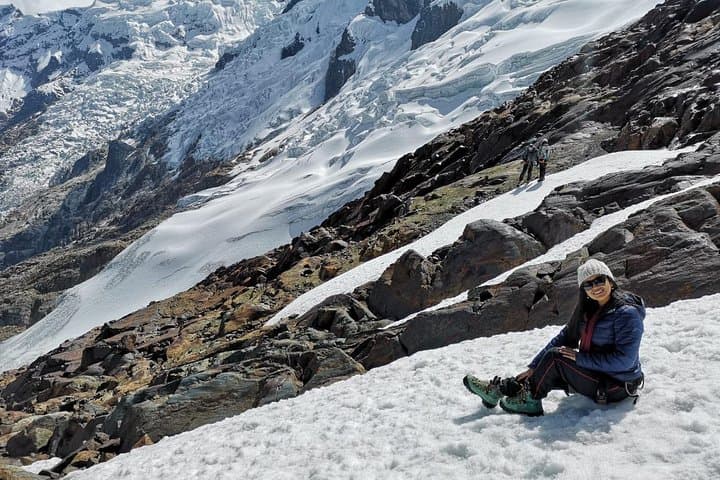
You step out of the vehicle before dawn and the cold hits with the clarity of thin air; a pale line of peaks already burning gold where the sun first touches them. Nevado Mateo rises like a carved ridge against the sky, a compact 5,150-meter summit that gives a full 360-degree vantage of the Cordillera Blanca inside Huascarán National Park. The route begins with an hour of ascending dirt track through high puna grass, then the group rigs up—crampons, ice axes, harnesses—before crossing firm, glaciated slopes to the summit.
You step out of the vehicle before dawn and the cold hits with the clarity of thin air; a pale line of peaks already burning gold where the sun first touches them. Nevado Mateo rises like a carved ridge against the sky, a compact 5,150-meter summit that gives a full 360-degree vantage of the Cordillera Blanca inside Huascarán National Park. The route begins with an hour of ascending dirt track through high puna grass, then the group rigs up—crampons, ice axes, harnesses—before crossing firm, glaciated slopes to the summit.
The Andes here are young and crisp, uplifted granite and volcanic rock scoured by glaciers over millennia; Mateo’s profile is modest compared with neighboring giants, yet its easy access made it a training ground for local and visiting alpinists. Quechua communities in Ancash live on the valleys below, their terraces and seasonal herds a cultural backdrop to the climb. Guides focus on technique and altitude management—this is an introductory ice climb that still asks respect for thin air and moving ice.
Practically: acclimatize in Huaraz for 2–3 days, start pre-dawn, and expect technical crampon and ice-axe pitches of 60–90 minutes above the snowline. Hydrate, eat salty snacks, and move deliberately—short, steady steps are faster than bursts. Weather can shift rapidly; guides will cancel in unsafe conditions. Reach the summit and you’ll be rewarded with sweeping ridgelines, glacial bowls, and a measured sense of how the Cordillera Blanca carves the sky.