THE ADVENTURE COLLECTIVE® · Independent discovery and booking for outdoor travel

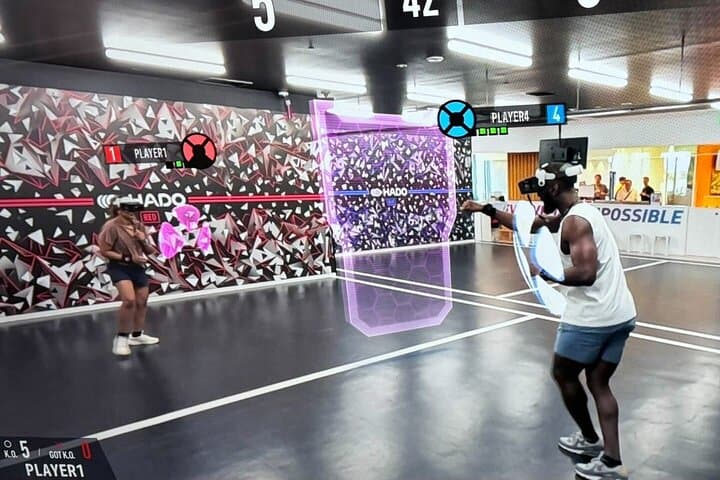
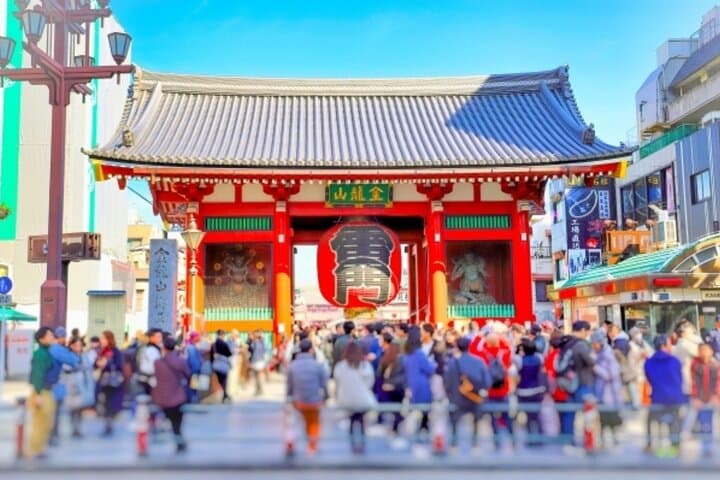
Walk from the historic gates of Kaminarimon through Senso-ji and Nakamise Street, cross Azumabashi Bridge for views of Tokyo Skytree, then finish with a hands-on HADO AR match. This three-hour tour blends cultural highlights with a modern tech-driven activity.
Walk from the historic gates of Kaminarimon through Senso-ji and Nakamise Street, cross Azumabashi Bridge for views of Tokyo Skytree, then finish with a hands-on HADO AR match. This three-hour tour blends cultural highlights with a modern tech-driven activity.
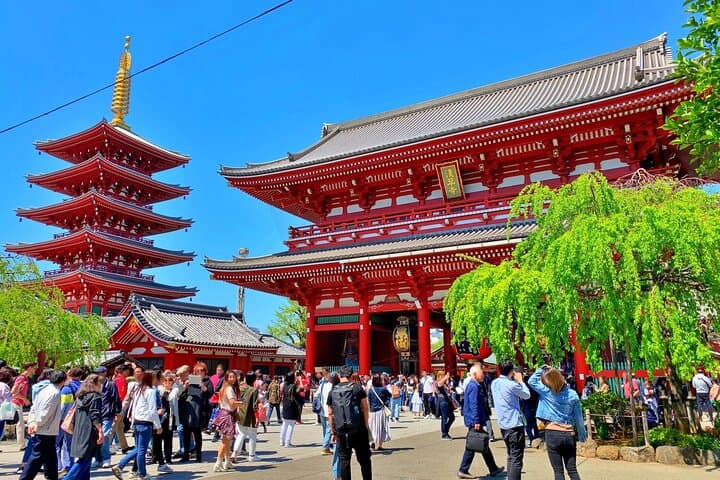
A crisp morning at Kaminarimon sets the pace: incense smoke curls across a line of lanterns while the guide points out a centuries-old carving. You move through Nakamise Street—scented rice crackers, lacquered trinkets and the steady tap of tourists—into the wide courtyard of Senso-ji, where ritual and commerce meet in practiced rhythm.
Verified experiences and guided adventures in the surrounding area.
Operated by Reelu inc · Tokyo, Tokyo
A crisp morning at Kaminarimon sets the pace: incense smoke curls across a line of lanterns while the guide points out a centuries-old carving. You move through Nakamise Street—scented rice crackers, lacquered trinkets and the steady tap of tourists—into the wide courtyard of Senso-ji, where ritual and commerce meet in practiced rhythm.
Asakusa is one of Tokyo’s oldest pleasure districts, shaped by Edo-period commerce and rebuilt repeatedly after fires and wartime damage. Geologically the area sits on alluvial plain terrain beside the Sumida River; the modern Tokyo Skytree, a lattice of steel and glass, rises from that same lowland as a marker of 21st-century engineering.
Culture here is tactile: draw an omikuji, cleanse at a basin, then cross Azumabashi Bridge and watch the Skytree bend light over the river. The tour ends with HADO, an AR sport that layers digital energy fields onto actual movement—expect short sprints, quick hands and a playful competitive edge.
Practicalities: the walk from Kaminarimon to Azumabashi is about 30 minutes (≈2–2.5 km). If you prefer transit, a 5-minute subway ride to the Skytree area costs roughly ¥160. The full experience lasts about three hours; it’s stroller-accessible and suitable for most fitness levels but not recommended for those with serious spinal, heart or pregnancy-related restrictions.
Bring comfortable shoes, a charged phone, a small transit card (or cash for the ¥160 fare) and a light layer—Tokyo’s winds off the Sumida can surprise. The mix of shrine rituals, riverside views and a high-energy AR finale makes this a compact, varied urban adventure.
easy.
3 hours.
Suitable for people in average physical condition; involves urban walking and brief active play for HADO.
No—it's an easy urban walk of roughly 2–3 km with short standing stops and a brief active AR session; most people can participate.
No—this tour provides outdoor close-up views of Skytree; observation deck access requires a separate ticket and time.
HADO is an augmented-reality, team-based game combining movement and gesture controls; no prior experience is required and guides will explain the rules.
Yes, the operator notes stroller access and infant seats are available, though some temple steps may require brief lifts.
Asakusa grew around Senso-ji, an 7th-century Buddhist site rebuilt repeatedly after fires and war; Skytree is a modern broadcast tower completed in 2012 that reshaped the skyline.
Temples emphasize low-impact visitation—avoid littering, follow on-site signage and respect ritual spaces; carry out what you bring in.
Reelu inc operates guided outdoor trips and adventures with an emphasis on safety, stewardship, and memorable experiences.

A crisp morning at Kaminarimon sets the pace: incense smoke curls across a line of lanterns while the guide points out a centuries-old carving. You move through Nakamise Street—scented rice crackers, lacquered trinkets and the steady tap of tourists—into the wide courtyard of Senso-ji, where ritual and commerce meet in practiced rhythm.
A crisp morning at Kaminarimon sets the pace: incense smoke curls across a line of lanterns while the guide points out a centuries-old carving. You move through Nakamise Street—scented rice crackers, lacquered trinkets and the steady tap of tourists—into the wide courtyard of Senso-ji, where ritual and commerce meet in practiced rhythm.
Asakusa is one of Tokyo’s oldest pleasure districts, shaped by Edo-period commerce and rebuilt repeatedly after fires and wartime damage. Geologically the area sits on alluvial plain terrain beside the Sumida River; the modern Tokyo Skytree, a lattice of steel and glass, rises from that same lowland as a marker of 21st-century engineering.
Culture here is tactile: draw an omikuji, cleanse at a basin, then cross Azumabashi Bridge and watch the Skytree bend light over the river. The tour ends with HADO, an AR sport that layers digital energy fields onto actual movement—expect short sprints, quick hands and a playful competitive edge.
Practicalities: the walk from Kaminarimon to Azumabashi is about 30 minutes (≈2–2.5 km). If you prefer transit, a 5-minute subway ride to the Skytree area costs roughly ¥160. The full experience lasts about three hours; it’s stroller-accessible and suitable for most fitness levels but not recommended for those with serious spinal, heart or pregnancy-related restrictions.
Bring comfortable shoes, a charged phone, a small transit card (or cash for the ¥160 fare) and a light layer—Tokyo’s winds off the Sumida can surprise. The mix of shrine rituals, riverside views and a high-energy AR finale makes this a compact, varied urban adventure.