THE ADVENTURE COLLECTIVE® · Independent discovery and booking for outdoor travel

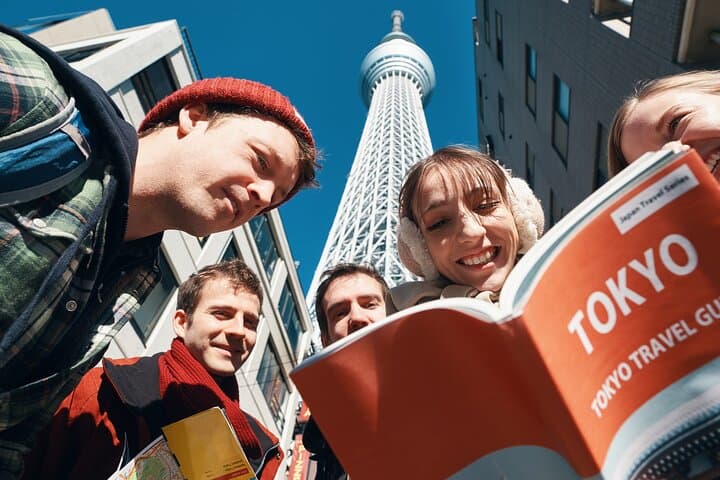
Walk Asakusa’s historic streets with a local guide, sample traditional sweets and izakaya culture, then finish with sweeping views from Tokyo Skytree’s observation deck. This 3–4 hour tour pairs cultural context with practical tips to make the most of the neighborhood and skyline.
Walk Asakusa’s historic streets with a local guide, sample traditional sweets and izakaya culture, then finish with sweeping views from Tokyo Skytree’s observation deck. This 3–4 hour tour pairs cultural context with practical tips to make the most of the neighborhood and skyline.
The morning light slips between narrow wooden storefronts as a guide leads a small group along cobbled lanes toward Sensoji; the smell of toasted rice crackers and soy lantern smoke follows like a companion. Footsteps fall in time with shrine bells, and the city’s layered past—merchant stalls, postwar rebuilds, modern towers—unfolds as the group moves from Nakamise’s snack stalls to the compact, lively izakaya alleyways of Asakusa.
Verified experiences and guided adventures in the surrounding area.
Operated by gotcha · Tokyo, Tokyo
The morning light slips between narrow wooden storefronts as a guide leads a small group along cobbled lanes toward Sensoji; the smell of toasted rice crackers and soy lantern smoke follows like a companion. Footsteps fall in time with shrine bells, and the city’s layered past—merchant stalls, postwar rebuilds, modern towers—unfolds as the group moves from Nakamise’s snack stalls to the compact, lively izakaya alleyways of Asakusa.
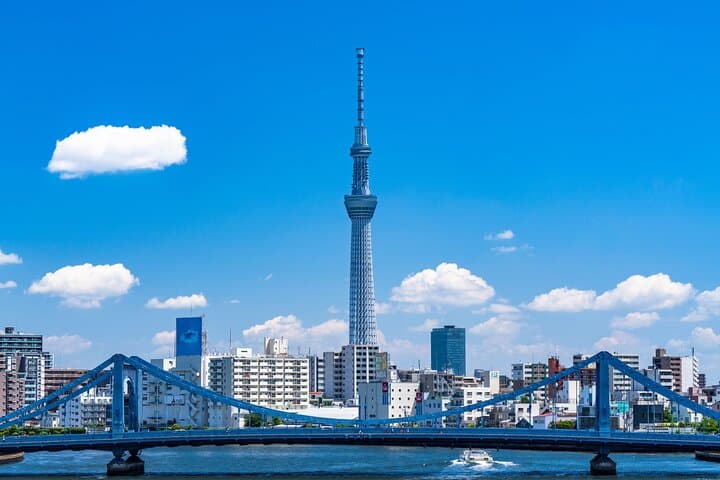
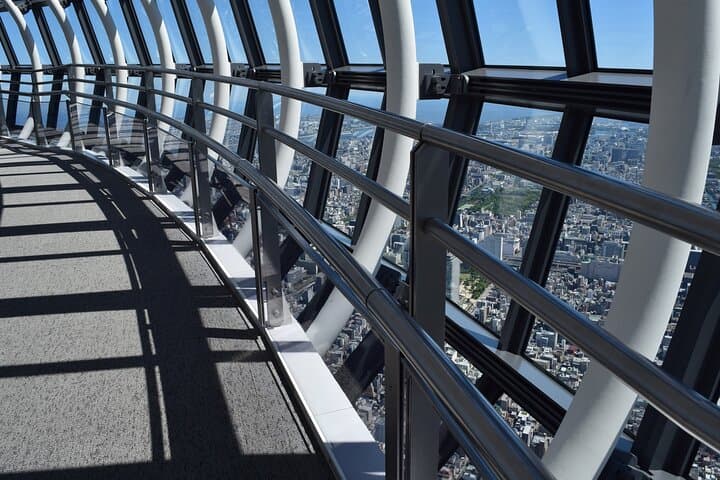
Sensoji dates back to the 7th century and has long been a spiritual and commercial hub on the low alluvial plain of the Sumida River. Asakusa grew into an Edo-period entertainment district; today its streets preserve that energetic character while Tokyo Skytree rises above as a modern landmark, anchored in engineered steel rather than timber. From the Skytree observation deck the city’s flat plain, river channels and distant ranges read like a map of Tokyo’s geology and urban growth.
Practical guidance: plan 3–4 hours for a relaxed walk, with time allocated for sweets, a short bar-alley look, and Skytree admission. Comfortable shoes are non-negotiable—stone and paved surfaces dominate. Bring small-denomination cash for street snacks and souvenirs; many small vendors prefer it. Aim for morning departures to avoid crowds at Sensoji and the busiest deck times at Skytree, or book a late-afternoon slot to catch sunset light.
This tour blends cultural context, cityscape geology, and straightforward logistics—ideal for travelers who want history, flavors and a panoramic finish without the rush.
easy.
3–4 hours.
Suitable for most fitness levels; requires standing and walking on paved and uneven surfaces for a few hours.
Yes — this tour includes the Sky Tree entrance fee for the observation deck as part of the itinerary.
The tour lasts about 3–4 hours and involves moderate walking on paved streets and some short stair sections; it’s rated easy.
Traditional sweets are included as part of the experience, but plan to purchase additional snacks or drinks with cash if desired.
The route is family-friendly, but narrow streets and crowds at Sensoji can make stroller navigation tight; infants must sit on an adult’s lap for any included arrangements.
Sensoji Temple traces its origins to the 7th century and became a major Edo-era cultural and entertainment center; Nakamise has served pilgrims and shoppers for centuries.
High foot traffic stresses narrow streets and temple grounds—follow local signage, avoid littering and use refillable bottles to reduce single-use waste.
gotcha operates guided outdoor trips and adventures with an emphasis on safety, stewardship, and memorable experiences.
The morning light slips between narrow wooden storefronts as a guide leads a small group along cobbled lanes toward Sensoji; the smell of toasted rice crackers and soy lantern smoke follows like a companion. Footsteps fall in time with shrine bells, and the city’s layered past—merchant stalls, postwar rebuilds, modern towers—unfolds as the group moves from Nakamise’s snack stalls to the compact, lively izakaya alleyways of Asakusa.
The morning light slips between narrow wooden storefronts as a guide leads a small group along cobbled lanes toward Sensoji; the smell of toasted rice crackers and soy lantern smoke follows like a companion. Footsteps fall in time with shrine bells, and the city’s layered past—merchant stalls, postwar rebuilds, modern towers—unfolds as the group moves from Nakamise’s snack stalls to the compact, lively izakaya alleyways of Asakusa.
Sensoji dates back to the 7th century and has long been a spiritual and commercial hub on the low alluvial plain of the Sumida River. Asakusa grew into an Edo-period entertainment district; today its streets preserve that energetic character while Tokyo Skytree rises above as a modern landmark, anchored in engineered steel rather than timber. From the Skytree observation deck the city’s flat plain, river channels and distant ranges read like a map of Tokyo’s geology and urban growth.
Practical guidance: plan 3–4 hours for a relaxed walk, with time allocated for sweets, a short bar-alley look, and Skytree admission. Comfortable shoes are non-negotiable—stone and paved surfaces dominate. Bring small-denomination cash for street snacks and souvenirs; many small vendors prefer it. Aim for morning departures to avoid crowds at Sensoji and the busiest deck times at Skytree, or book a late-afternoon slot to catch sunset light.
This tour blends cultural context, cityscape geology, and straightforward logistics—ideal for travelers who want history, flavors and a panoramic finish without the rush.