THE ADVENTURE COLLECTIVE® · Independent discovery and booking for outdoor travel

Walk under Kaminarimon’s red lantern into Asakusa’s busiest lanes and oldest temple grounds. This two‑hour guided tour pairs cultural rituals like temizu and omikuji with local stories and hidden side‑street discoveries.
Walk under Kaminarimon’s red lantern into Asakusa’s busiest lanes and oldest temple grounds. This two‑hour guided tour pairs cultural rituals like temizu and omikuji with local stories and hidden side‑street discoveries.
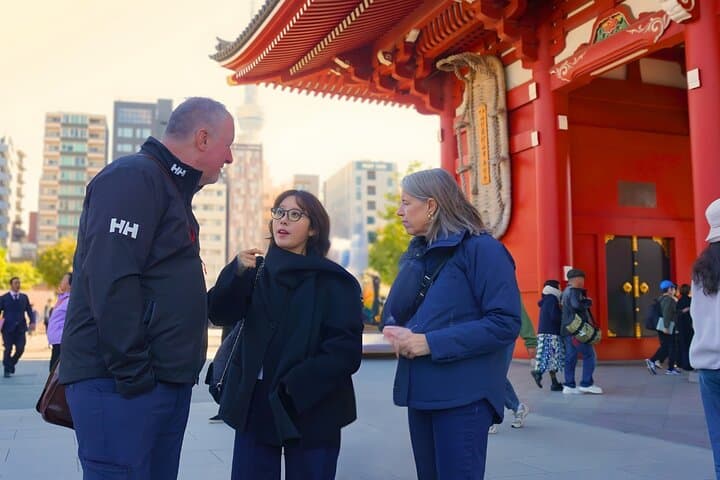
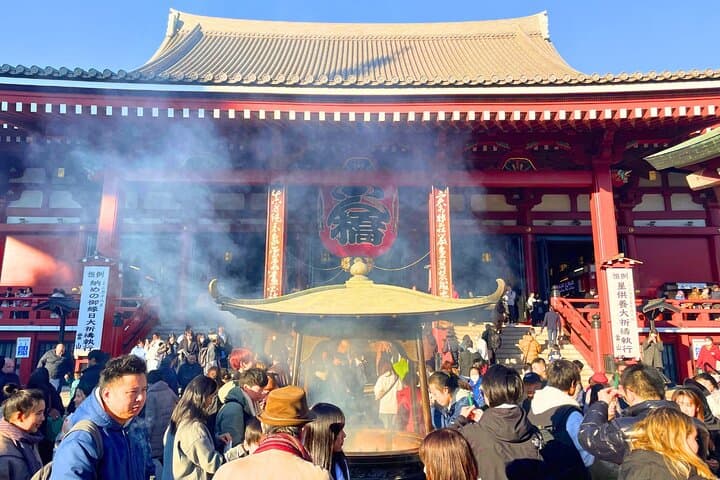
You step beneath the Kaminarimon’s 700‑kg red lantern and the city narrows into a lane of shops, incense smoke threading through the air like a signal to slow down. The Sumida River keeps a quiet presence a few blocks away, its current nudging the neighborhood’s edges and offering skyline views that remind you this is old Tokyo within a modern city.
Verified experiences and guided adventures in the surrounding area.
Operated by Sunrise Adventure · Tokyo, Tokyo
You step beneath the Kaminarimon’s 700‑kg red lantern and the city narrows into a lane of shops, incense smoke threading through the air like a signal to slow down. The Sumida River keeps a quiet presence a few blocks away, its current nudging the neighborhood’s edges and offering skyline views that remind you this is old Tokyo within a modern city.
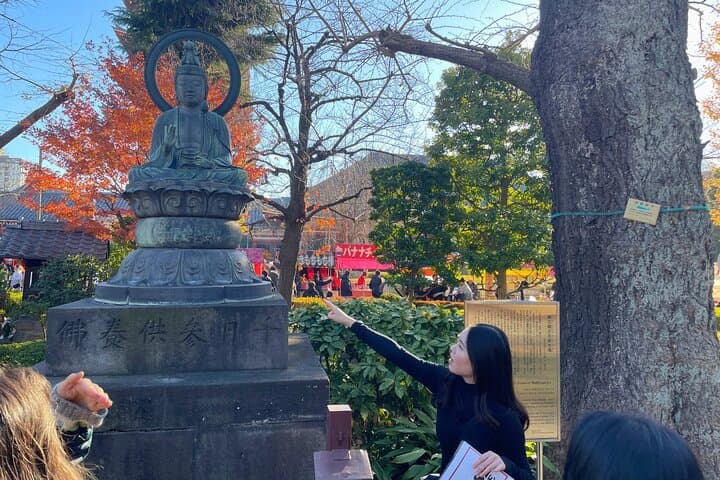
Senso‑ji dates back to the 7th century and remains Tokyo’s oldest Buddhist temple; Asakusa Shrine sits nearby as a center of Shinto rites. The area evolved around river trade and shrines, and the architecture—coarse wooden gates, lacquered eaves, and the stone of Hozomon Gate—reflects repeated rebuilding after fires and war. Your guide will link stories of Kaminarimon, the rhythm of temple rituals like temizu hand‑cleansing, and the playful commerce of Nakamise Street where ningyo‑yaki and senbei meet craft stalls.
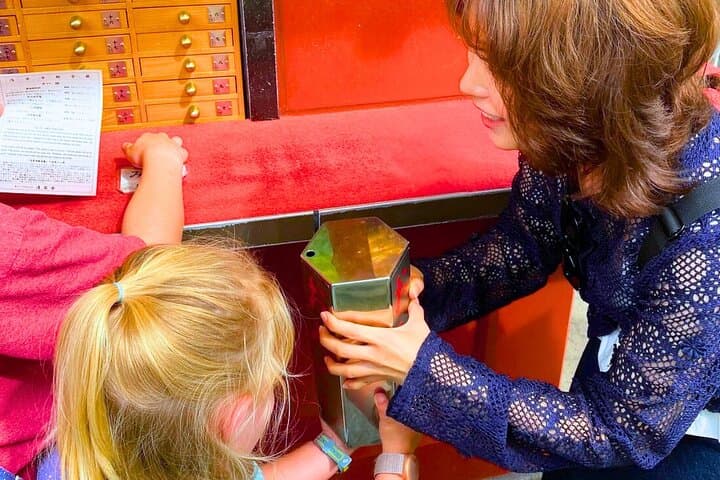
Expect hands‑on moments: washing at the temizu basin, offering a coin, or drawing an omikuji fortune. The small‑group format makes space for questions and detours through side streets where enamel signs and tiny eateries reveal local life.
Practical notes: arrive early to beat crowds and midday heat, carry cash for small purchases, and wear comfortable shoes—the route is paved but busy. Modest dress and a quiet demeanor are appropriate inside temple grounds; photography is common but avoid intrusive shots during prayers. If humidity or rain is forecast, a light packable rain jacket keeps you moving between stops. With sensible pacing and respect for rituals, this two‑hour walk gives a compact, tactile primer on Asakusa’s living history.
easy.
2 hours.
Suitable for most fitness levels; requires standing and moderate walking on paved, sometimes crowded streets.
Most tours meet near the Kaminarimon entrance to Senso‑ji; your confirmation will give an exact landmark—arrive 10 minutes early to check in.
Yes—guides demonstrate proper procedure and you’re welcome to take part; dress modestly and follow the guide’s instructions.
The main paths are paved but can be crowded; some gates have steps—contact the provider ahead for specific accessibility accommodations.
This tour is led by an English‑speaking local guide; ask in advance if you need another language support.
Senso‑ji’s foundation legend involves two fishermen finding a Kannon statue in the Sumida River; the temple complex grew into a commercial and spiritual hub for Edo/Tokyo.
High foot traffic affects delicate temple structures and nearby green spaces—stick to paths, avoid flash photography in worship areas, and support local shops to sustain the neighborhood economy.
Sunrise Adventure operates guided outdoor trips and adventures with an emphasis on safety, stewardship, and memorable experiences.
You step beneath the Kaminarimon’s 700‑kg red lantern and the city narrows into a lane of shops, incense smoke threading through the air like a signal to slow down. The Sumida River keeps a quiet presence a few blocks away, its current nudging the neighborhood’s edges and offering skyline views that remind you this is old Tokyo within a modern city.
You step beneath the Kaminarimon’s 700‑kg red lantern and the city narrows into a lane of shops, incense smoke threading through the air like a signal to slow down. The Sumida River keeps a quiet presence a few blocks away, its current nudging the neighborhood’s edges and offering skyline views that remind you this is old Tokyo within a modern city.
Senso‑ji dates back to the 7th century and remains Tokyo’s oldest Buddhist temple; Asakusa Shrine sits nearby as a center of Shinto rites. The area evolved around river trade and shrines, and the architecture—coarse wooden gates, lacquered eaves, and the stone of Hozomon Gate—reflects repeated rebuilding after fires and war. Your guide will link stories of Kaminarimon, the rhythm of temple rituals like temizu hand‑cleansing, and the playful commerce of Nakamise Street where ningyo‑yaki and senbei meet craft stalls.
Expect hands‑on moments: washing at the temizu basin, offering a coin, or drawing an omikuji fortune. The small‑group format makes space for questions and detours through side streets where enamel signs and tiny eateries reveal local life.
Practical notes: arrive early to beat crowds and midday heat, carry cash for small purchases, and wear comfortable shoes—the route is paved but busy. Modest dress and a quiet demeanor are appropriate inside temple grounds; photography is common but avoid intrusive shots during prayers. If humidity or rain is forecast, a light packable rain jacket keeps you moving between stops. With sensible pacing and respect for rituals, this two‑hour walk gives a compact, tactile primer on Asakusa’s living history.