THE ADVENTURE COLLECTIVE® · Independent discovery and booking for outdoor travel

Walk through Kaminarimon into centuries of street life, ritual and riverside calm on this two‑hour guided tour of Asakusa and Sensō‑ji. Expect flat, accessible paths, market stalls on Nakamise, Sumida River views and intimate backstreets revealing local crafts and food.
Walk through Kaminarimon into centuries of street life, ritual and riverside calm on this two‑hour guided tour of Asakusa and Sensō‑ji. Expect flat, accessible paths, market stalls on Nakamise, Sumida River views and intimate backstreets revealing local crafts and food.
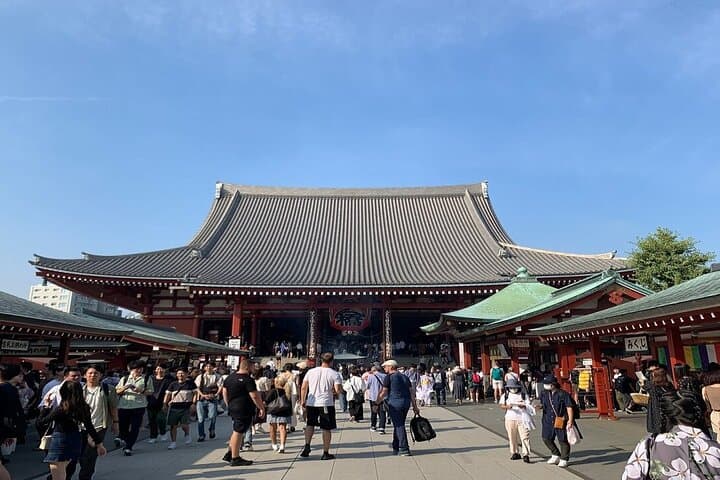
You step through the giant red lantern of Kaminarimon and the city changes tempo: incense curls, street vendors call, and the tiled roofs of Sensō-ji lift above a sea of umbrellas. The walk threads Nakamise’s narrow market stalls, slips down river promenades, and peels into quiet backlanes where storefronts keep century-old trades alive.
Verified experiences and guided adventures in the surrounding area.
Operated by Guydeez · Tokyo, Tokyo
You step through the giant red lantern of Kaminarimon and the city changes tempo: incense curls, street vendors call, and the tiled roofs of Sensō-ji lift above a sea of umbrellas. The walk threads Nakamise’s narrow market stalls, slips down river promenades, and peels into quiet backlanes where storefronts keep century-old trades alive.
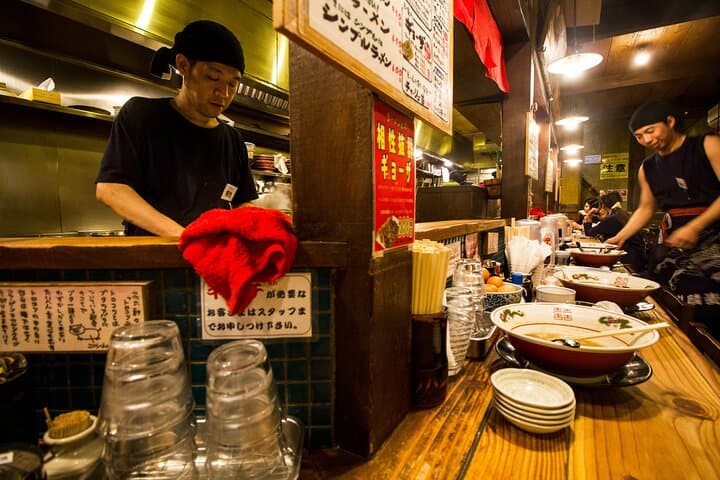
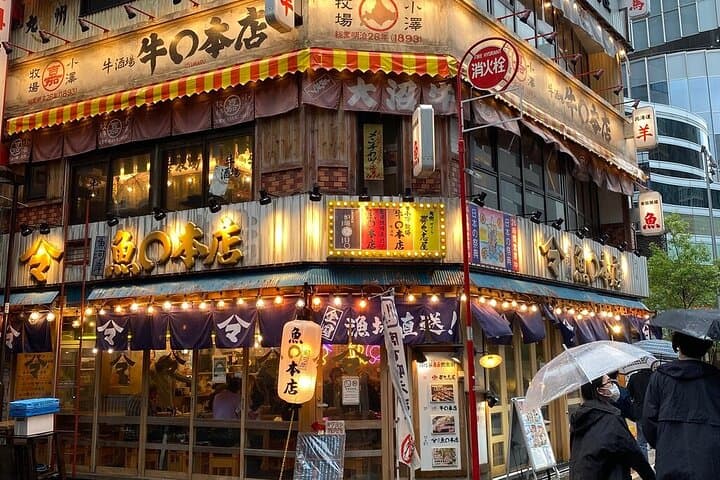
Sensō-ji is Tokyo’s oldest temple, its origins traced to a 7th‑century legend when two brothers found a Kannon statue in the Sumida. The surrounding area sits on the flat alluvial plain of the Kanto region, which explains the broad riverside parks and the modern silhouette of Tokyo Skytree visible across the water. Asakusa balances Edo-period commerce and postwar reinvention: wooden machiya beside neon signs, craftsmen selling festival robes, and local izakaya preserving neighborhood foodways.
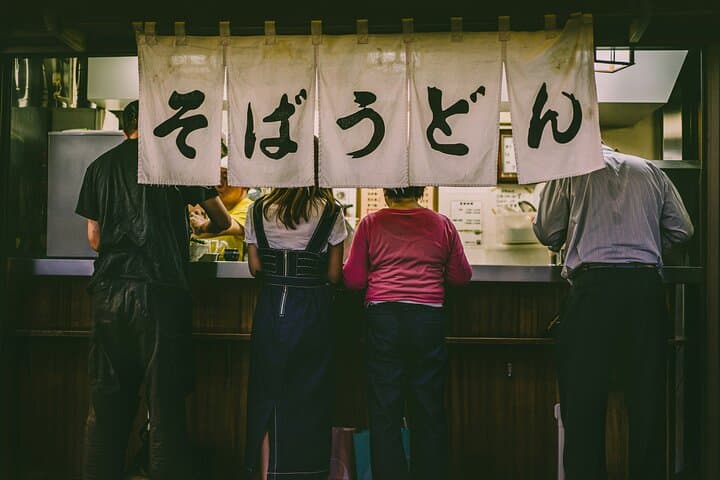
On a guided two‑hour loop you’ll sample ritual at the main hall, learn to read omikuji, stroll Sumida Park (prime for hanami in spring), and discover quieter lanes where pottery shops and street‑side snack stalls tell local stories. Terrain is flat, paved, and wheelchair accessible; expect 2–3 km of walking with minimal elevation.
Practical notes: go early to avoid crowds, carry small bills for Nakamise vendors, and wear comfortable shoes for pavement and occasional cobbles. Summer brings heat and humidity; winters are crisp and clear—both change how you plan breaks and water. With a local guide you’ll move faster through history, skip guesswork, and leave with clear directions for the rest of your Tokyo day.
easy.
2 hours.
Suitable for most visitors who can walk 2–3 km on flat, paved surfaces; minimal stamina required.
Sensō‑ji temple grounds are free to enter; observation decks like Tokyo Skytree require separate paid tickets if you choose to visit.
Yes—paths in the main Asakusa area and Sumida Park are generally wheelchair accessible, and the tour notes indicate accessibility accommodations.
Guides are available in multiple languages including English, Spanish, French and Italian; private tours can be customized per booking.
Spring hanami draws large crowds along Sumida Park; expect denser foot traffic and plan to arrive earlier or schedule later in the afternoon for calmer periods.
Sensō‑ji dates back to the early 7th century after fishermen reportedly recovered a statue of Kannon; Asakusa grew as a mercantile and entertainment quarter in the Edo era.
Respect temple rituals, avoid littering, and patronize local shops to support neighborhood economies; peak-season crowding requires patience and leave-no-trace behavior.
Guydeez operates guided outdoor trips and adventures with an emphasis on safety, stewardship, and memorable experiences.
You step through the giant red lantern of Kaminarimon and the city changes tempo: incense curls, street vendors call, and the tiled roofs of Sensō-ji lift above a sea of umbrellas. The walk threads Nakamise’s narrow market stalls, slips down river promenades, and peels into quiet backlanes where storefronts keep century-old trades alive.
You step through the giant red lantern of Kaminarimon and the city changes tempo: incense curls, street vendors call, and the tiled roofs of Sensō-ji lift above a sea of umbrellas. The walk threads Nakamise’s narrow market stalls, slips down river promenades, and peels into quiet backlanes where storefronts keep century-old trades alive.
Sensō-ji is Tokyo’s oldest temple, its origins traced to a 7th‑century legend when two brothers found a Kannon statue in the Sumida. The surrounding area sits on the flat alluvial plain of the Kanto region, which explains the broad riverside parks and the modern silhouette of Tokyo Skytree visible across the water. Asakusa balances Edo-period commerce and postwar reinvention: wooden machiya beside neon signs, craftsmen selling festival robes, and local izakaya preserving neighborhood foodways.
On a guided two‑hour loop you’ll sample ritual at the main hall, learn to read omikuji, stroll Sumida Park (prime for hanami in spring), and discover quieter lanes where pottery shops and street‑side snack stalls tell local stories. Terrain is flat, paved, and wheelchair accessible; expect 2–3 km of walking with minimal elevation.
Practical notes: go early to avoid crowds, carry small bills for Nakamise vendors, and wear comfortable shoes for pavement and occasional cobbles. Summer brings heat and humidity; winters are crisp and clear—both change how you plan breaks and water. With a local guide you’ll move faster through history, skip guesswork, and leave with clear directions for the rest of your Tokyo day.