THE ADVENTURE COLLECTIVE® · Independent discovery and booking for outdoor travel

A private, 6-hour guided walk through Asakusa with a 30-minute traditional rickshaw ride. Explore Senso-ji, local markets and riverfront alleys with a licensed English-speaking guide who tailors the route to your interests.
A private, 6-hour guided walk through Asakusa with a 30-minute traditional rickshaw ride. Explore Senso-ji, local markets and riverfront alleys with a licensed English-speaking guide who tailors the route to your interests.
You step off the metro into Asakusa's narrow streets and the air shifts: incense smoke drifts from Senso-ji, paper lanterns bob above Nakamise-dori and the city's noise folds into market chatter. A licensed guide sets the pace; the rickshaw driver waits like a patient storyteller, ready to pull you through lanes where old Tokyo still lingers.
Verified experiences and guided adventures in the surrounding area.
Operated by Japan Guide Agency · Tokyo, Tokyo
You step off the metro into Asakusa's narrow streets and the air shifts: incense smoke drifts from Senso-ji, paper lanterns bob above Nakamise-dori and the city's noise folds into market chatter. A licensed guide sets the pace; the rickshaw driver waits like a patient storyteller, ready to pull you through lanes where old Tokyo still lingers.
Asakusa sits on river-formed alluvium along the Sumida, its flat terrain shaped by centuries of waterways and reclamation. Senso-ji, founded in the 7th century, anchors the neighborhood; nearby Edo-period gardens and Meiji-era shrines mark shifts in Tokyo's urban story. Rickshaws—introduced in the late 19th century—offer a literal and cultural ride through that transition, pairing mechanized nostalgia with modern city life.
The tour typically includes two to three stops of your choice: temple grounds, a shrine, a historic market or a quiet garden. Expect short walks on paved streets, frequent photo stops and a thirty-minute rickshaw segment within Asakusa. The guide can tailor the route to quieter alleys for food tastings or to the riverfront for skyline views.
Practical guidance: wear comfortable walking shoes and carry a light pack for purchases and water; Asakusa is compact but busy, especially mid-morning and late afternoon. Bring small bills for street vendors and respect temple etiquette—bow, remove sunglasses and keep voices low. Infants who can't support their own heads and pregnant travelers should avoid rickshaw rides. With a private guide, the experience balances efficient navigation and space to absorb Tokyo’s living history.
easy.
5–6 hours.
Light walking fitness; able to stand and walk on flat urban surfaces for several hours.
The rickshaw ride lasts approximately 30 minutes and operates within the Asakusa neighborhood on paved routes.
Yes—the private guide will customize the tour to include two to three sites from the suggested list based on your interests.
Many Asakusa streets and the listed sites are accessible, and the tour notes wheelchair/stroller accessibility—confirm at booking for specific needs.
Yes; the tour includes a licensed local English-speaking guide who manages navigation, commentary and timing.
Asakusa evolved from Edo-era entertainment and merchant districts; Senso-ji dates to the 7th century and the rickshaw was introduced to Japan in the late 1800s, reflecting rapid modernization.
Respect shrine grounds by staying on paths and disposing of litter; high foot traffic has prompted local measures to protect historic structures and garden plantings.
Japan Guide Agency operates guided outdoor trips and adventures with an emphasis on safety, stewardship, and memorable experiences.
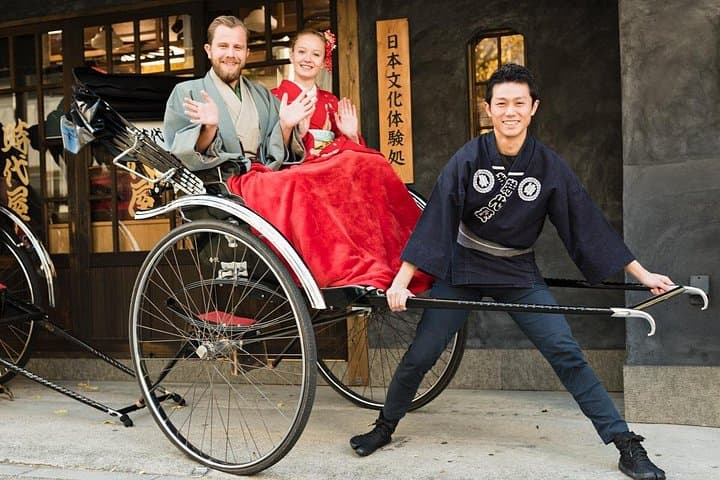
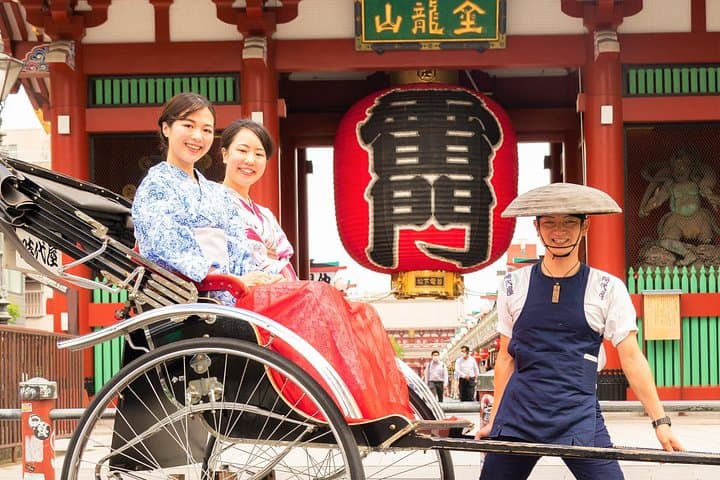
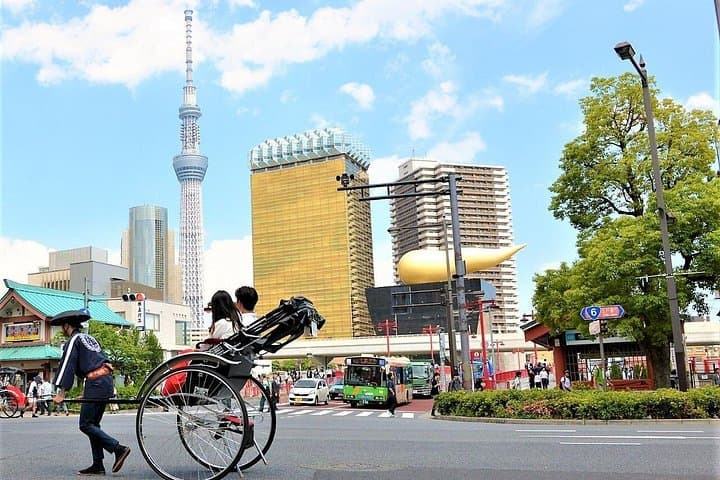
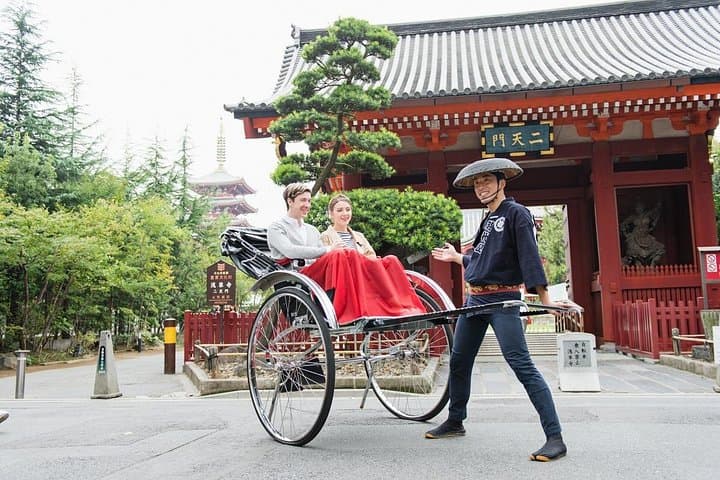
You step off the metro into Asakusa's narrow streets and the air shifts: incense smoke drifts from Senso-ji, paper lanterns bob above Nakamise-dori and the city's noise folds into market chatter. A licensed guide sets the pace; the rickshaw driver waits like a patient storyteller, ready to pull you through lanes where old Tokyo still lingers.
You step off the metro into Asakusa's narrow streets and the air shifts: incense smoke drifts from Senso-ji, paper lanterns bob above Nakamise-dori and the city's noise folds into market chatter. A licensed guide sets the pace; the rickshaw driver waits like a patient storyteller, ready to pull you through lanes where old Tokyo still lingers.
Asakusa sits on river-formed alluvium along the Sumida, its flat terrain shaped by centuries of waterways and reclamation. Senso-ji, founded in the 7th century, anchors the neighborhood; nearby Edo-period gardens and Meiji-era shrines mark shifts in Tokyo's urban story. Rickshaws—introduced in the late 19th century—offer a literal and cultural ride through that transition, pairing mechanized nostalgia with modern city life.
The tour typically includes two to three stops of your choice: temple grounds, a shrine, a historic market or a quiet garden. Expect short walks on paved streets, frequent photo stops and a thirty-minute rickshaw segment within Asakusa. The guide can tailor the route to quieter alleys for food tastings or to the riverfront for skyline views.
Practical guidance: wear comfortable walking shoes and carry a light pack for purchases and water; Asakusa is compact but busy, especially mid-morning and late afternoon. Bring small bills for street vendors and respect temple etiquette—bow, remove sunglasses and keep voices low. Infants who can't support their own heads and pregnant travelers should avoid rickshaw rides. With a private guide, the experience balances efficient navigation and space to absorb Tokyo’s living history.