THE ADVENTURE COLLECTIVE® · Independent discovery and booking for outdoor travel

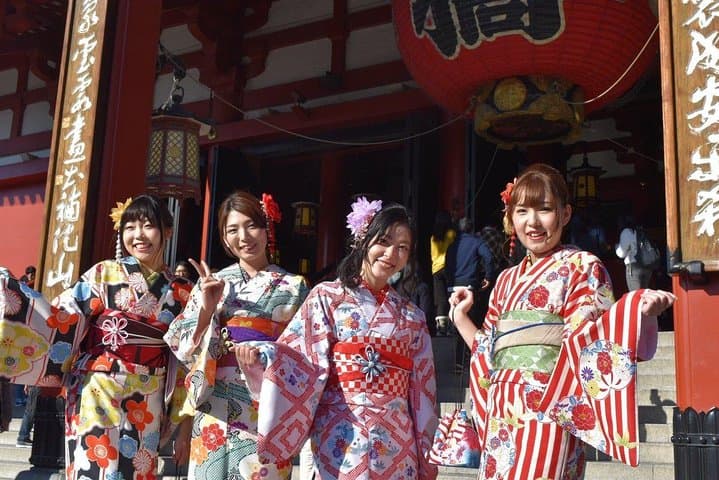
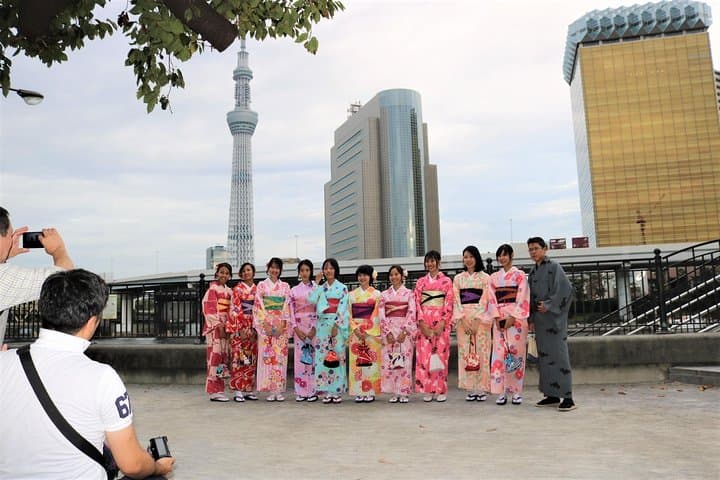
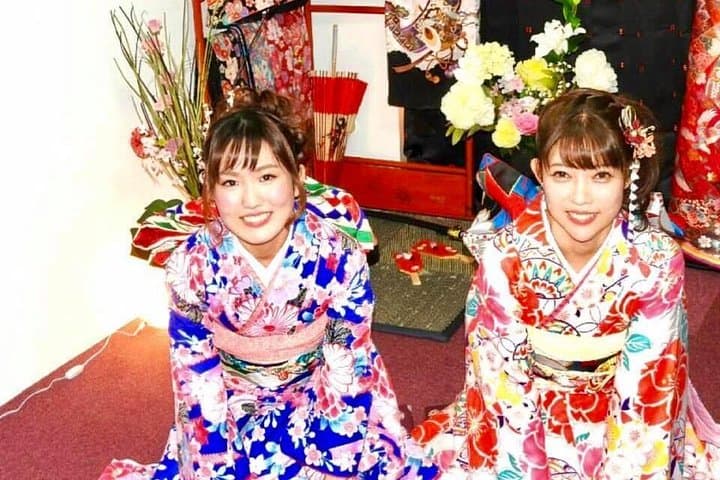
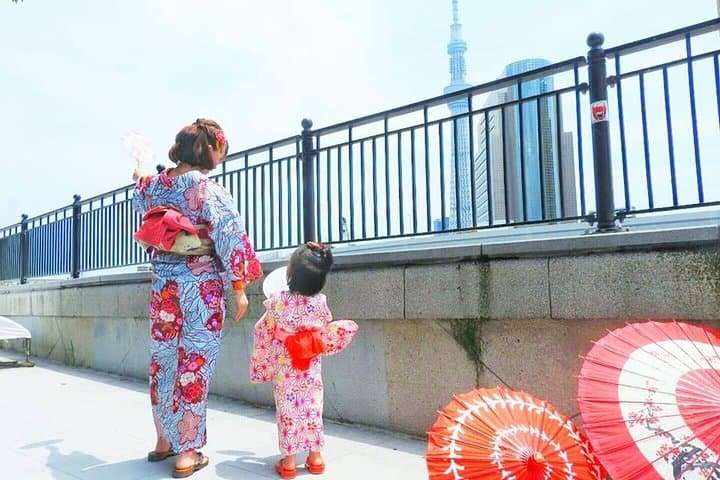
Wear a kimono, climb into a polished rickshaw and glide past Kaminarimon and Sensoji Temple on a curated Asakusa stroll. This full-service rental includes dressing, hair, and a short guided ride—perfect for photos and a measured taste of traditional Tokyo.
Wear a kimono, climb into a polished rickshaw and glide past Kaminarimon and Sensoji Temple on a curated Asakusa stroll. This full-service rental includes dressing, hair, and a short guided ride—perfect for photos and a measured taste of traditional Tokyo.
You step out of a quiet side street, silk folding against your shoulders, and the Kaminarimon lantern looms overhead—red paint flaking like pages of a long story. A polished wooden rickshaw waits; the driver tips his hat and the city folds into a slower rhythm as the wheels click toward Sensoji’s approach.
Verified experiences and guided adventures in the surrounding area.
Operated by 浅草着物レンタル華雅 · Tokyo, Tokyo
You step out of a quiet side street, silk folding against your shoulders, and the Kaminarimon lantern looms overhead—red paint flaking like pages of a long story. A polished wooden rickshaw waits; the driver tips his hat and the city folds into a slower rhythm as the wheels click toward Sensoji’s approach.
Asakusa is one of Tokyo’s oldest entertainment districts. Sensoji Temple dates back to the 7th century, and the neighborhood’s low-rise street pattern preserves the feel of Edo urban life. Rickshaws arrived in the late 19th century and became a compact symbol of modern travel; today they offer a curated, photo-ready slice of traditional Tokyo. The kimono rental here is a full service: dressing, hair styling, and a choice between seasonal kimono or summer yukata.
The experience balances showmanship and practicality. Plan 30–45 minutes for dressing, a brief rickshaw loop of roughly 10–15 minutes, and free time to explore Nakamise-dori and the temple grounds. Expect cobbled sidewalks, narrow alleys lined with craft shops and food stalls, and crowds near weekend peak times. Drivers often double as local guides—ask for photo stops, and they’ll suggest quieter lanes around Sumida River.
Bring comfortable, easy-to-remove shoes, a small daypack, and cash for shrine offerings and snacks. If you get cold in the evening, layer a thin jacket over kimono fabric. Respect the fit: larger sizes require an on-site upgrade fee. The outing is low-impact but sensory—bright lanterns, incense drifting, and the steady pull of the rickshaw urging you through Asakusa’s living past.
easy.
6 hours.
Light activity: able to stand and walk short distances; suitable for most fitness levels
Yes—dressing, basic hair styling, and kimono (or yukata in summer) are included; larger sizes may require an additional on-site fee.
Infants and small children can ride, but infants must sit on an adult’s lap; confirm any weight or safety limits with the operator on booking.
The typical ride is about 10–15 minutes; drivers will coordinate exact stops with you and often include a commemorative photo opportunity.
This activity is low-impact but not recommended for people with serious back, heart conditions, or for pregnant travelers—check the operator’s restrictions before booking.
Asakusa grew into a cultural hub during the Edo period; Sensoji has been a focal point for pilgrims and festivals for centuries.
Stick to marked paths and avoid stepping on shrine thresholds; local shops and temples emphasize waste sorting and quiet conservation of historic structures.
浅草着物レンタル華雅 operates guided outdoor trips and adventures with an emphasis on safety, stewardship, and memorable experiences.
You step out of a quiet side street, silk folding against your shoulders, and the Kaminarimon lantern looms overhead—red paint flaking like pages of a long story. A polished wooden rickshaw waits; the driver tips his hat and the city folds into a slower rhythm as the wheels click toward Sensoji’s approach.
You step out of a quiet side street, silk folding against your shoulders, and the Kaminarimon lantern looms overhead—red paint flaking like pages of a long story. A polished wooden rickshaw waits; the driver tips his hat and the city folds into a slower rhythm as the wheels click toward Sensoji’s approach.
Asakusa is one of Tokyo’s oldest entertainment districts. Sensoji Temple dates back to the 7th century, and the neighborhood’s low-rise street pattern preserves the feel of Edo urban life. Rickshaws arrived in the late 19th century and became a compact symbol of modern travel; today they offer a curated, photo-ready slice of traditional Tokyo. The kimono rental here is a full service: dressing, hair styling, and a choice between seasonal kimono or summer yukata.
The experience balances showmanship and practicality. Plan 30–45 minutes for dressing, a brief rickshaw loop of roughly 10–15 minutes, and free time to explore Nakamise-dori and the temple grounds. Expect cobbled sidewalks, narrow alleys lined with craft shops and food stalls, and crowds near weekend peak times. Drivers often double as local guides—ask for photo stops, and they’ll suggest quieter lanes around Sumida River.
Bring comfortable, easy-to-remove shoes, a small daypack, and cash for shrine offerings and snacks. If you get cold in the evening, layer a thin jacket over kimono fabric. Respect the fit: larger sizes require an on-site upgrade fee. The outing is low-impact but sensory—bright lanterns, incense drifting, and the steady pull of the rickshaw urging you through Asakusa’s living past.